Gisèle Pelicot’s daughter launches awareness campaign for potential victims of drugging and sexual assault
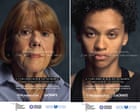
Gisèle Pelicot is the figurehead of a new campaign run by her daughter to encourage people who suspect they have been drugged and sexually assaulted to come forward, even if they have little to no memory of the attack.
Caroline Darian, 47, who believes she was also drugged and assaulted by her father, Dominique Pelicot – her mother’s ex-husband – launched a primetime public information push on Monday across France’s television network, on social media, in the press and on posters.
Her 73-year-old mother became an international symbol of courage and resistance when she insisted shame must change sides during the trial of her former husband and dozens of men who raped her while she was unconscious.
Video clips featuring Gisèle Pelicot state that in 75% of cases of sexual abuse while drugged, the perpetrator is a relative or friend. She urges those who believe they may be victims to contact the Centre of Excellence on Substance-Facilitated Assaults (CRAFS).
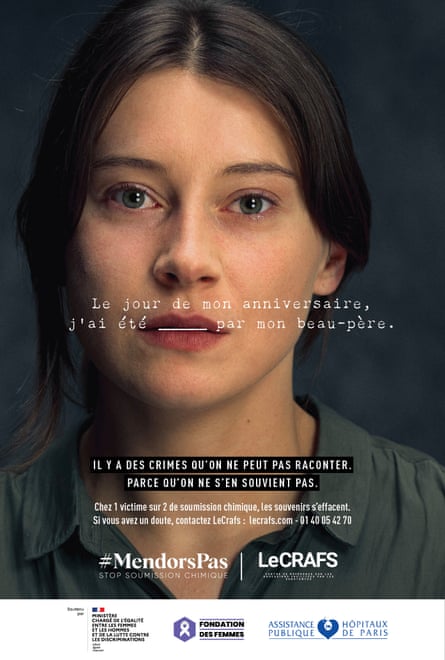
The centre is attached to the Paris university hospital service (AP-HP) and staffed by experts who can suggest to those who believe they may have been a victim of drugging and abuse what evidence there might be and how it can be obtained.
Darian, the founder of the association Mendorspas (Don’t Put Me to Sleep), said: “When you launch a campaign of this scale, having my mother’s backing sends a really powerful message. It’s also a message of hope for victims, showing that it is possible to get back on your feet.”
The trial of Dominique Pelicot two years ago shocked the world. For almost a decade he had drugged his wife, raped her and invited strangers into their home in the village of Mazan, 20 miles from Avignon, to rape her while she was in a state of near coma.
Pelicot’s horrific ordeal might have gone unremarked had she not decided to waive her anonymity and insist the case be held in public. Dominique Pelicot and 50 other men were convicted.
The trial sparked the reporting of other cases of what UK police call drug-facilitated sexual abuse, or DFSA. Earlier this month, a man in his 60s pleaded guilty to drugging and raping his wife over two decades and inviting strangers to abuse her, in the latest in a string of similar crimes.
After the publication of her book A Hymn to Life: Shame Has to Change Sides earlier this year, Pelicot said: “Shame sticks to you, it sticks to your skin. And that shame is a double sentence, it’s a suffering you inflict on yourself.”
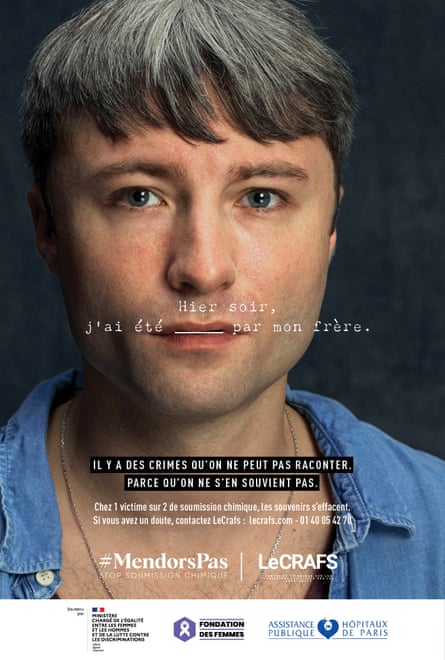
Darian told Le Parisien: “It’s not because someone doesn’t remember that there aren’t traces or tests possible. Our aim is that these women can take back their own stories, so they no longer feel ashamed or afraid of not being heard by the police, not believed by the legal system and not supported by their family or those close to them.”
She added: “Launching a campaign on this scale is quite unprecedented for an issue that was not recognised at all as a public health concern as recently as five years ago. When I started campaigning, nobody had heard of it [chemical submission] apart from a small circle of doctors. The Mazan trial was a major turning point with a global reach.
“We’re getting somewhere but the fight is far from over. The message we want to send is that if you have a doubt, you need to look into it. Just because you cannot remember something, doesn’t mean there are no traces of it.”
-
Information and support for anyone affected by rape or sexual abuse issues is available from the following organisations. In the UK, Rape Crisis offers support on 0808 500 2222 in England and Wales, 0808 801 0302 in Scotland, or 0800 0246 991 in Northern Ireland. In the US, Rainn offers support on 800-656-4673. In Australia, support is available at 1800Respect (1800 737 732). Other international helplines can be found at ibiblio.org/rcip/internl.html
KioskNews shows a cleaned-up reading view extracted from the publisher’s page — the original always lives on their site, not ours.