Why Hong Kong should rethink premiums for private recreation clubs
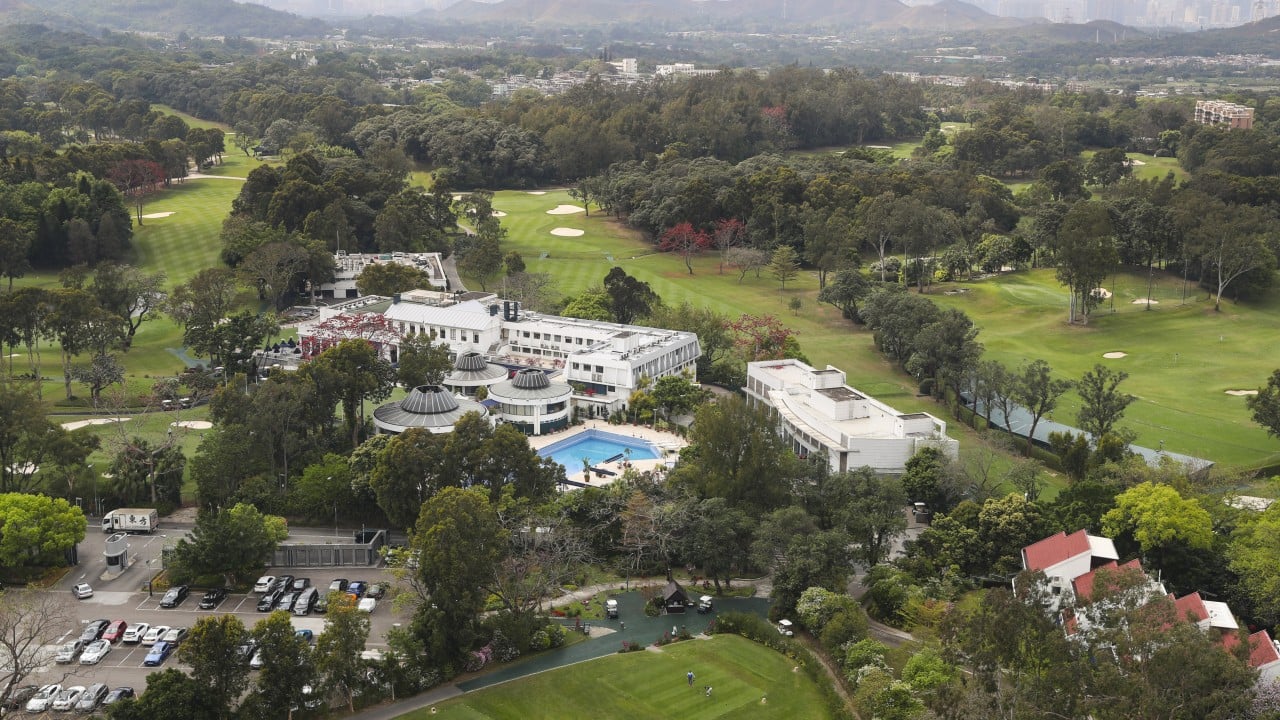
Private recreation leases have a long and contentious history in Hong Kong. Complaints about the inequity of granting land leases to private clubs at a nominal premium for the exclusive enjoyment of a small number of members have been raised many times. This issue is increasingly pressing. Twenty-seven sites are involved and almost all the leases for these sites are set for renewal next year.
In response to this perceived inequality, the government reviewed its policy for clubs with private recreation leases in 2018. The public consultation found general support for the clubs, citing their contributions to sports development and promotion, ethnic harmony, attracting foreign talent, encouraging economic development and more. The review ultimately agreed and recommended retaining the clubs.
National sports associations (NSAs) said during the consultation that they were frequent users of sports clubs’ facilities for squad training, league competitions and major international events. They also said club facilities helped bridge the gap between public facilities provided by the Leisure and Cultural Services Department and the top training facilities of the Hong Kong Sports Institute.
A reform policy based on opening up clubs to use by non-members was eventually accepted as the way forward. Changes required the clubs to provide greater public access to their facilities.
A minimum of 30 per cent of sports facility capacity must be allocated for use by eligible outside bodies such as schools. Clubs must also partner with NSAs to organise sports programmes with a minimum of 240 programme hours per month being for individual members of the public.
Several sports clubs in the city have existed for more than a hundred years, and part of their legacy is the development of a sports culture in Hong Kong society. Many players, coaches and administrators have learned through sports promoted by these clubs.
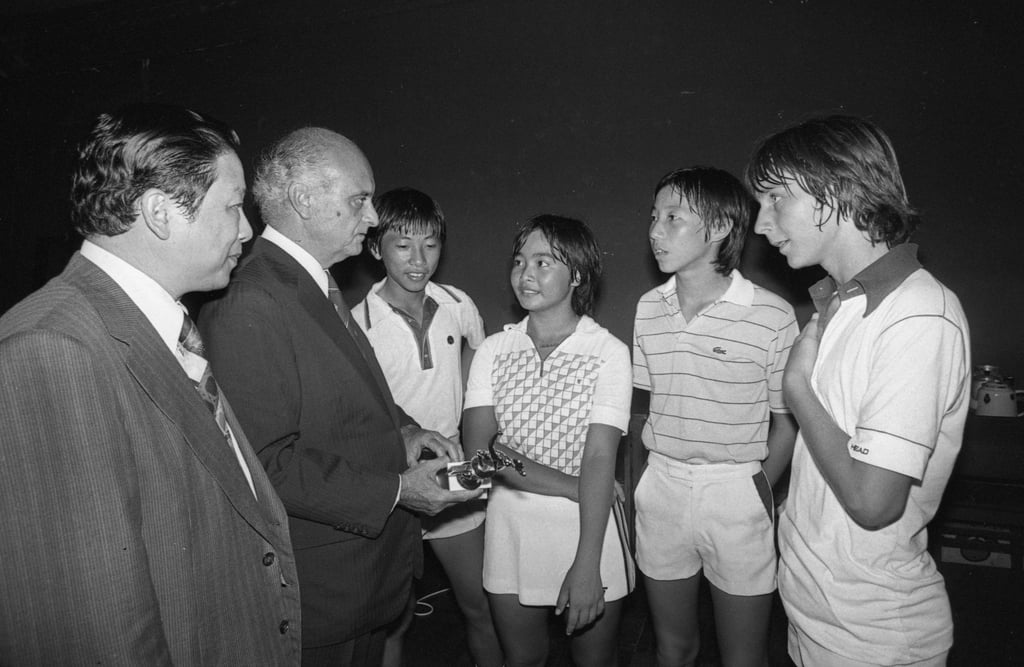
The problem is that the private recreation lease conditions are restrictive. Only not-for-profit organisations can hold a lease, and sale of the site is prohibited. All income generated must be used for developing and operating their sports activities and facilities, and sites can only be used for specified sports and recreational purposes. The only significant income for clubs is generated from the use of facilities, members’ monthly fees and joining fees. Also limiting is the short lease renewal term of 15 years.
Such leases have long been extended on payment of a nominal premium of about HK$1,000 (US$127). However, private land holders have paid a commercial premium based on the full market value of the site for leases covering residential, commercial or industrial use. The new policy, in an attempt to be more equitable, requires private recreation lease lots to pay a concessionary premium of one-third of the site’s full market value.
A fundamental technical problem is that the constraints imposed in the lease mean there is no commercial value for a private recreation lease. The requirement to open facilities to non-members while being unable to generate a profit further constrains the value of the lot. In professional valuation terms, it is doubtful there will be a positive full market value, so a one-third premium cannot be calculated.
The 2018 review provided a rough estimate of premiums. A site with a private recreation lease of about 1 to 2 hectares could have to pay between HK$100 million and HK$200 million for each renewal. In the public consultation, 91 per cent of respondents did not support the premium proposal, saying it would drive up membership fees and make private sports clubs even more exclusive. It appears that the government will charge the premium despite these problems.
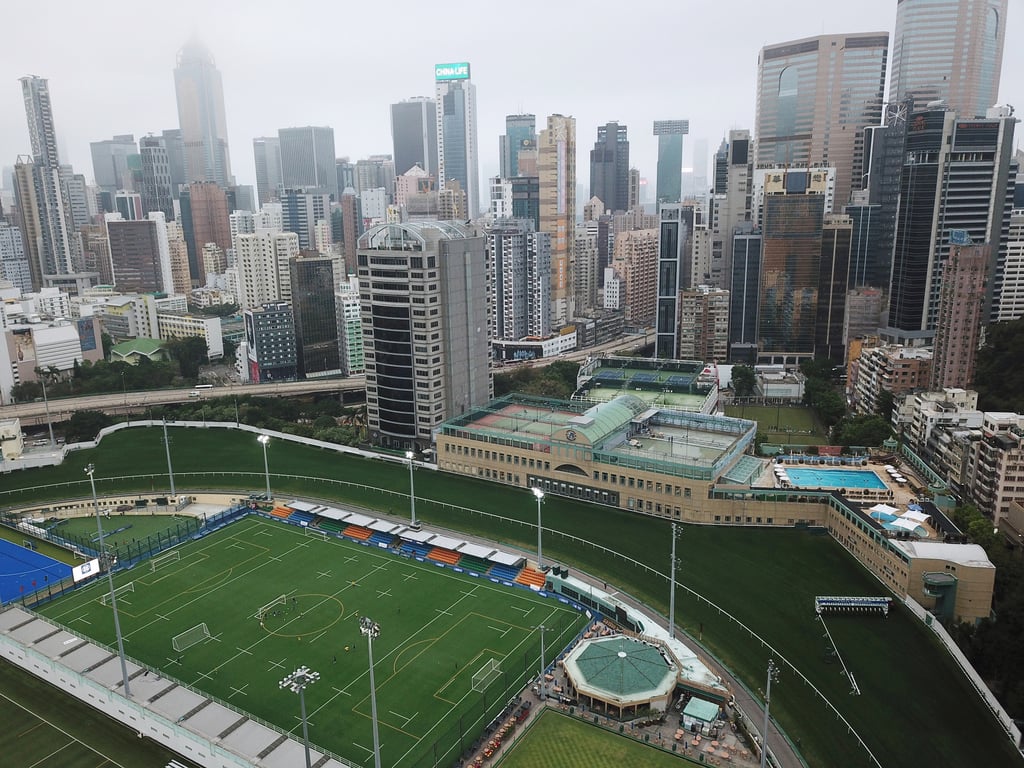
However, there is a major change which must be considered. In July 2024, the Extension of Government Leases Ordinance came into effect. All existing general-purpose leases will now be automatically extended for 50 years with no additional premium payment. About 2,400 lots which expire up to June 29, 2047, involving from around 150 to 12,500 owners in any particular year, will not pay a premium. On June 30 of that year, leases of around 300,000 lots will all expire, involving more than 1.5 million owners. All will be extended for 50 years without paying a premium.
The implications are massive. A fundamental point made in the 2018 consultation was a developer would be granted a land lease of 50 years upon paying a premium at full market value. Under the proposed concessionary premium policy, with a private sports club renewing its lease every 15 years, the total premium paid would amount to 111 per cent of full market value over 50 years.
Now, only the 27 sites with private recreation leases will pay a premium and deal with 15-year extensions loaded with conditions. All other leases are being extended for 50 years without a premium. An equitable situation under the new lease extension regime requires private recreation lease lots be treated the same as general-purpose lots and extended for 50 years without paying a premium.
The administration should review the need for a premium and at least extend the term for these leases to the same as for community organisations. To be equitable, clubs with private recreation leases should be offered an extension without the payment of a premium.
KioskNews shows a cleaned-up reading view extracted from the publisher’s page — the original always lives on their site, not ours.