Trump's Canada tariffs may be Democrats' first legislative target after midterm success - report
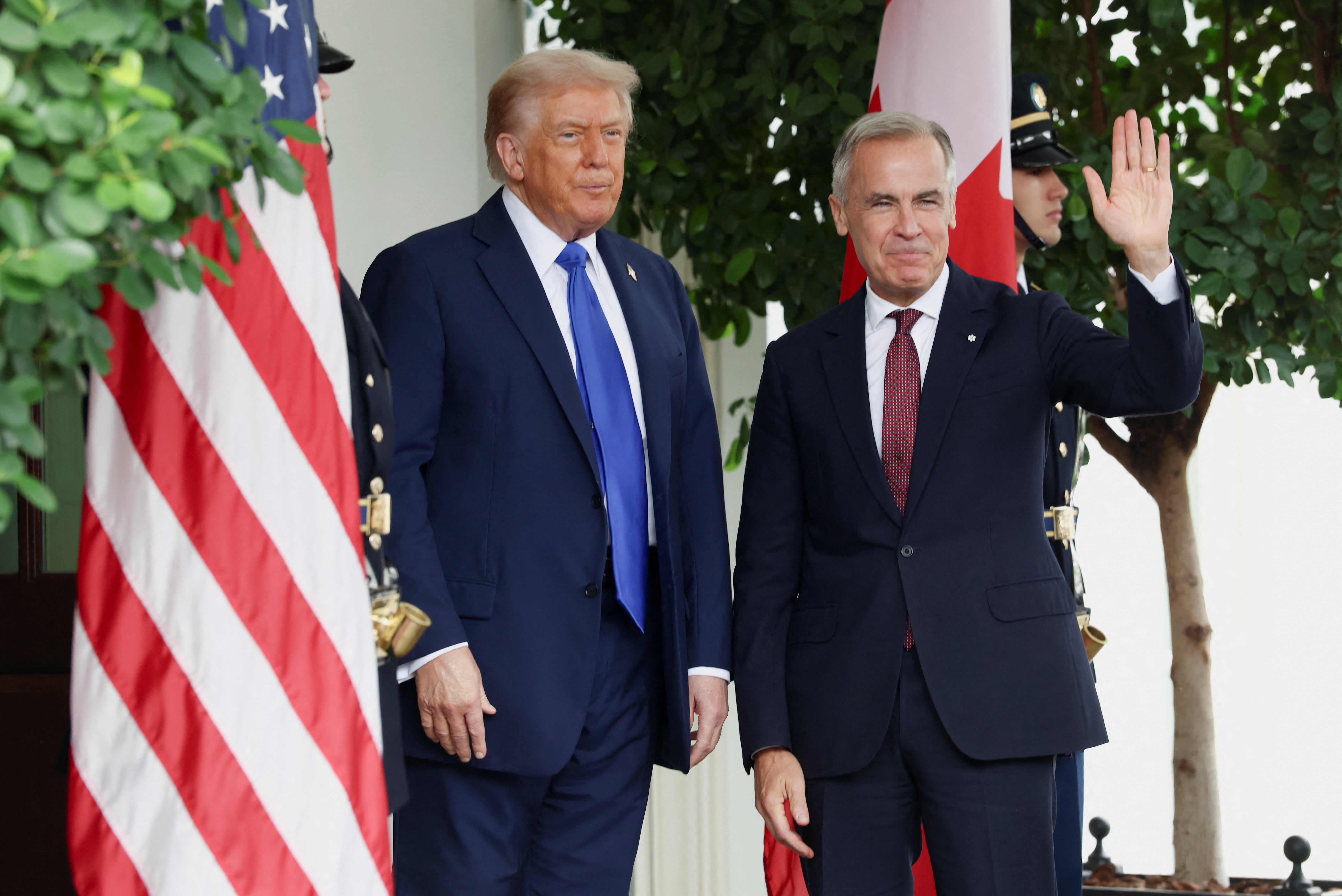
Oregon’s Senator Ron Wyden stated that there is “overwhelming support” for the repeal of the tariffs and that he had already begun discussing legislative strategy with his Democratic colleagues.
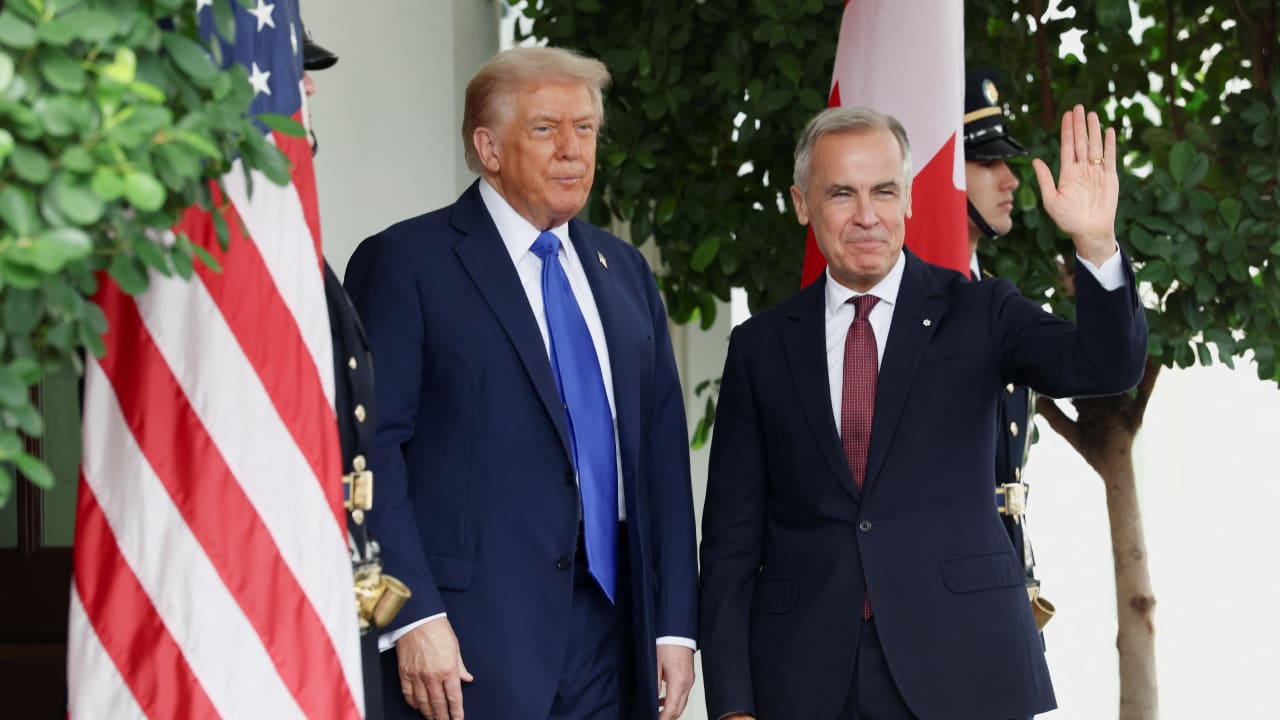
Having won control of both the Senate and the House of Representatives in the US’s Tuesday midterm elections, the Democrats’ first legislative target may be US President Donald Trump’s tariffs on trade with Canada, according to a Wall Street Journal report on Thursday.
Trump imposed the 50% tariffs on the import of some goods from Canada in August after trade talks with Canadian Prime Minister Mark Carney failed to soothe tensions between the neighboring countries.
The newly-won Democratic majority in Congress will not be sworn in until January 2027, but some already elected Democrats have told the WSJ that behind-the-scenes discussions about rolling back the tariffs have already begun.
Democrats show 'overwhelming support' for repeal of tariffs
Oregon’s Senator Ron Wyden stated that there is “overwhelming support” for the repeal of tariffs and that he had already begun discussing legislative strategy with his Democratic colleagues. Wyden, the Ranking Member on the Senate Finance Committee, is set to gain control of the committee in January.
The tariffs were a central campaign issue for many Democratic candidates who ended up winning their races, especially for those in border states such as Maine, Michigan, and Alaska.
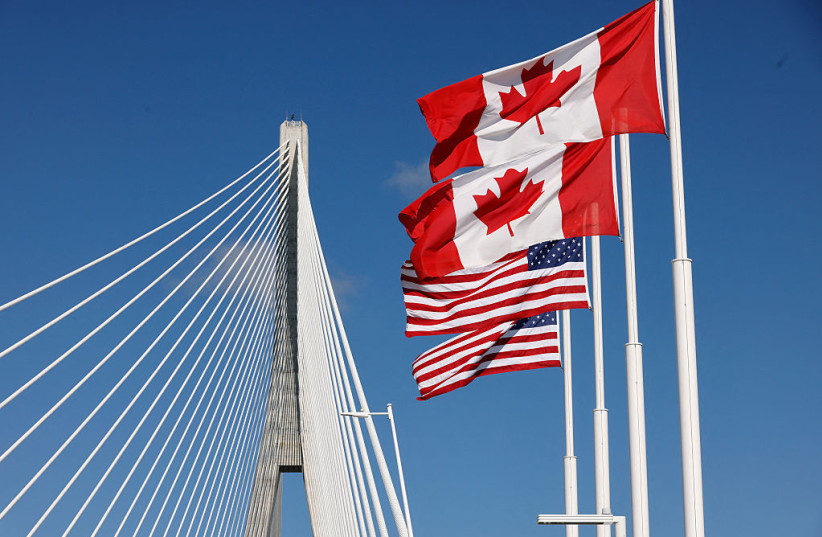
Even with a majority in Congress, Democrats may need Republican support to push back on the trade issues. Wyden told the WSJ, however, that the Canada tariffs are unpopular among some Republicans as well, providing an opportunity to potentially flip members of Trump’s party and build enough support to avert or override a possible presidential veto on anti-tariff measures.
Legislation on the Canada tariffs may be the first task in a series of actions against Trump’s trade measures, according to the report.
Capitol Hill sources told the WSJ that additional actions could consist of fighting back against presidential authorities that Trump used to order the Canada tariffs and previous temporary tariffs, including Section 338 of the Tariff Act of 1930 or Section 122 of the Trade Act of 1974.
Democrats may struggle to challenge presidential authority on tariffs
Those close to Trump expressed doubt that the Democrats will be able to force the changes they aim for, as the power to impose tariffs is still largely under the president’s authority and Trump may not bend to the pressure.
Across previous administrations, Congress surrendered constitutional authority over trade, giving the executive branch more authority to order economic measures if the president deems that other countries are discriminating against US companies or pose a threat to national security.
Although Democrats have demonstrated a strong will to combat Trump’s trade policies, individuals close to Congress told the WSJ that lawmakers’ ability to challenge presidential authority may be limited while Trump remains in office.
KioskNews shows a cleaned-up reading view extracted from the publisher’s page — the original always lives on their site, not ours.