A disastrous Iran war? The US is now a mover and shaker of oil markets
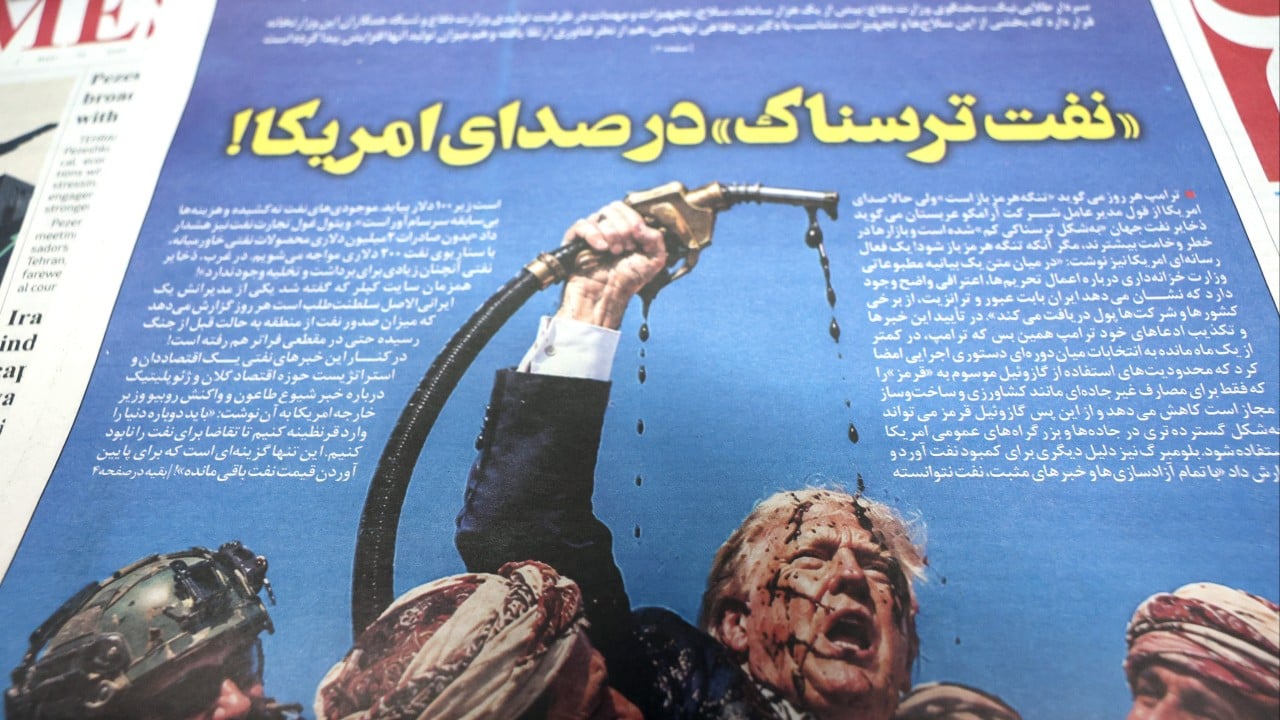
Many see the US war on Iran as a colossal geopolitical bungle, failing to secure its larger strategic objectives. Yet it has allowed the blundering Trump administration to move into an immensely powerful position – one it seems ready to embrace.
With its new-found sway over Venezuela’s oil reserves, degradation of Iranian exports and selective sanctions on Russian oil, Washington has unexpectedly acquired several important levers of the global petroleum trade.
Iran has worked hard to play spoiler in the Middle East. Its strategy of lashing out at its neighbours has sparked mayhem, roiled global energy markets and proven disastrous for America’s international standing. Yet every Iranian strike on oil depots, gas fields and tankers also strengthens the position of American energy producers.
History doesn’t quite repeat here. This is more of a Trump-era riff, shaded with dumb-luck opportunism.
The Organisation of Petroleum Exporting Countries (Opec) acquired its formidable influence through combined market power. Cartel producers can turn their massive collective spigot on or off, as they did notoriously during 1973 embargo. America’s emerging role works differently.
US President Donald Trump cannot simply command other nations to produce more or less oil. But America’s Gulf-based naval forces, air power, sanctions and diplomatic leverage give Washington considerable influence over who can sell petroleum, how much reaches international markets and at what cost.
01:26
US blockade on Hormuz Strait to take effect on July 14 after UAE tankers hit
Washington can exert pressure on Israel to restrain attacks on Iranian energy infrastructure, for example, while threatening Tehran with devastating strikes. Conversely, the Pentagon can escalate its attacks and disrupt Iran’s capacity to export. Such decisions have consequences for global oil prices.
Meanwhile, the administration’s erratic gestures towards peace can temporarily calm markets and allow Gulf producers to resume shipments. Even the prospect of an agreement can move prices. Washington’s ability to alternate between threats, negotiations and military action has become an instrument of energy geopolitics.
Indeed, it may matter little who controls the Strait of Hormuz: whether Tehran can choke off tanker traffic or Washington imposes a blockade, sheer risk keeps commercial vessels away.
There is also a longer-term calculus at work. By allowing the confrontation to drag on, Washington may well be contributing to the lasting degradation of Iran’s ability to exploit its hydrocarbon patrimony. Damaged wells, neglected infrastructure and prolonged production interruptions can leave some oil and gas resources permanently unrecoverable.
Economically, this would weaken a dogged competitor in the energy market. Politically, it would diminish a vital source of Iran’s revenue and geopolitical influence. There might even be an environmental dividend if some fossil fuels remain underground.
01:01
Houthi attack on Saudi airport kills 12, injures hundreds
None of this means Trump holds command over international oil markets. Iran retains disruptive power. Global prices respond to myriad factors beyond Washington’s reach. But the United States increasingly finds itself able to benefit from circumstances that harm its competitors.
The Venezuela agreement adds another wrinkle. Although restoring that country’s decrepit petroleum infrastructure will take years, Washington has secured extraordinary influence over its potentially enormous reserves. This, combined with America’s prodigious oil production, strengthens the longer-term US bargaining position.
With ballooning energy prices, this arrangement is lucrative for major oil companies, many Trump allies and donors. Yet these benefits are unevenly distributed. Trump must juggle the interests of oil producers, consumers and his political survival.
His recent invocation of the Defence Production Act to support domestic refining and petroleum infrastructure illustrates the contradiction. Washington wants American producers to prosper from constrained global supplies while protecting American consumers from the fallout.

With the midterm elections past and an attack on Iran looming, that balancing act is particularly precarious. Trump’s ability to choose when and where to escalate against Iran gives him ample means of influencing market expectations. But military events can escape political timetables.
This makeshift system of petroleum leverage is neither an ingenious master plan nor a stable arrangement. It is an opportunistic response to a costly war.
Most troubling is what happens next. Even if Trump finds a face-saving way to declare “mission accomplished” and end the war, Washington may prove reluctant to relinquish its new-found influence over the world’s energy arteries.
The stakes extend beyond corporate profits. By restricting Iranian exports, shaping Venezuela’s petroleum future and selectively managing sanctions on Russia, Washington gains leverage over China, which remains heavily dependent on fossil fuel imports. China bought roughly 90 per cent of Iran’s pre-war oil exports.
02:58
How China’s energy structure cushions the blows of global oil crisis
The resulting assemblage is neither a coherent grand strategy nor a stable geopolitical order. Rather, it is an improvised form of energy dominance born of pugnacious blundering and opportunism.
By squeezing China through constrained access to Middle Eastern oil, the White House hopes to compensate for its flawed and hastily conceived tariff roll-out and other largely unsuccessful attempts to pressure Beijing.
An otherwise disastrous war has generated perverse incentives for its perpetuation. Unlike Opec, America’s power is more diffuse, more coercive and potentially more volatile. But that may make it no less consequential.
Trump has stumbled into a position where military force, sanctions and an oil bonanza are increasingly intertwined. The danger is that the president may rediscover that prolonged instability can be profitable – even when peacemaking serves the world better.
KioskNews shows a cleaned-up reading view extracted from the publisher’s page — the original always lives on their site, not ours.