Elevated inflation key concern: Finance ministry report
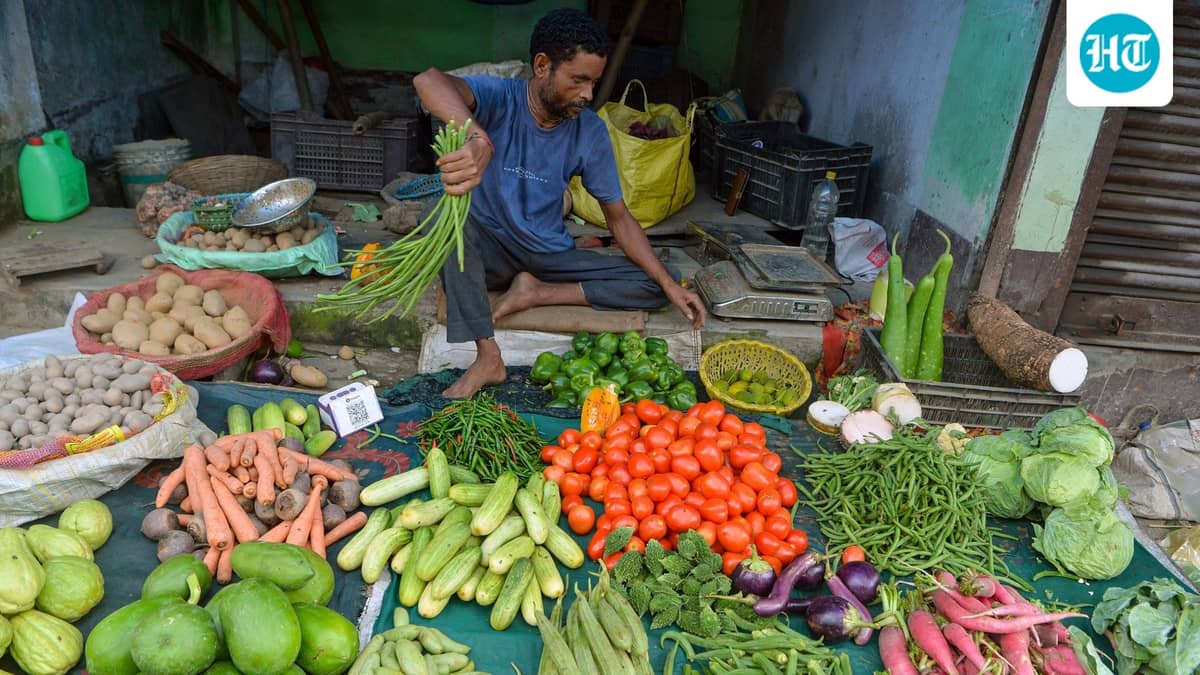
High inflation remains a key concern and the index could rise in the coming months as the festive season, which stretched into November, and the start of the wedding season raise demand for food and non-food items, the finance ministry said in its monthly economic review on Saturday.
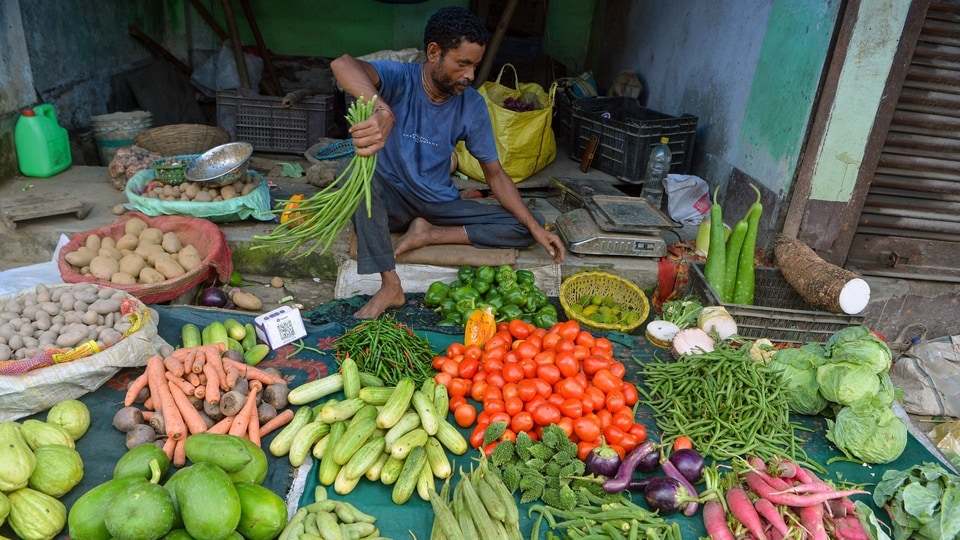
Retail inflation, measured by the consumer price index (CPI), rose to 6.09% in October from 5.54% in September on elevated food prices and an unfavourable base effect, the report said. That took it above the 6% upper limit of the Reserve Bank of India’s tolerance band for the first time since October 2024.
“Inflation may face near-term upside pressures from the persistence of base effect and weather-related uncertainties, including the possibility of a strong El Nino,” the ministry said in its November report.
Experts expect the RBI’s monetary policy committee (MPC) to raise its policy rate when it meets in early December. DK Srivastava, chief policy adviser at EY India, said wholesale and retail inflation, read together, pointed to persistent price pressure. “This calls for an upward revision in the RBI’s policy rate in the December 2026 MPC meeting, following on the earlier increase of 25 basis points in the October 2026 monetary policy review,” he said in the latest edition of EY’s Economy Watch.
Wholesale price index (WPI) inflation has stayed close to or above 10% since April and reached 12.3% in October, the highest in the 2022-23 base series. Srivastava said the pressure on wholesale prices came mainly from primary articles, including food and fruits, and from energy, as electricity and petroleum prices rose. Core CPI inflation, which excludes food and fuel, rose for the third month in a row to 4.5% in October.
The ministry said geopolitical tensions, AI-related demand and festive buying had also pushed up prices of some non-food items. About 52% of the CPI basket, however, still recorded inflation below the RBI’s 4% target, it said. If crude oil prices stay below $100 a barrel and the rupee holds its recent gains, imported inflation could be contained, the report added.
The ministry expressed confidence that the economy could sustain its growth momentum, with consumption demand holding up, private investment gradually broadening and continued government support for manufacturing. It expects the external sector to remain resilient, with robust merchandise exports, a strong services trade surplus and adequate foreign exchange reserves.
The report named continued conflict in West Asia, risks to shipping through the Strait of Hormuz and uncertainty over global trade policy as the main risks to the outlook. It said strong domestic fundamentals and adequate macroeconomic buffers left the economy well placed to deal with them.
KioskNews shows a cleaned-up reading view extracted from the publisher’s page — the original always lives on their site, not ours.