World Court to rule whether Myanmar committed genocide against Rohingya
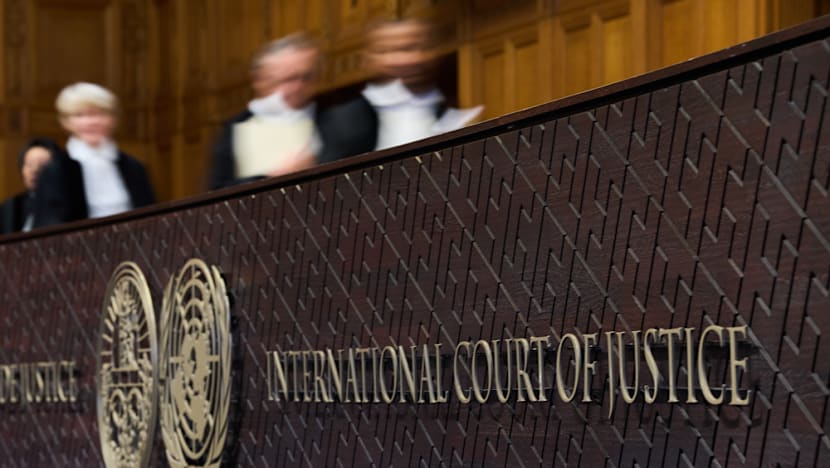
The International Court of Justice (ICJ) is set to deliver its final judgment in The Hague on Thursday (Nov 19) on whether Myanmar committed genocide against its Rohingya minority.
No state has ever been found by the ICJ, also known as the World Court, to have committed genocide, a crime codified in international law following the Holocaust.
Observers say the outcome could become a landmark ruling on state responsibility under international law, with implications for South Africa’s ongoing genocide case against Israel over the war in Gaza.
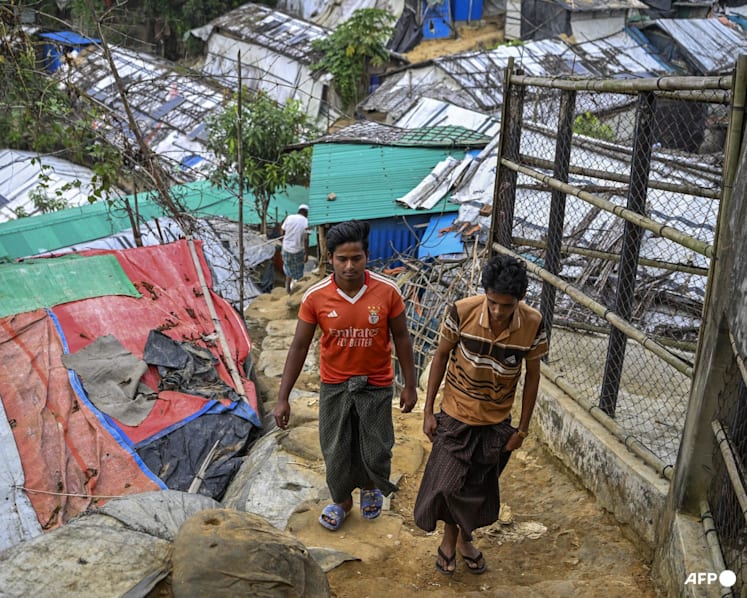
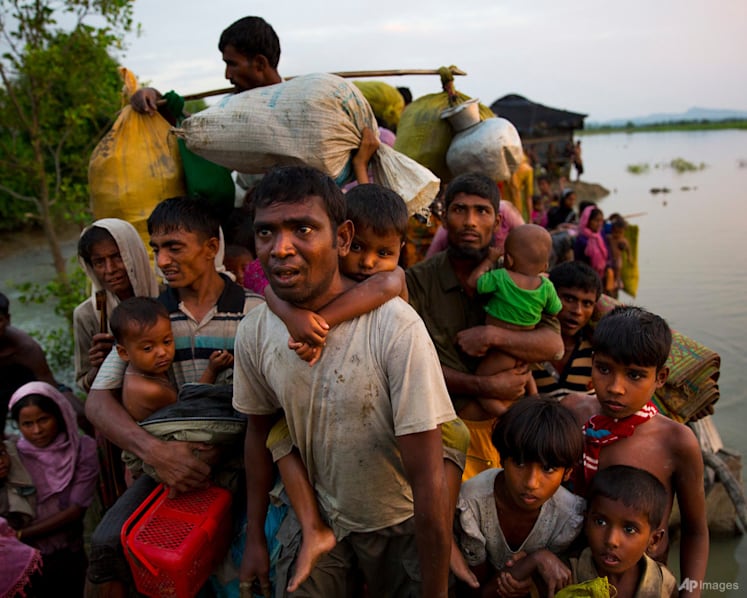
The case centres on Myanmar’s 2017 military crackdown in Rakhine state that drove more than 700,000 Rohingya into neighbouring Bangladesh, where many recounted killings, mass rape and arson.
After seven years of legal proceedings, the ruling by the United Nations’ top court is expected to mark a pivotal moment not only for Myanmar, but also for the more than 1 million Rohingya who remain displaced across the region.
HOW THE CASE UNFOLDED
The legal challenge began in November 2019 when the West African country of The Gambia, with the backing of the 57-member Organisation of Islamic Cooperation, filed proceedings against Myanmar at the ICJ.
It alleged that Myanmar had violated the 1948 UN Genocide Convention through its military actions against the predominantly Muslim Rohingya in 2017.
A UN fact-finding mission concluded that the military offensive had included “genocidal acts”.
Then-state counsellor Aung San Suu Kyi personally appeared before the World Court to defend Myanmar, arguing that the country had no genocidal intent.
In January 2020, the court ordered Myanmar to take measures to prevent genocide against the Rohingya while the case was under consideration.
Myanmar’s military seized power in a February 2021 coup, arresting and imprisoning Aung San Suu Kyi.
Following the coup, the National Unity Government (NUG), Myanmar’s parallel civilian government comprising elected lawmakers ousted by the military, was formed.
In February 2022, the NUG announced that it accepted the ICJ’s jurisdiction and would withdraw Myanmar’s preliminary objections to the genocide case.
According to Ben Lee, executive director of the Special Advisory Council for Myanmar and an international lawyer, the NUG has since cooperated with the ICJ, the International Criminal Court (ICC), universal-jurisdiction cases in domestic courts, and UN human rights mechanisms and investigators.
“We have seen the National Unity Government issue a policy position on the Rohingya and Rakhine state, which was very much rights-focused,” he said.
The World Court heard arguments from both Myanmar and The Gambia in 2022, followed by further hearings in January this year.
During the January hearings, Gambian Justice Minister Dawda Jallow told the court the Rohingya had suffered “the most horrific violence and destruction one could imagine”.
“They have been targeted for destruction,” said Jallow.
Myanmar rejected the allegations as “unsubstantiated”, arguing that the military had acted in a “counter-terrorism operation”.
WHAT COULD THE COURT DECIDE?
Three broad outcomes are possible:
- The court could find Myanmar responsible for genocide against the Rohingya
- It could find that Myanmar is not responsible for genocide
- It could also determine that Myanmar breached obligations under the Genocide Convention without finding the country responsible for committing genocide
The ICJ previously found states in breach of obligations under the Genocide Convention. In 2007, the court found that Serbia had violated its obligation to prevent the 1995 genocide at Srebrenica during the Bosnian War.
Thursday’s ruling will also show how the ICJ weighs conclusions from UN fact-finding reports.
WHAT IT MEANS FOR THE ROHINGYA
More than 1 million Rohingya live in the world’s largest refugee settlement in Bangladesh, while repeated efforts to repatriate them home have failed.
Complicating matters further, most of Rakhine state is no longer under the control of Myanmar’s military, but rather the Arakan Army – an ethnic armed group – which has also faced accusations of abuses against the Rohingya.
“Conditions in Rakhine state are not safe, secure to allow for the kind of sustainable and arguably voluntary return of the Rohingya people,” Lee said.
He also pointed to the broader security situation in Myanmar amid an ongoing nationwide armed rebellion.
The ICJ is not the only court examining alleged crimes against the Rohingya.
In 2024, the chief prosecutor of the ICC, also based in The Hague, sought an arrest warrant for Myanmar leader Min Aung Hlaing over alleged crimes against humanity.
A separate case is also under way in Argentina under the principle of universal jurisdiction, which allows national courts to prosecute certain grave crimes regardless of where they were committed
KioskNews shows a cleaned-up reading view extracted from the publisher’s page — the original always lives on their site, not ours.