Houthi ballistic missile strike on Yemeni military camp said to kill over 50 soldiers
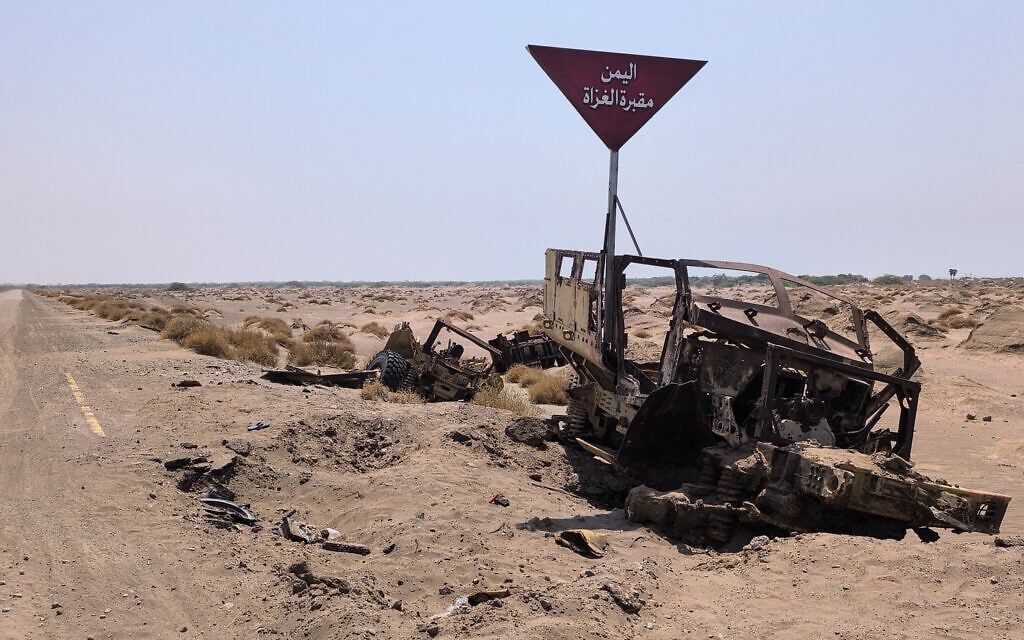
More than 50 people were killed and over 200 wounded when Yemen’s Houthis hit a military camp in the energy-rich Shabwa province with ballistic missiles, officials and military sources said on Monday.
It marked the deadliest attack in weeks as fighting between the Iran-backed Houthis and Yemen’s internationally recognized, Saudi-supported government has escalated after the collapse of a years-long truce.
“More than 53 recruits” were killed and over 200 injured, all new members of the internal security forces who were undergoing training, Shabwa authorities said in a statement.
0:00 / 0:00
Promoted: JPPI, Rabbi Sharon Brous

The provincial government in Shabwa said in a statement that the death toll is preliminary and may rise. It said the recruits were receiving training to be part of the internal security forces.
“This bloody, treacherous attack targeted new recruits in the training and preparation phase and is considered an extremely critical military escalation and a blatant aggression on the security and stability of Shabwa province,” the statement said.
Get The Times of Israel's Daily Edition by email and never miss our top stories
By signing up, you agree to the terms
Three ballistic missiles struck al-Alam camp in Shabwa, two military sources said. Majed al-Nuzaili, spokesperson for the Yemeni armed forces, described it as a training center for security and police recruits.
Fahad al-Khalifi, deputy governor of Shabwa, said hospitals in the province were overwhelmed and had been forced to transfer the most seriously wounded to neighboring Hadramout and Aden.
“Some of them (are) in critical condition,” he told AFP.
Shabwa contains major oil and gas fields and is home to the Balhaf liquefied natural gas terminal, the country’s largest energy facility and a key economic asset.
A government military source in the province said the army feared the strikes could pave the way for a ground offensive “similar to what happened in Mokha,” the strategic Red Sea port city seized by the Houthis last month.
The source, who requested anonymity, said the Houthis had cut a road linking Shabwa with Houthi-controlled Al-Bayda province on Sunday.
The Houthis’ Saba news agency quoted a military source as saying the group targeted “Saudi enemy gatherings” at al-Alam camp, causing dozens of deaths and injuries.
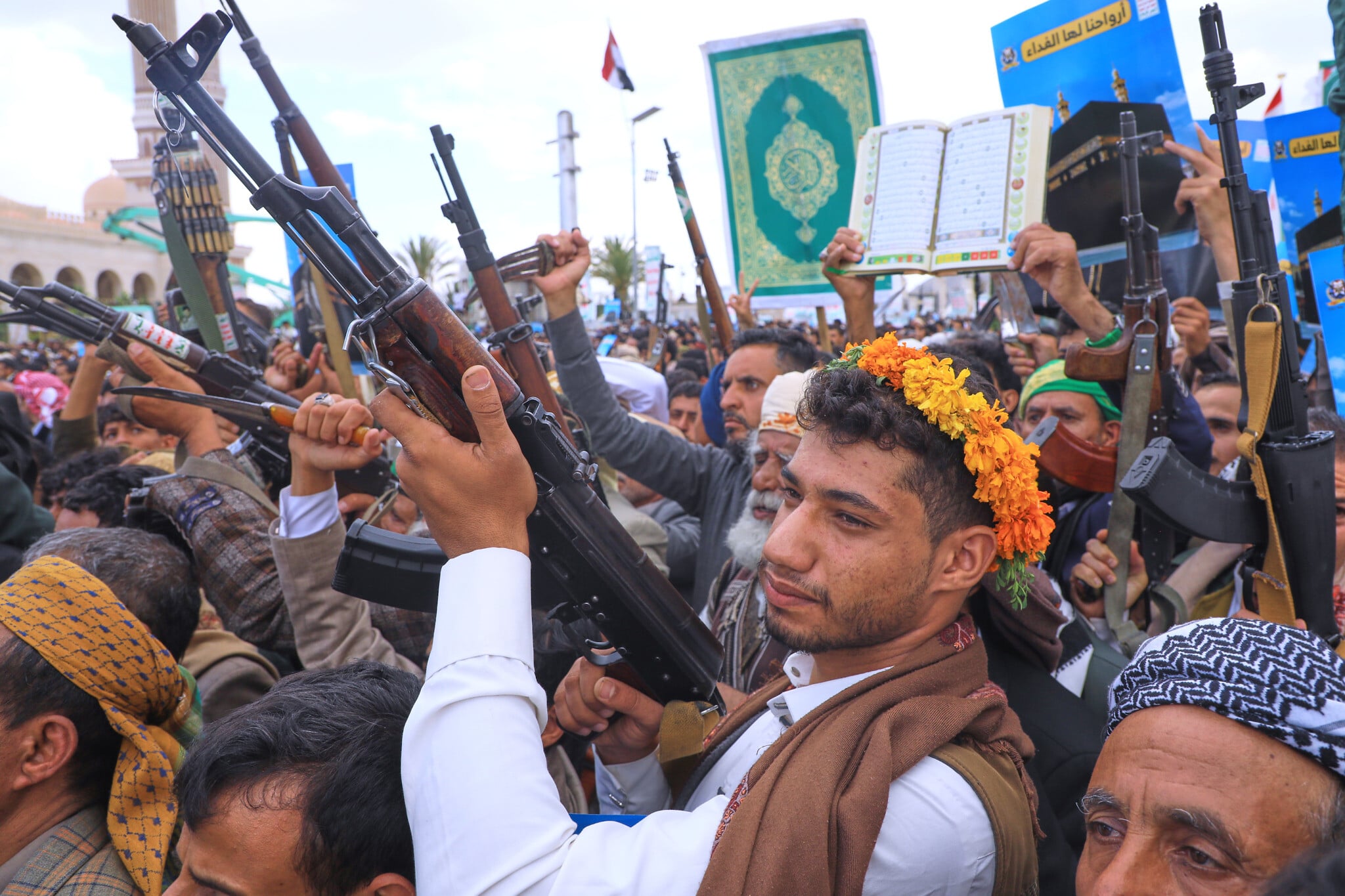
Earlier this month, Yemen’s government launched a counter-offensive to retake territory on the Red Sea coast seized by the Houthis in September.
Houthi attacks on Saudi Arabia have also reached an unprecedented scale.
The group has carried out multiple strikes on Riyadh airport, including an attack this month that killed 13 people and wounded more than 300, the deadliest in the kingdom in more than a decade.
In July, a fragile 2022 truce between the Houthis and Yemen’s government fell apart after the group allowed an Iranian plane to land in Sanaa in defiance of Riyadh’s control over Yemeni airspace, setting off a spate of attacks.
Later, they declared a maritime blockade of Saudi Arabia and began hitting its ships, territory and oil facilities, before routing Yemeni government forces from positions along the Red Sea coastline in a lightning campaign last month.
Saudi government agencies tell Riyadh workers to work from home
Meanwhile, Saudi authorities sent brief alerts to residents of the capital Riyadh on Monday, with AFP journalists receiving phone messages warning of “a hostile aerial threat” weeks into the intensified Houthi attacks.
“A warning has been issued by the National Early Warning Platform in Riyadh City to alert of a potential danger,” Saudi civil defense said in a statement on X, also reporting the same warning for the nearby Kharj area.
Shortly afterward, the warning, which often signals incoming Houthi attacks, was lifted.
A woman in her thirties living in northern Riyadh said she heard the sound of explosions, adding: “We got used to this.”
According to sources, Saudi government agencies in Riyadh have told employees to work from home starting Monday.
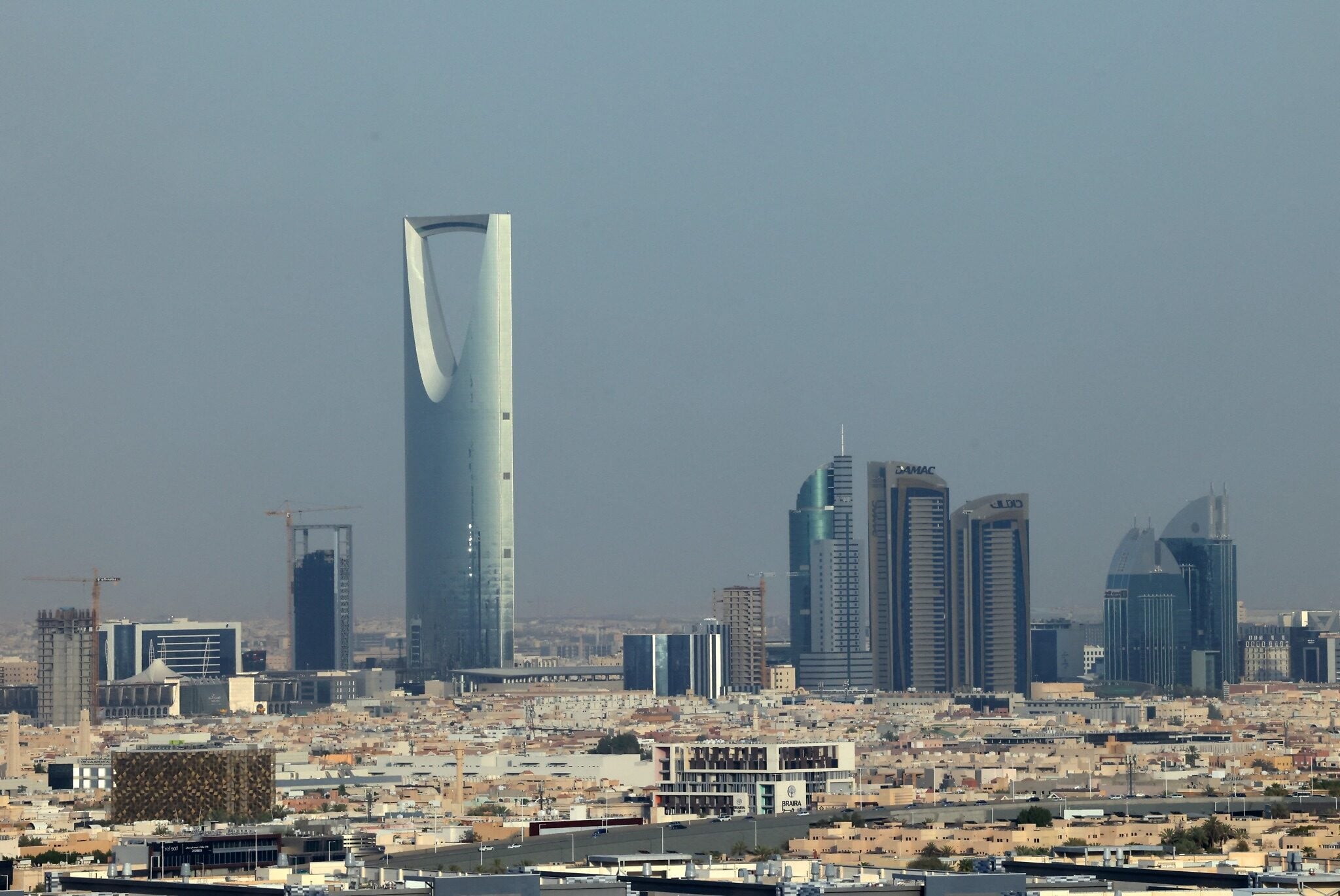
The Kingdom Centre, a 99‑story tower in downtown Riyadh that houses the regional office of the International Monetary Fund, has also requested workers in its offices to stay away until further notice.
On Sunday evening, an employee working for a government agency in Riyadh received a message saying “it has been decided to implement remote work from Monday to Thursday this week.”
“We ask everyone to continue their activities as normal,” it added.
Two consultants working for two Saudi government agencies said they had received the same instructions.
One of them told AFP he arrived at his workplace as normal on Monday morning only to learn that remote work had been mandated.
“The email was sent internally. We are consultants, so we didn’t receive it. Once on site, we contacted the project manager on the client’s side, who informed us,” he said.
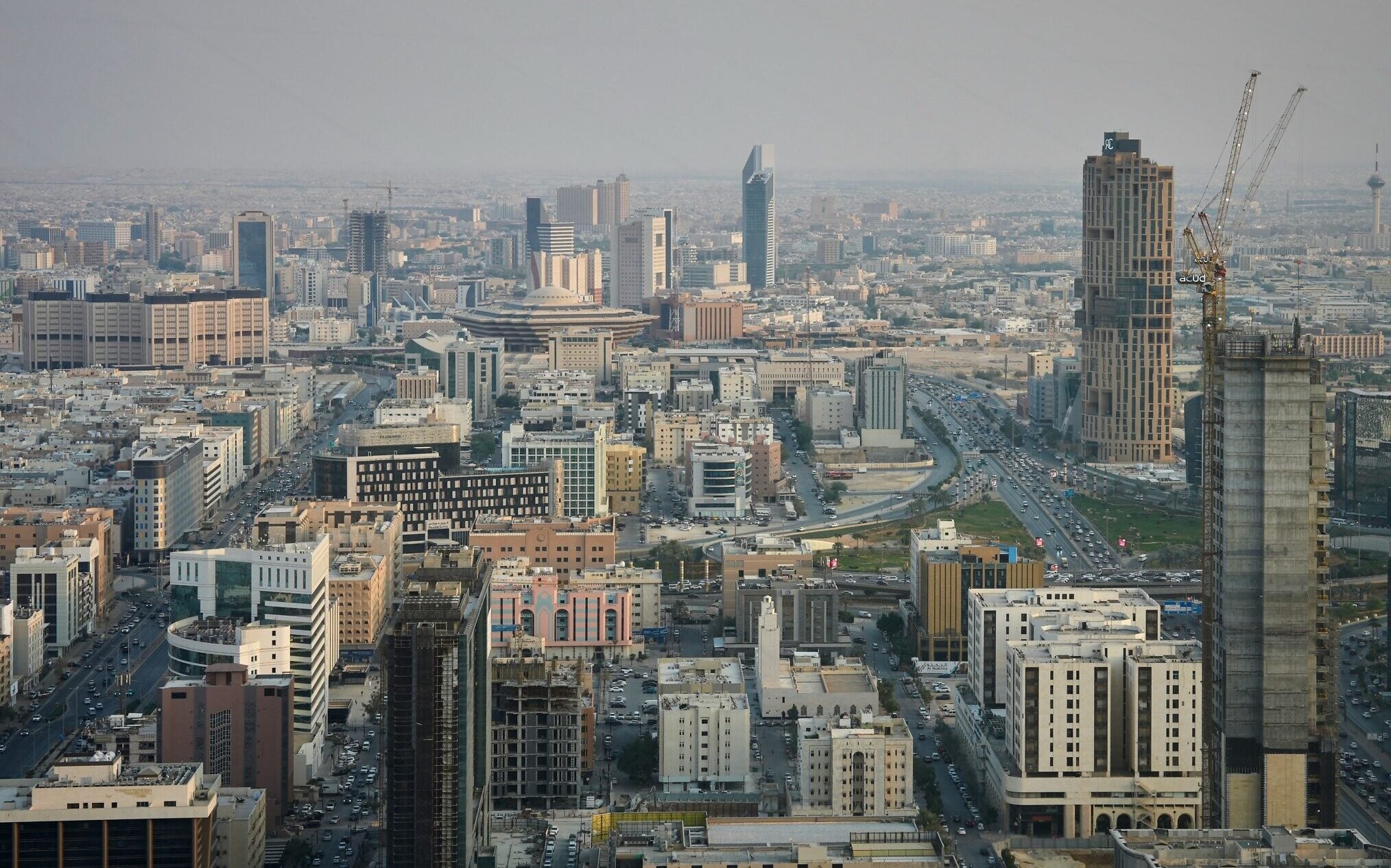
Two other sources told AFP that government offices located in skyscrapers in the Al-Olaya district, in central Riyadh, had been evacuated two weeks earlier.
Companies based in the King Abdullah Financial District, which hosts offices of major American firms, have also asked employees to work from home, according to other sources.
US calls for release of ex-embassy staff in Yemen
The United States has called for the “immediate and unconditional release” of former American Embassy staff who were detained by the Houthis five years ago.
“For five years, these innocent people and their families have endured separation, intimidation, and abuse,” a US State Department statement said Monday in reference to the former employees of the embassy in Sanaa, which closed down in 2015.
“The Houthis’ continued detention of their fellow Yemenis stands as further evidence that the group relies on fear and violence against their own people to sustain their hold on territory,” the statement said.
Houthis seized the headquarters of the US Embassy in October 2021, detaining dozens of former staffers, many of whom were later released.
Help us report truthfully on social media

As a multimedia journalist, my job is to take the quality, fact-based journalism produced by The Times of Israel newsroom and make it accessible across every platform — from Instagram posts to podcasts to short-form videos.
This is how many, especially young people, consume news these days. But misinformation is rampant on social media. Our team at ToI produces accurate, responsible short-form reporting on Israel and the Jewish world.
If you believe in the importance of factual social media journalism, please consider joining our reader support group, The Times of Israel Community. Your financial support is essential to sustain responsible multimedia reporting.
— Gabriella Jacobs, multimedia journalist
Support our work Support our work Already a member? Sign in to stop seeing this
KioskNews shows a cleaned-up reading view extracted from the publisher’s page — the original always lives on their site, not ours.