Hundreds of baby whales have died off the coast of Argentina this year

(Image credit: Canva)
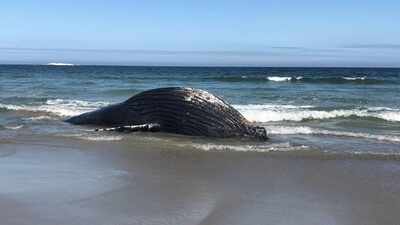
What is causing so many whales to lose their lives and wash up on shore is a question scientists are now desperately hoping to answer. Every year, the sheltered waters along Argentina's Patagonian coastline become a nursery for southern right whales, as mothers arrive to give birth and raise their young.
However, as Smithsonian Magazine has reported, both juvenile and adult whales have been washing up dead on shore.But this year, the waters around the Peninsula Valdés have become the site of an alarming wildlife concern, with more than 300 whale calves reported dead since June. While the complete tally will only be carried out by the end of the season, this number is nearly 3 times the previously recorded deaths of 113 in 2012.The scale of the losses has raised concerns among researchers monitoring the species, particularly because the cause of the unusually high mortality remains only partly understood. Preliminary findings point toward a bacterial infection, but scientists are still trying to determine why a bacterium already known to affect these whales appears to have become so deadly this year.
What is happening along Argentina's coast?
Live Science reports that the beaches of Peninsula Valdés, located in Argentina's Chubut province, are part of one of the most important breeding grounds for southern right whales in the Southern Hemisphere.
It further notes that any typical year, the calf mortality rate goes up to 20%-30% of a cohort with several causes at play including infections. However, this year the losses and mortality rate have surpassed it.
(Image credit: Canva)
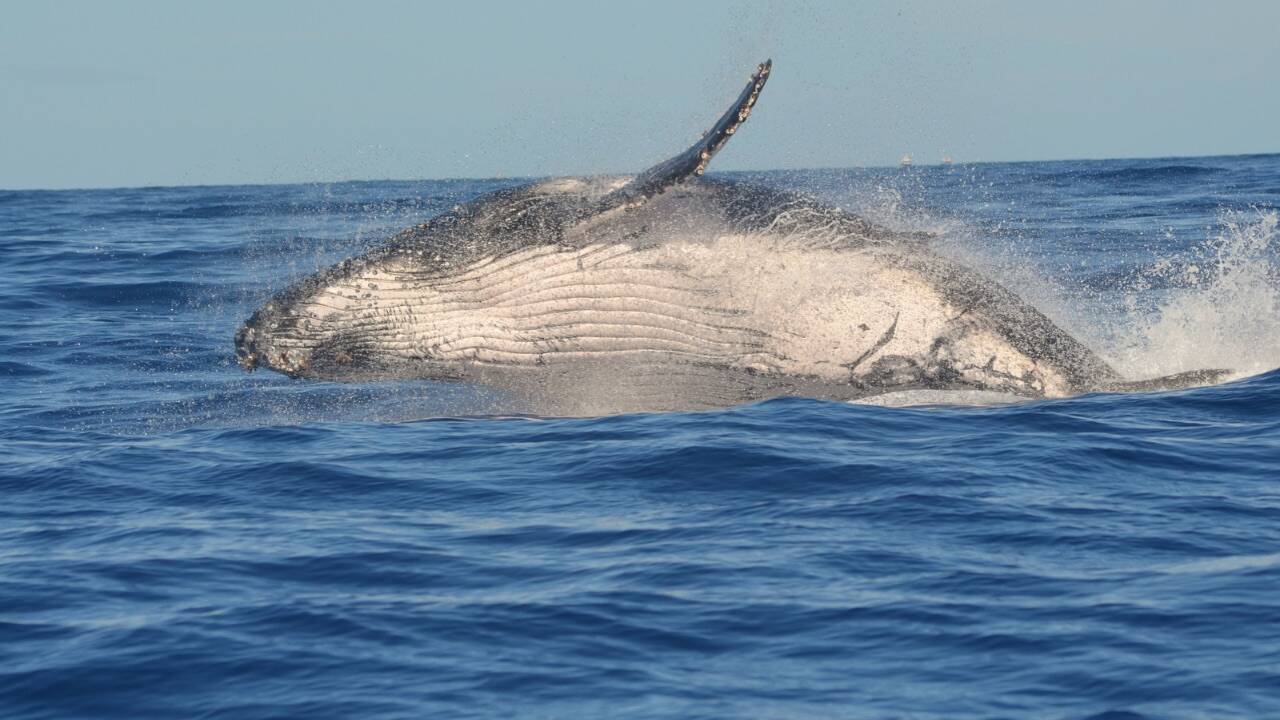
Although calf deaths are not unusual, the numbers, especially those recorded this year have been a pressing concern for researchers. In September, scientists counted 1,375 southern right whales in the region, including 409 calves.
More than 300 calf deaths had already been reported, compared with the previous record of 113 deaths in 2012.With the final mortality numbers awaited after the season ends, the preliminary numbers have already pointed toward an uncommon event, prompting scientists to begin examining tissue samples earlier than usual to determine what may be responsible.
A bacterial infection offers a possible explanation
This year, adult and juvenile whales rise in death mortality was even rarer, but according to El País report on unusual whale deaths in Argentina and, a survey conducted by CESIMAR's Marine Mammal Laboratory and biologist analyses of whale samples have detected Erysipelothrix rhusiopathiae, a bacterium associated with erysipelas, an infection that can affect the skin and, in severe cases, spread through the body and damage vital organs to be the cause behind the unanticapated deaths.But this bacterium is not new to southern right whales. It was previously identified in calves in the region, with researchers first reporting its presence in 2013. However, what remains confounding is why infections appear to have contributed to such a high number of deaths in 2026. One of the major hypotheses concerning injuries has been attributed to kelp gulls. These birds have been known to peck at southern right whales as they surface to breathe, leaving wounds on their skin.
Researchers suspect that these injuries could allow bacteria to enter the body and gulls might also transfer bacteria between whales.
(Image credit: Canva)
The presence of the bacterium alone does not explain the scale of the outbreak. Scientists are investigating whether the pathogen has become more dangerous, whether environmental changes have increased the risk of infection, or whether several factors are acting together. (Hyperlink: Live Science's investigation into the suspected bacterial infection)
Could changes in the marine environment be involved?
Researchers and experts have been deliberating and examining whether changes in ocean conditions could have made the calves more vulnerable to infection.
Changes in water temperature, salinity and pH may affect marine ecosystems and the organisms living within them. Climate change and the El Niño phenomenon are among the possible influences being considered, although a direct link to the deaths has not been established.
What could this mean for southern right whales?
Southern right whales were hunted extensively during the nineteenth and twentieth centuries, bringing their populations close to extinction. In the 1980’s in order to pause commercial whaling on whale species, a commercial whaling moratorium was put in place, where International protections and restrictions on commercial whaling were subsequently helpful in preserving the population.
Therefore, today, an estimated 12,000 to 15,000 southern right whales live across the Southern Hemisphere.Despite this recovery, the animals continue to face threats from vessel strikes, fishing-gear entanglement, pollution and changes to their marine habitats. Scientists caution that it is too early to determine the long-term consequences of the current mortality event. Southern right whales are long-lived animals, and a single season of high calf mortality does not necessarily mean the wider population will decline.
KioskNews shows a cleaned-up reading view extracted from the publisher’s page — the original always lives on their site, not ours.