Why Siberia’s warming landscape could shatter Trump’s Arctic ambitions
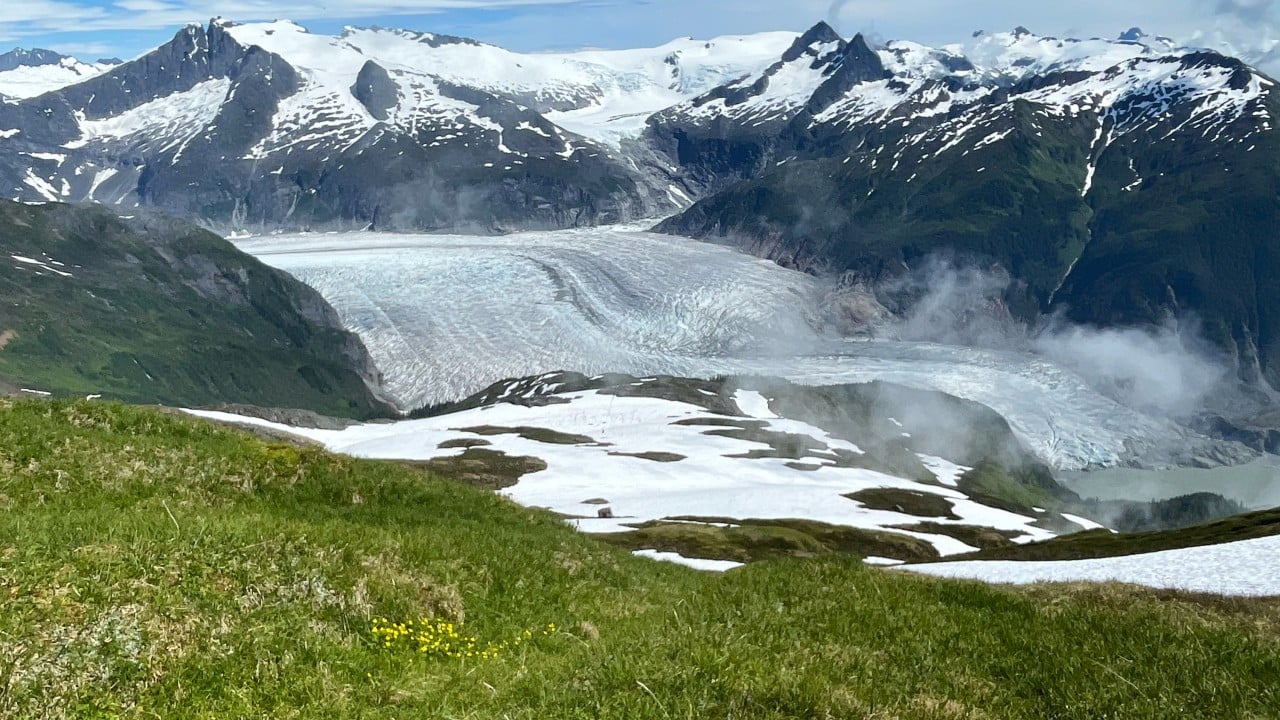
As the United States, Russia and China race to turn a melting Arctic into the world’s next major economic gateway, their strategic ambitions face a hidden threat: thawing permafrost.
Since returning to office last year, US President Donald Trump has pushed to expand America’s Arctic footprint. This includes investing in icebreakers to counter Russian and Chinese shipping ambitions, unlocking natural resources in Alaska and renewing efforts to buy or annex Greenland.
Yet, as the three powers vie for control of Arctic sea lanes and minerals, rapidly thawing permafrost in Russia’s Siberia could derail their plans. According to a new international study led by Chinese scientists, the massive cost of collapsing ground threatens to overshadow the region’s economic potential.
04:56
What are Trump’s motivations for wanting the US to take over Greenland?
Warming in the Arctic is occurring almost four times faster than the global average. This phenomenon, known as Arctic amplification, has triggered a rapid thaw of the permafrost that covers most of the region.
Permafrost refers to the ground in cold regions that has stayed at a temperature below 0 degrees Celsius (32 degrees Fahrenheit) for at least two consecutive years, and its melting could release a huge amount of greenhouse gas that pushes temperatures even higher.
Around 46 per cent of the northern hemisphere’s permafrost is in Siberia.
By 2050, higher methane emissions as a result of permafrost thaw and increasing wildfires in Siberia could offset 20 per cent of the global methane reduction required to meet our climate targets, according to the study led by the Chinese Academy of Sciences and published in the peer-reviewed journal Science on August 6.
KioskNews shows a cleaned-up reading view extracted from the publisher’s page — the original always lives on their site, not ours.