Ridley Scott’s 116-Minute Sci-Fi Masterpiece 'Alien' Is the Perfect Watch Before It’s Cut From Netflix
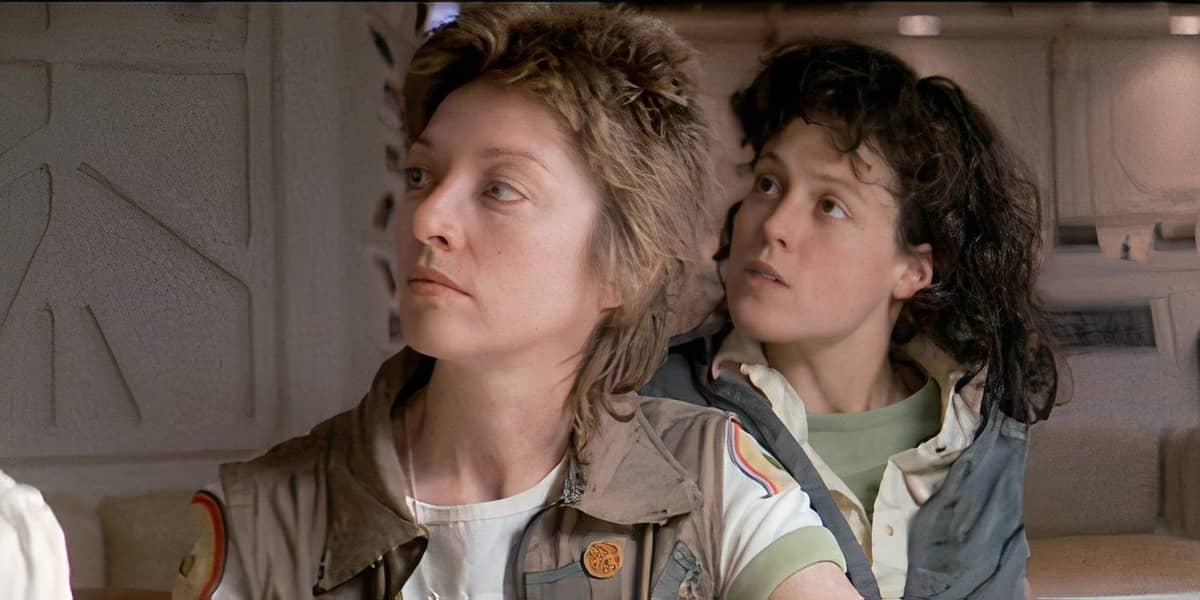

If you need any convincing as to why Ridley Scott is held in such high regard by movie fans, you only need to fire up Netflix before November 30 and catch his classic Alien. The pioneering sci-fi horror movie led to a franchise consisting of seven films, two spin-offs, and the TV hit Alien: Earth. However, back in 1979, it was just Scott’s vision that terrified audiences and changed the genre as we know it, with star Sigourney Weaver becoming an icon for the ages. If you’ve never experienced the nail-biting first chapter of the space saga, now is the time.
Ridley Scott's "Haunted House" Sci-Fi Still Holds Up Later
Set in the year 2122, the film takes place in a future where galactic space travel is not only possible, it’s industrialized. Commercial towing craft Nostromo is diverted to a planetoid, answering a distress signal from an alien spacecraft. Once there, an alien attaches itself to one of the crew without his knowledge, only to burst out of him once he's back on board. Escaping to the dark corridors of the ship, the alien (known as a Xenomorph) grows rapidly and starts hunting down the crew members one by one. Only Ellen Ripley (Weaver), who had reservations about the diversion in the first place, stands a chance of outwitting this terrifying new foe.
Scott conceived of the idea after the success of Star Wars, bringing his own brand of intensity to deep space and making a star of Weaver, who was appearing in her first starring role and just her third movie appearance. Nearly 50 years after its release, it’s still considered a pivotal moment in the sci-fi genre and film in general, thanks to the risks it took with well-known formulas.
'Alien' Changed the Game for Science Fiction
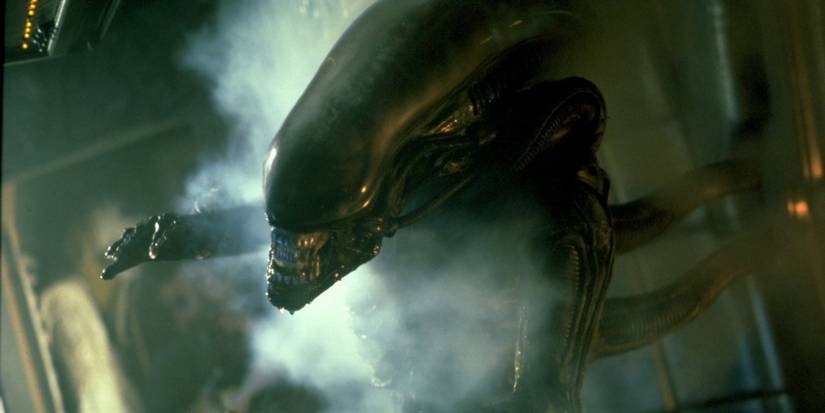
Prior to Scott’s film, the idea of space travel was mostly aspirational for Hollywood studios. Star Trek invited us to “boldly go where no man has gone before,” Star Wars offered swashbuckling adventures, and a decade on from the Apollo 11 moon landing, space seemed like a frontier. What Alien did was introduce the idea of space as a void, a lonely stretch of isolation where its inhabitants were alone in the truest sense. Scott took that concept and used it as the basis for a classic “haunted house” horror tale, teasing theater patrons with the poster’s tagline: “In space, no one can hear you scream.”
It also broke barriers with its visual presentation. The alien creatures and environments designed by the Swiss artist H. R. Giger looked otherworldly, inspired by surrealistic landscapes and biomechanical concepts. The spaces surrounding Ripley were foreign and unsettling, adding to the sense of being alone against this creature that has no empathy or reason, only the instinct to kill. Its influence is immeasurable – if you’ve seen a sci-fi movie where the crew of a spaceship are picked off by a deadly stowaway, it’s likely Alien’s DNA is in there. In the gaming world, titles like Halo and Doom both share the themes of the movie and its sequels. Its most impactful element, however, was its human star.
Sigourney Weaver's Performance Inspired Generations of Female Heroes
Ellen Ripley would have been an outlier in science fiction simply for being a female lead, but her influence goes beyond simple box ticking. She wasn’t like the cavalier heroes we were used to seeing flying through asteroid fields or battling little green men. In Alien, she is pragmatic, resourceful, and tough, doing what she has to do to survive without flourishes or grandstanding. She remained the key component of the first four Alien movies, and inspired a number of female sci-fi lead characters in the years since. The gritty resilience of The Terminator’s Sarah Connor, the relentlessness of Katniss Everdeen, and the strength of Mad Max hero Furiosa all owe something to Ellen Ripley, making her a key component of centering female characters in a historically male-dominated genre.
Given her influence on women in genre filmmaking, it’s surprising that the character was originally written as male, with no dialogue changing when the gender was flipped. Speaking to the American Film Institute in 2009, Weaver pointed out this as what attracted her to the part. “It was a character written as a man, so it was written in a very straightforward way,” she said. “She’s a direct person, who didn’t suddenly have these scenes where she was vulnerable. She didn’t throw up her hands and wait for someone to save her.”
Ridley Scott's Alien still holds up nearly half a century later, providing a benchmark by which all follow-ups, and sci-fi in general, are compared. The simplicity of the storytelling, combined with the complexity of the visual filmmaking, made for an unforgettable deep space nightmare that left everyone wondering what horrors may lie just beyond the stars.Alien is on Netflix, with November 30 as the final day to watch.
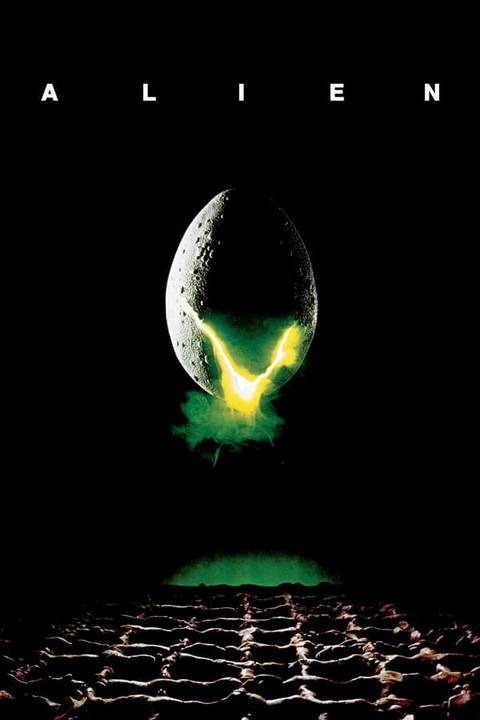
- Release Date
- June 22, 1979
- Runtime
- 117 Minutes
- Director
- Ridley Scott
- Writers
- Dan O'Bannon, Ronald Shusett
KioskNews shows a cleaned-up reading view extracted from the publisher’s page — the original always lives on their site, not ours.