India to build its largest oil reserve at Rs 8,571 crore amid Hormuz crisis
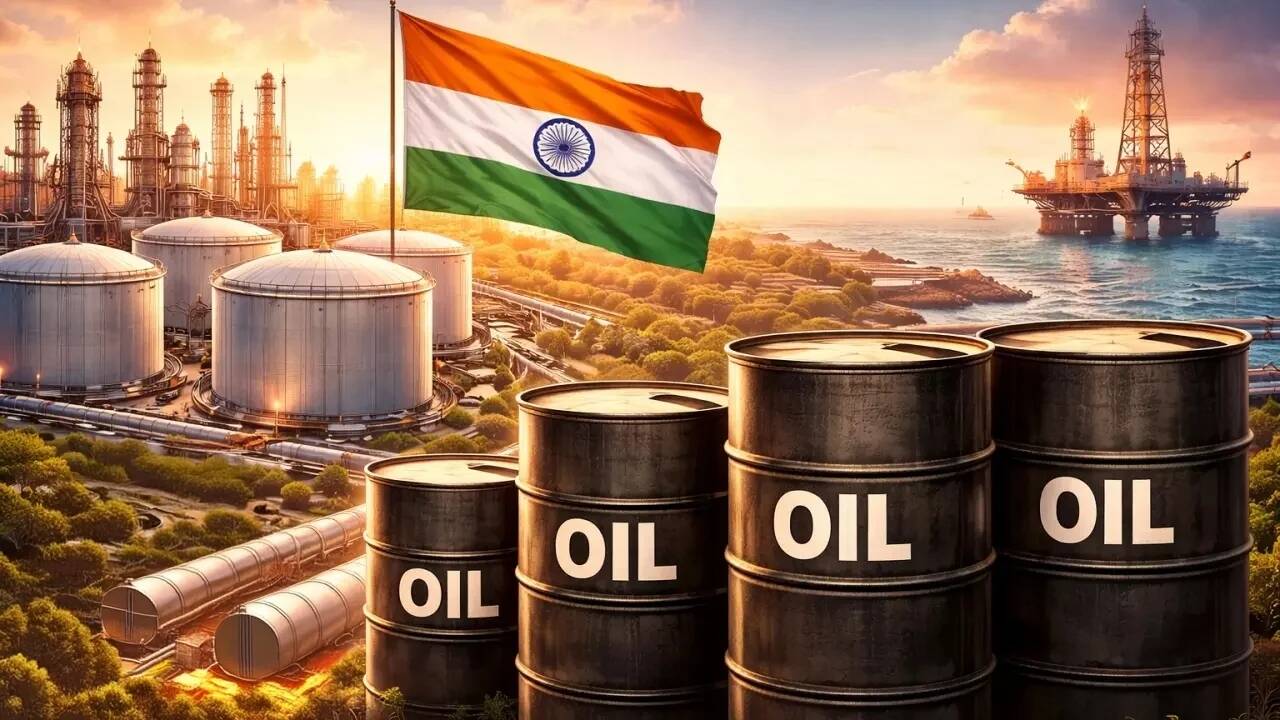
The proposed strategic reserve at Chandikhol has been under consideration since 2018. (Image for representative purpose only)
India is stepping up efforts to enhance its strategic petroleum reserves, especially in wake of the Middle East crisis and the oil supply shock it has brought about. The government is looking for private investors to develop the country’s largest strategic petroleum reserve in Odisha.India is stepping up efforts to strengthen its strategic crude storage following the disruption in the Strait of Hormuz, which exposed the country’s vulnerability to sudden supply interruptions. The strait’s abrupt closure cut off around 40% of India’s crude supplies, leaving refiners scrambling to source alternative cargoes from across the world, often at higher costs.Indian Strategic Petroleum Reserves Ltd, the state-owned company responsible for operating the country’s strategic oil reserves, has issued separate tenders for developing the Odisha facility and leasing out part of the Visakhapatnam storage capacity.
India’s largest strategic oil reserve
The project is estimated to cost Rs 8,571 crore. The proposed facility at Chandikhol will have the capacity to hold four million tonnes (MT) of crude oil, expanding the country’s existing strategic storage capacity by 80%.The government is offering financial support of up to Rs 5,142 crore for the project, according to an ET report. According to the tender documents, the contract will go to the bidder that seeks the lowest grant.
Separately, the Centre plans to lease out nearly half of the storage capacity at its operational strategic petroleum reserve in Visakhapatnam. The arrangement will cover around 524,000 tonnes of capacity for three years, with an option to extend the lease by a further four years.Both moves come as oil producers in West Asia look for storage options outside the region to bypass the transit bottleneck created by the war in Iran and the prolonged disruption to energy supplies through the Strait of Hormuz.Last month, Saudi Arabia announced plans to start storing oil in Singapore’s rock caverns next year. The country already has crude storage facilities in Japan and South Korea. The UAE, which holds some of its crude in India’s strategic reserves, announced in June that it intended to store larger quantities in the country.The deadline for submitting bids for the new Odisha project is February 26, 2027, while bids for the Visakhapatnam storage lease must be submitted by December 1, 2026.The government has also asked Oil and Natural Gas Corp to develop 1.75 million tonnes of strategic storage capacity in Mangaluru. The state-owned oil producer approved the proposal in July.The proposed strategic reserve at Chandikhol has been under consideration since 2018, when the Cabinet cleared plans for two additional facilities: a four-million-tonne reserve in Odisha and a 2.5-million-tonne facility at Padur in Karnataka.
Both projects were envisaged under the public-private partnership model to reduce the financial burden on the government.These facilities constituted the second phase of India’s strategic petroleum reserve (SPR) programme. The first phase involved building three storage facilities at Visakhapatnam, Mangaluru and Padur, with a combined capacity of 5.03 million tonnes. Commissioned over the past decade, the three facilities were built at a total cost of Rs 4,098 crore.
Last year, Megha Engineering & Infrastructures Ltd secured the contract to construct the 2.5-million-tonne facility at Padur as part of the second phase.The Chandikhol project, however, faced delays, partly because of the land acquisition process. According to the tender documents, the acquisition of around 400 acres at the site has now reached an advanced stage.The government also spent several years finalising a commercial structure that would attract private investors to the project. Under the model, it will provide a grant covering up to 60% of the project cost. The selected bidder will be responsible for developing and operating the commercial-cum-strategic petroleum reserve under the design, build, finance, operate and transfer model.
KioskNews shows a cleaned-up reading view extracted from the publisher’s page — the original always lives on their site, not ours.