Why Japan’s smallest main island is worth slowing down for

Take the time to explore Shikoku, with restful nature walks, centuries-old crafts and seaside stays in Kagawa and Ehime.
New: You can now listen to articles.

This audio is generated by an AI tool.

28 Oct 2026 10:01AM
As Singapore and Japan celebrate 60 years of diplomatic relations, Japan’s popularity among Singapore travellers reflects the long-standing ties between the two countries. Its culture, hospitality and food draw many visitors back time and again.
Repeat visitors, in particular, are venturing beyond the familiar Tokyo-Osaka-Kyoto itinerary. Skyscanner’s Travel Trends 2026 reported that more than one-third of global travellers actively seek out quieter, less-touristed places. Shikoku, the smallest of Japan’s main islands, may fit the bill.
Surrounded by water and crossed by mountains, Shikoku has the Seto Inland Sea to the north and the Pacific Ocean to the south. Beachfront villas and seafood reflect island life, while towns nestled in forested mountains have preserved local traditions – inviting travellers to experience the region’s nature, culture and history at an unhurried pace.
KAGAWA: REST, RELISH AND RECHARGE IN NATURE
Kagawa’s capital, Takamatsu, is a gateway to the many islands dotting Seto Inland Sea, collectively known as Setouchi Islands. Accessible by ferry, they offer everything from art museums and hiking to local produce. On Shodoshima, olives are a specialty.
The birthplace of commercial olive cultivation in Japan, Shodoshima has grown olives since 1908. At Shodoshima Olive Park and Shodoshima Olive Garden, just a short walk apart, visitors can learn about this history while strolling through the groves.
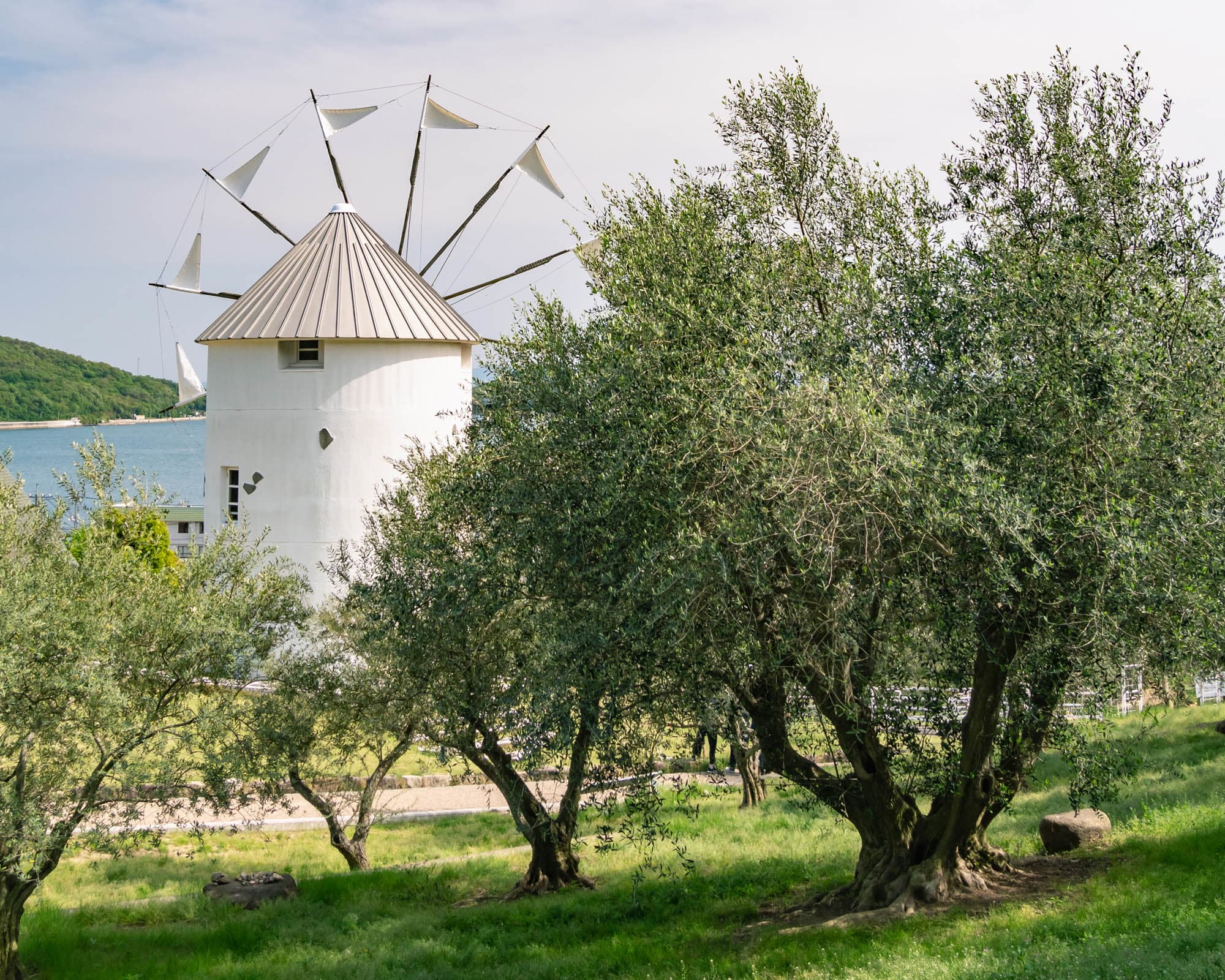
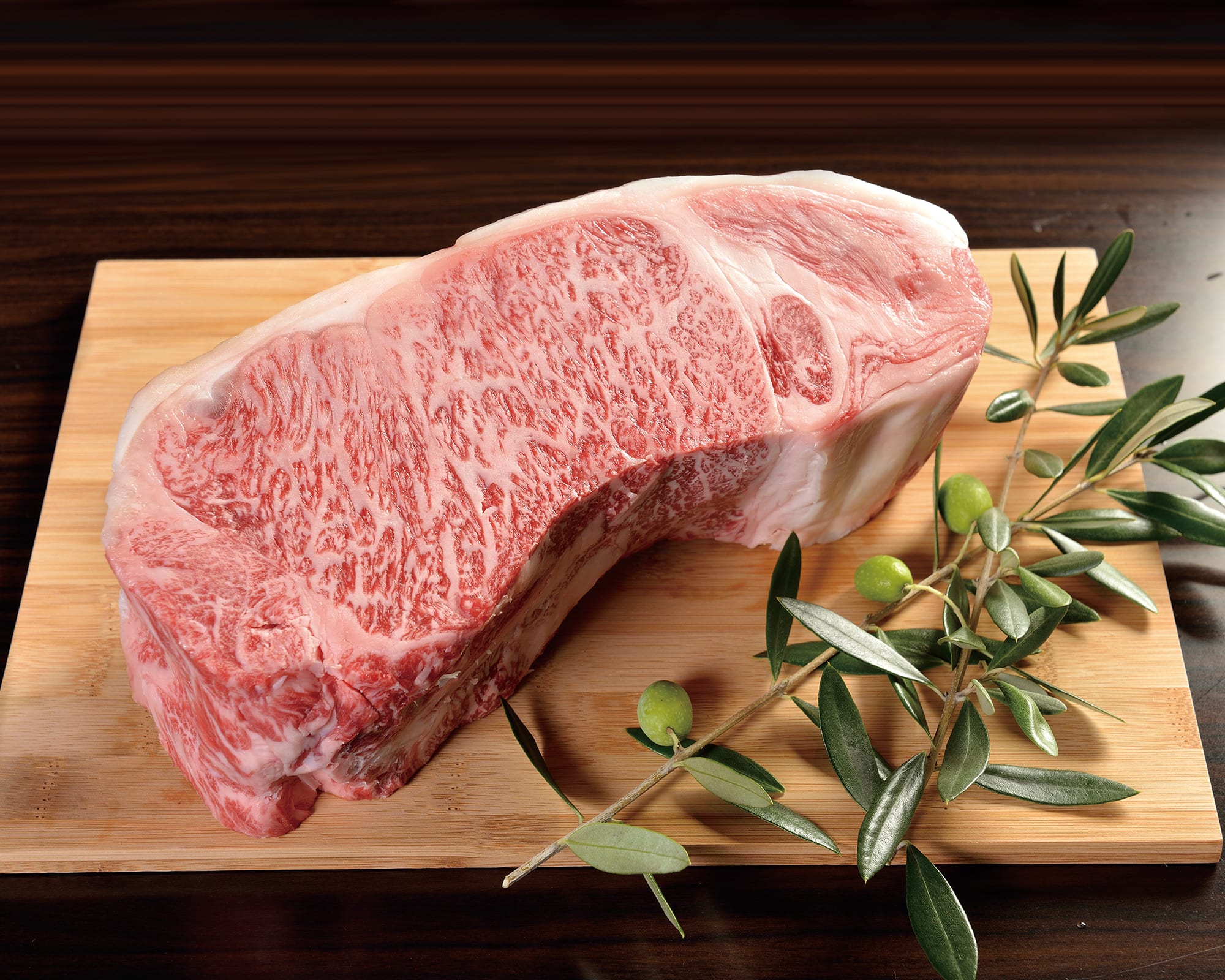
Japanese movie buffs may recognise the windmill at Shodoshima Olive Park as a setting for the 2014 live-action film, Kiki’s Delivery Service. At Shodoshima Olive Garden’s restaurant, Olive Palace RestleA, olive beef hishio-don – limited to 10 servings a day – brings together two of the island’s signature products: olive-fed wagyu beef and soy sauce.
Shodoshima olive beef, or Sanuki olive wagyu, comes from homegrown cattle fed olive pulp left over from pressed fruit. Restaurants serve the richly marbled beef in rice bowls, steaks, burgers and shabu-shabu hotpots, often seasoned with soy sauce.
Both Shodoshima Olive Park and Shodoshima Olive Garden maintain working groves, alongside other olive farms on the island. Family-run Inoue Seikoen, for example, offers olive oil-making workshops, orchard tours and tastings, and a restaurant with seasonal menus. The main harvest typically falls in October and November, when visitors can help pick olives.
About an hour’s drive from Takamatsu, the city of Mitoyo attracts visitors with its coastal scenery and nature-based adventures. Chichibugahama Beach is a popular sunset photography spot: At low tide, calm pools create mirror-like reflections that have drawn comparisons to Bolivia’s Uyuni salt flats.
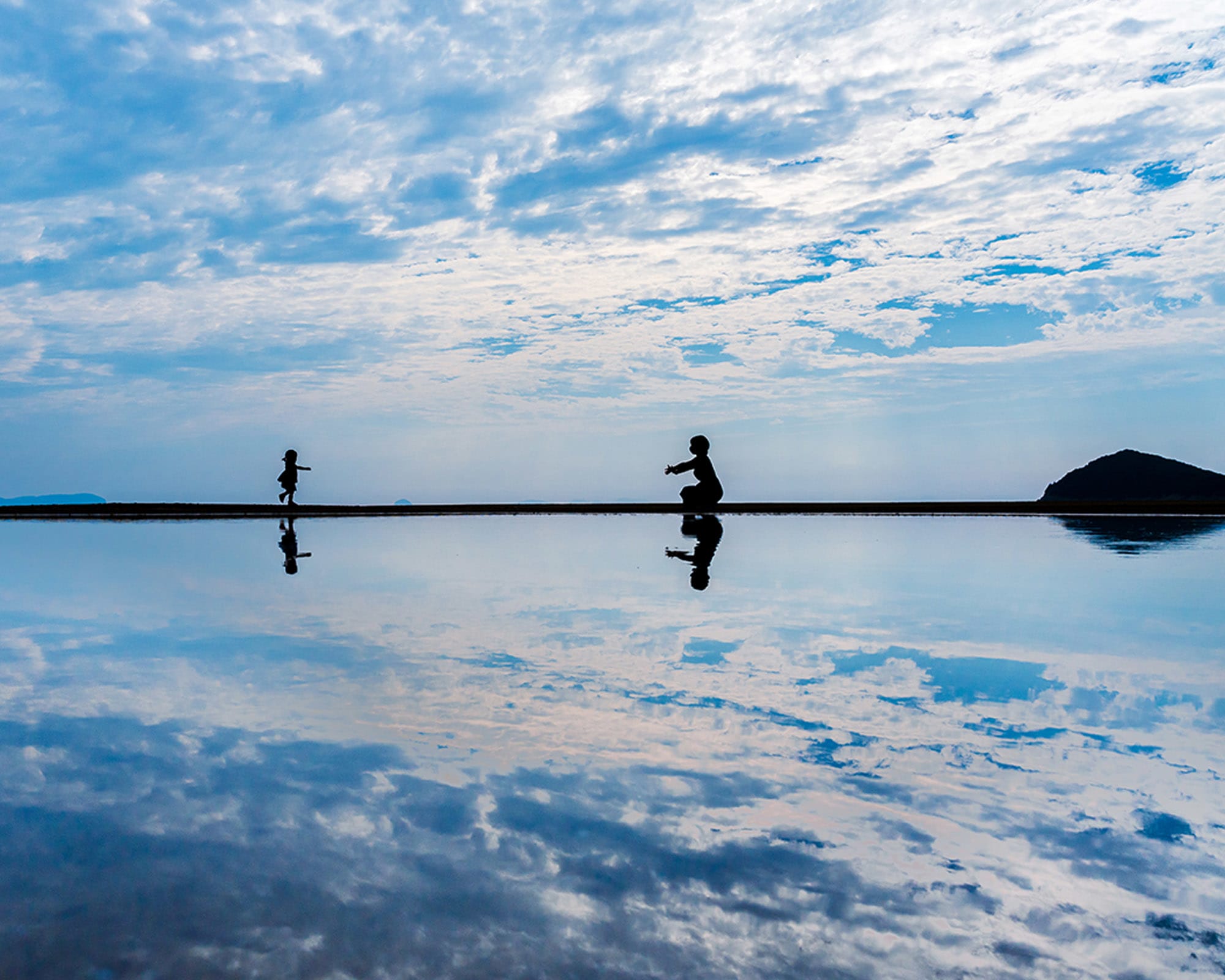
In Mitoyo, whole-house beach rentals cater to different budgets. At the higher end is Urashima Village, a collection of three private villas on the Shonai Peninsula, where guests can also go kayaking or take chartered cruises.
Nearby Awashima, a small island off the shore, offers hiking and camping. From June to September, overnight visitors can attend a sea firefly viewing event, where the tiny crustaceans give off a bioluminescent glow as they are released on the beach.
EHIME: WHERE OLD TOWNS AND CRAFTS GET NEW LIFE
From Ehime’s capital of Matsuyama, single-track rail services wind through mountain and coastal landscapes to the southern Nanyo region. There, Uchiko, Ozu and Uwajima offer a closer look at the area’s heritage and culture.
Uchiko flourished from the late Edo period through the Meiji era as a merchant town producing Japanese paper (washi) and Japanese wax (mokuro). Many original merchant buildings remain in the Yokaichi-Gokoku district, a 600m-long street lined with wooden townhouses and white-walled residences.
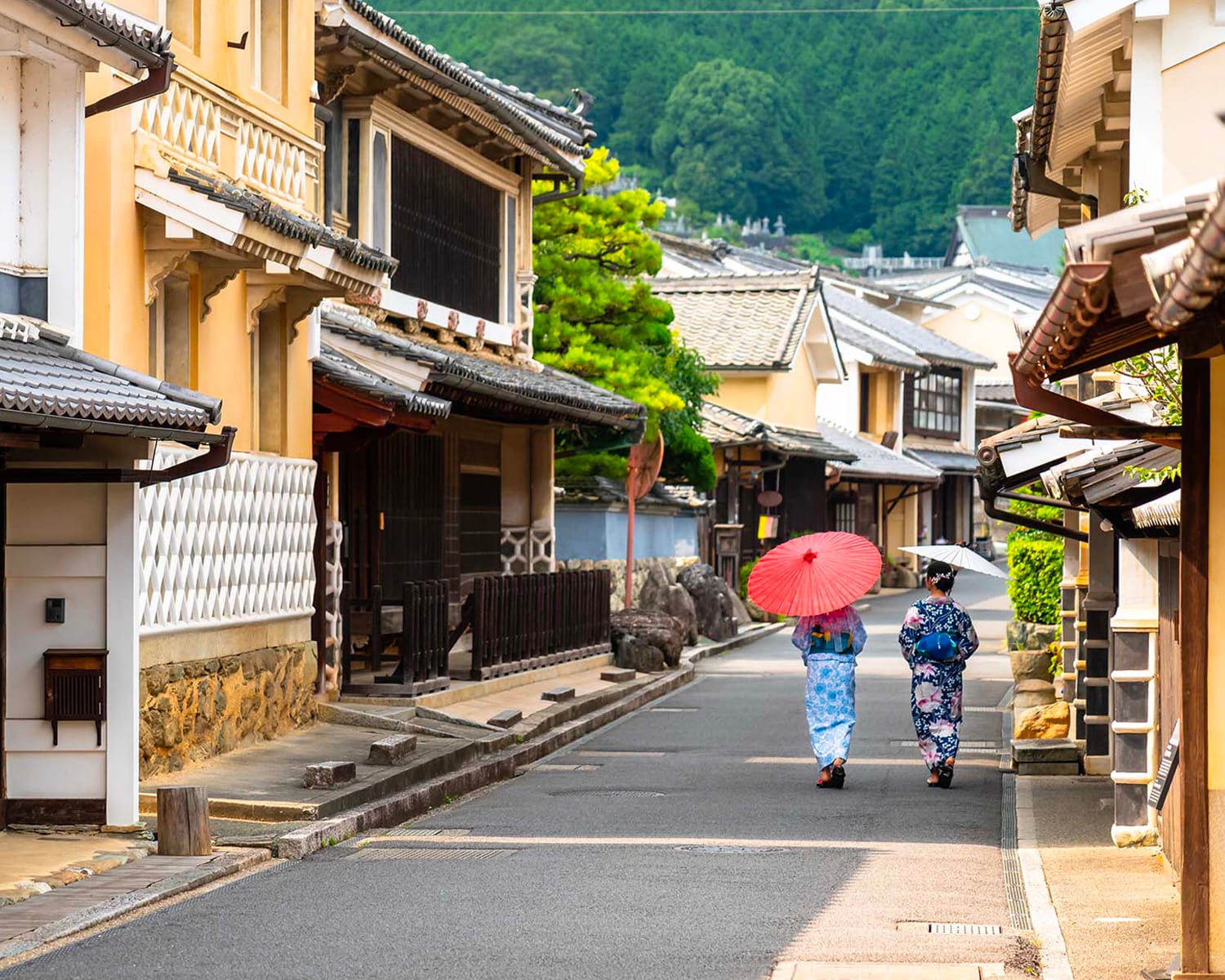
Visitors can also learn from artisans practising generations-old crafts. Omori Warosoku-ya, founded about 200 years ago, is the last remaining traditional Japanese candle maker in Ehime. Workshops operated by Uchiko Tourism Association teach people the kigake method, in which layers of plant-based wax are applied to a wick by hand.
At Tenjin Sanshi Japanese Paper Factory, established in 1919, visitors can tour the premises and meet factory staff. Uchiko Tourism Association also conducts workshops on-site, showcasing different uses of washi, including gilded washi tapestry-making.
Nearby Ozu is a historic castle town best explored on foot. Guided walking tours take visitors to landmarks including Ozu Castle, which dates back nearly 700 years and was restored in 2004, and Garyu Sanso, a Meiji-period villa built in the early 1900s.
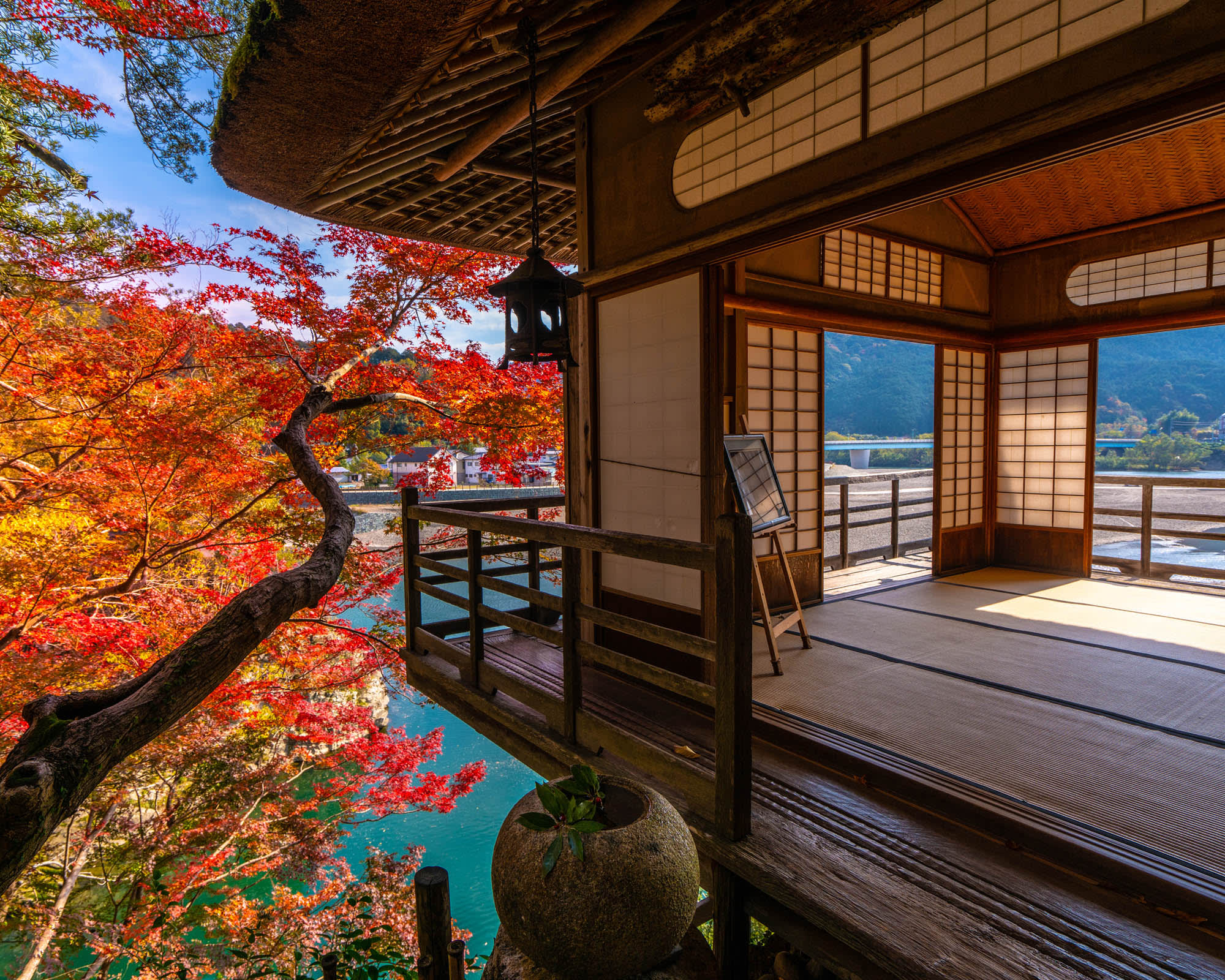
Perched above Hijikawa River, Garyu Sanso was built for a Japanese wax merchant in the sukiya-zukuri, or tea house-inspired, architectural style. Its three pavilions are designed to blend into the surrounding landscape.
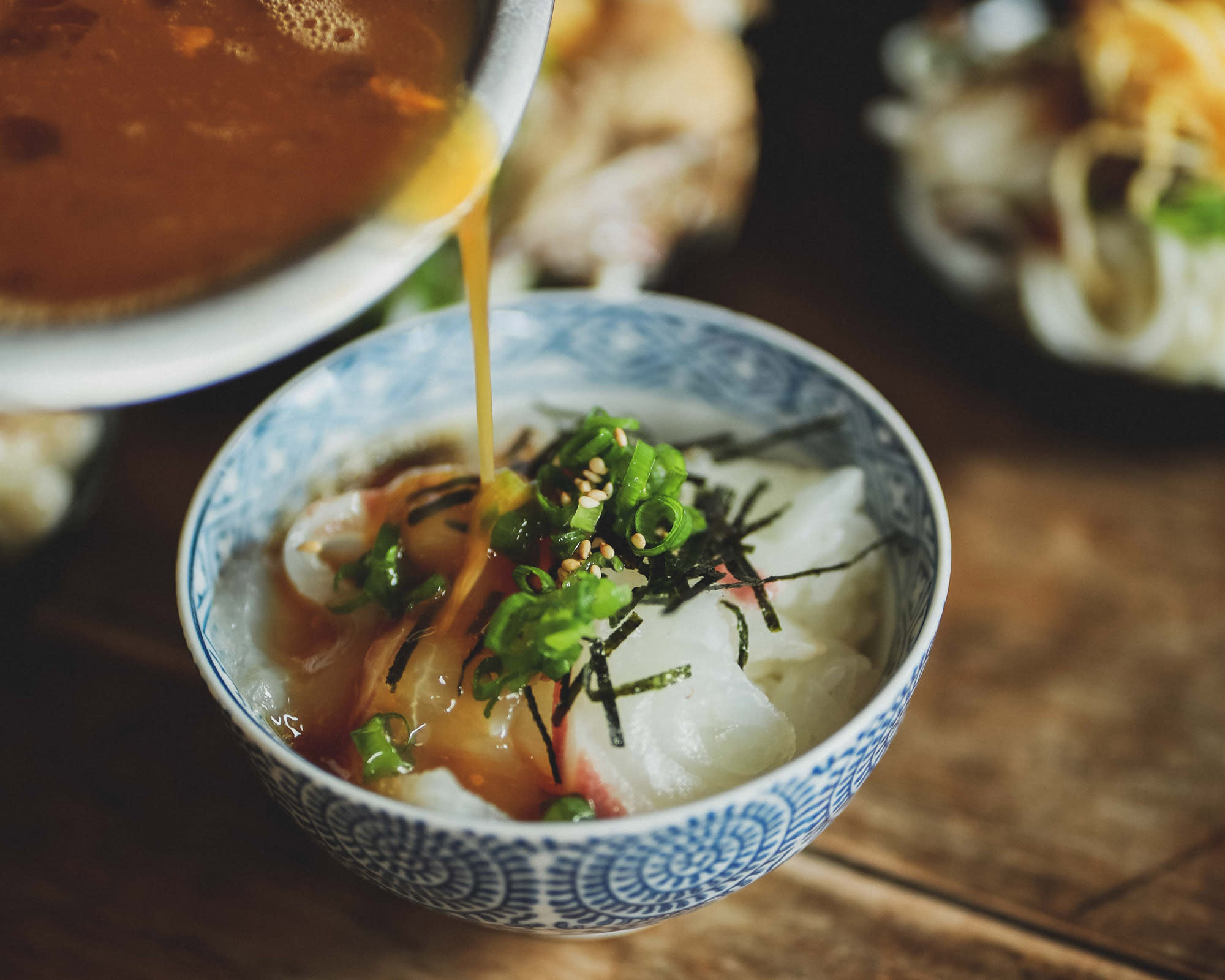
Further south, the coastal city of Uwajima is known for fresh sea bream. Visitors can tour local farms where the fish are raised. The Nanyo region has its own take on Ehime’s signature tai-meshi, or sea bream rice. Unlike versions elsewhere in the prefecture, the fish is served raw. Slices of sea bream sashimi are tossed in a sauce of egg, soy sauce and dashi stock, then spooned over rice with seaweed and other condiments.
For those keen to linger, Kiya Ryokan – a national Registered Tangible Cultural Property – offers an unusual whole-house stay. Founded in 1911 and reopened in 2012, the inn combines its historic structure with contemporary touches. Parts of the second storey, for example, have transparent acrylic floor panels in place of tatami mats. Groups of up to 10 can rent the entire building.
These experiences show what slow travel can offer: more time to understand a place, meet the people who live there and engage with traditions that might otherwise be overlooked.
Getting to and around Shikoku may be easier than expected. Travellers from Singapore can reach Shikoku from Osaka by highway bus, or by train or car from Kansai International Airport. Alternatively, they can take a connecting flight via Tokyo Haneda Airport. Once on Shikoku, exploring the island is convenient with trains, buses, taxis and rental cars.
KioskNews shows a cleaned-up reading view extracted from the publisher’s page — the original always lives on their site, not ours.