China digital bed bug map lets travellers flag hotels nationwide upon spotting pests
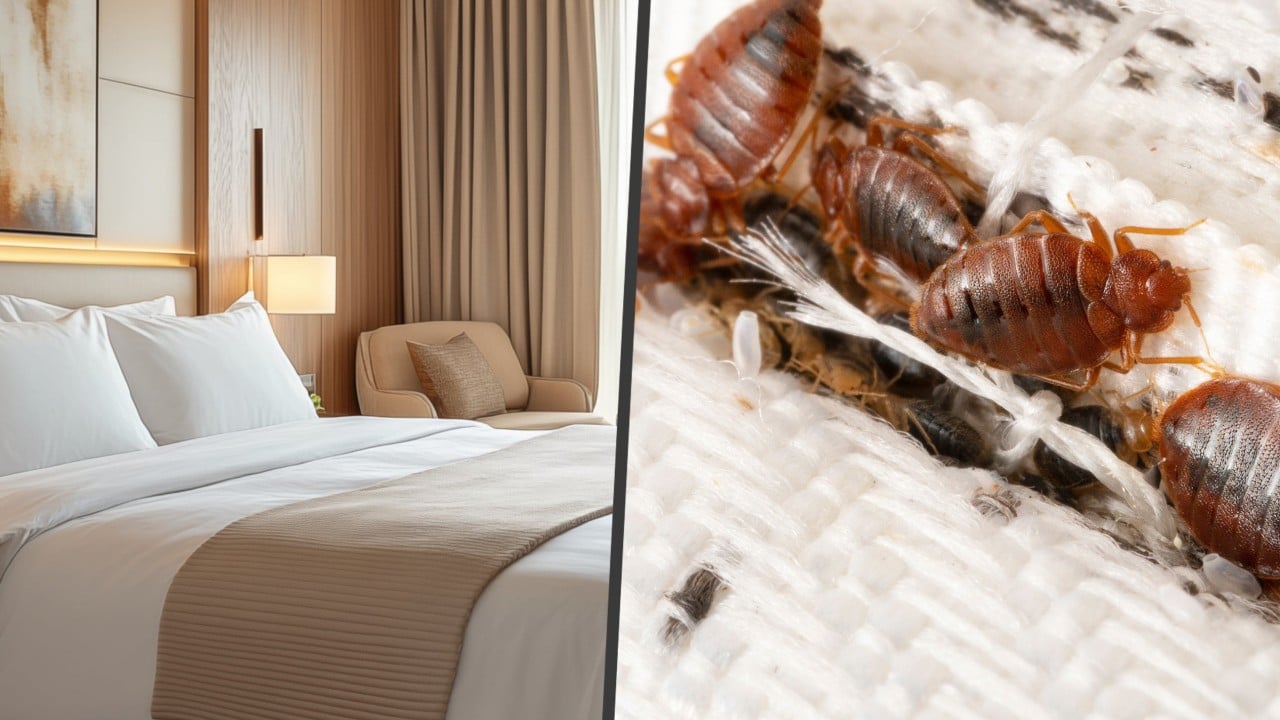
A digital map of bed bug sightings has gained popularity in China but has also sparked controversy by allowing users to flag hotels where they claim to have found the insects with a single click.
Since its launch on September 21, the app has attracted 200,000 users, who have marked more than 600 hotels across China. Any user can flag a hotel on the map after claiming to have spotted bed bugs there, and the marks are visible to all users.
Some hotels have defended themselves, saying they were wrongly flagged, China Business News reported.
According to the app’s creator, Wang, who goes by the handle @AI maker, the app aims to provide a channel for the public to share information.
“Apparently, it is not perfect yet because I developed it alone,” Wang admitted.
Wang, an engineer at a manufacturing company, had no programming experience before he began using AI to write code in July.
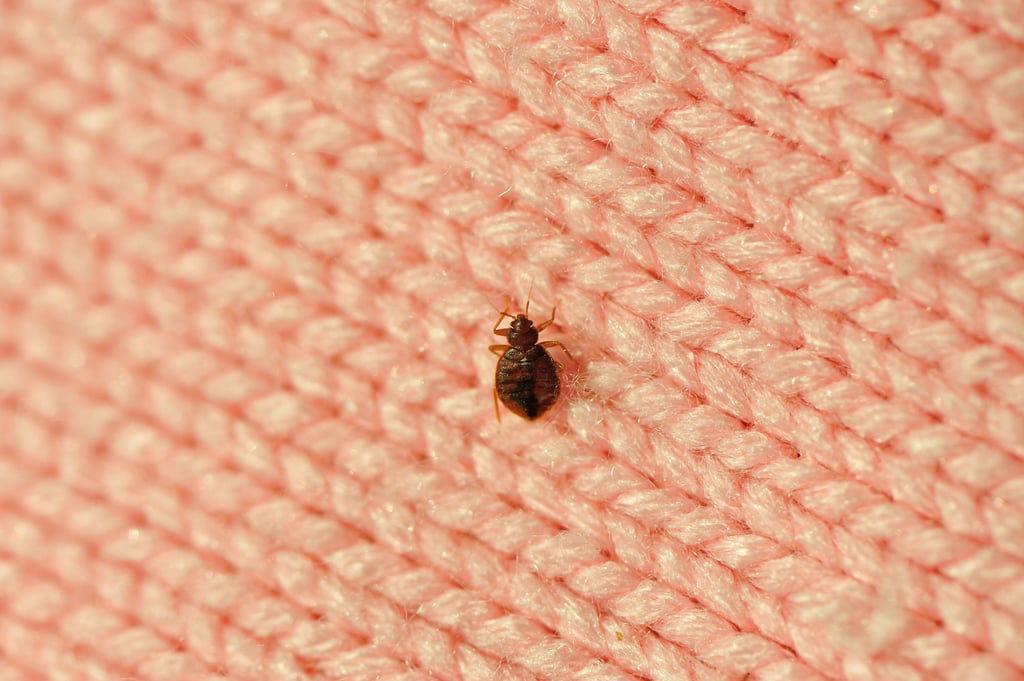
Wang said he came up with the idea for the bed bug map after being bitten by a bug while moving house this summer.
“Currently, information about hotels with bed bugs are scattered, making consumers spend a lot of time and effort searching for and avoiding these hotels. This is detrimental to people’s right to know,” Wang was quoted as saying.
At first, users did not need to provide photos to support their claims that bed bugs were present in hotels.
As a result, the app was suspended twice in one week in October following numerous complaints from hotels.
As an improvement, Wang began requiring users to provide evidence, which he would review manually before their reports appeared on the app.
He said he usually asked two other people to help determine whether the insects shown in users’ evidence were bed bugs.
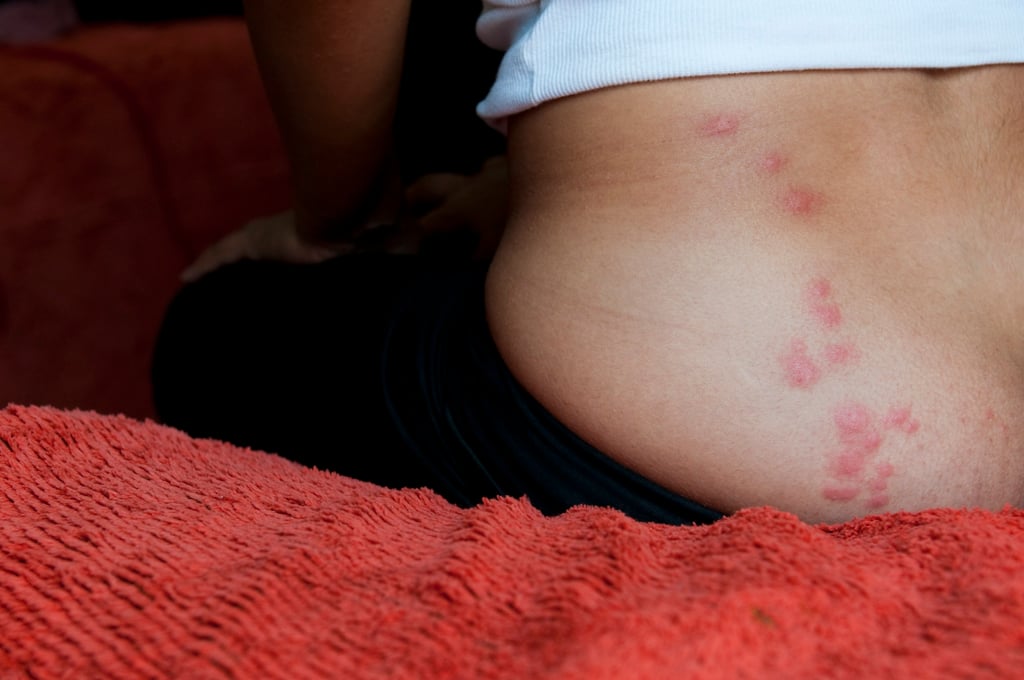
The app also displays a diagram explaining how to identify common bugs and the bites they cause.
“I am just an initiator, and I hope to mobilise the public to contribute to data collection and review on the app,” Wang said.
So far, four hotels have submitted materials to appeal, including their business licences, photos of disinfection work and disinfection records from third-party institutions.
Guangzhou Mansion, in downtown Beijing, is one of these hotels. A guest demanded a refund of 3,000 yuan (US$450) for a four-night stay, claiming she had been bitten by a bed bug at the hotel, a manager said.
The guest later shared her experience on a social media platform and flagged the hotel on Wang’s app.
In response, the hotel asked a third-party pest control company to inspect the guest’s room and 23 other randomly selected rooms. No bugs or eggs were found.
“We sent these reports and records to the app’s appeals section. Our appeal was approved, and the bed bug mark on our hotel was removed,” the manager said.
“We cannot say that all hotels do a poor job in this regard. As long as they disinfect carefully and control pests, it is still fine to stay there. I believe they are willing to disinfect regularly,” Wang said.
Lin Feiran, a lawyer at Beijing Jindu Law Firm, said online posts about bed bugs in hotels could easily lead to disputes over hotels’ reputations.
He said the app should strengthen its review of the information to ensure it complies with laws and regulations.
Lin suggested that the app require users to sign an agreement promising to submit authentic information. He also said the app should have professionals available to identify bugs.
KioskNews shows a cleaned-up reading view extracted from the publisher’s page — the original always lives on their site, not ours.