California returns $886m in electricity bill credits, about $75 per household
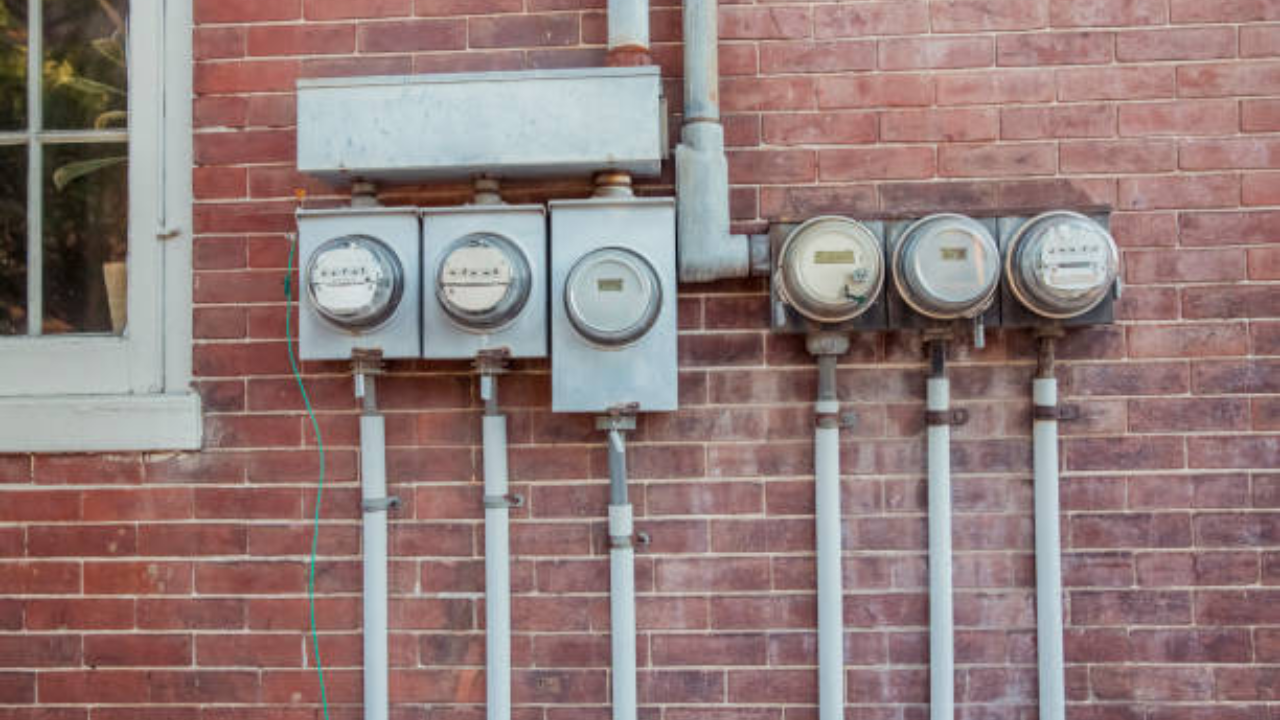
Millions of California households received a sweet surprise in their electricity bills for the months of August and September. Under a new schedule designed to place relief in the hottest, highest-use months, homes received automatic credit.
Governor Gavin Newsom's office said on Tuesday that customers of Pacific Gas and Electric, Southern California Edison and San Diego Gas & Electric will receive a combined $886 million in California Climate Credits this year, averaging about $75 per household across the three large utilities.Interestingly, the credits require no application. They appear automatically on eligible residential bills and are funded with proceeds from California’s Cap-and-Invest program, which requires large greenhouse-gas emitters to buy allowances.
A portion of those proceeds is returned directly to utility customers rather than retained for other climate investments. The governor’s announcement distinguishes the $886 million going through the three largest electric utilities from the broader electric-credit program.The exact household amounts vary by provider. The California Public Utilities Commission’s 2026 schedule listed two credits of $36.18 for PG&E customers, two credits of $36 for Southern California Edison customers and two credits of $49.36 for SDG&E customers.
Smaller utilities follow a separate schedule: Bear Valley, Liberty and Pacific Power customers receive their 2026 electric credits in April and November.The benefit is not a discount tied to a household’s income or consumption. Within each utility, eligible residential customers generally receive the same electric-credit amount, so its effect depends on the size of a customer’s bill. It also does not erase past-due balances or permanently lower a utility’s rates.
Instead, it functions as a periodic return of allowance proceeds, visible as a credit line on the monthly statement.The CPUC previously distributed the major utilities’ electric credits in spring and fall. In an April decision announcing the change, the commission said moving them to August and September would better offset peak summer bills. The agency put total 2026 electric credits across investor-owned utilities and community choice aggregators at $894 million, alongside $520 million in natural-gas credits.
Natural-gas customers continue to receive their 2026 credit in April; beginning in 2027, that credit moves to February to align with winter heating demand.
The CPUC also directed utilities to improve bill labelling and customer outreach so recipients can identify the credit.The two statewide totals describe different scopes rather than competing calculations: the governor highlighted $886 million for customers of the three large electric utilities, while the CPUC’s $894 million figure includes the wider electric-credit system.
The difference matters for customers served by smaller investor-owned utilities, whose credit months and amounts differ from the big-three schedule.
Community choice customers may receive generation service from a local provider while the incumbent utility still delivers electricity and presents the credit on the bill.The CPUC said the revised schedule implements provisions of Assembly Bill 1207, enacted in 2025, and directs 5% of electric-utility allowance proceeds to a revolving fund for transmission projects. A later phase of the CPUC proceeding will consider further changes to the residential credit. For consumers, the immediate practical point is straightforward: eligible customers should see a line-item credit without enrolling, while the amount and month depend on the utility serving their home.
KioskNews shows a cleaned-up reading view extracted from the publisher’s page — the original always lives on their site, not ours.