The black robin, once down to just a single breeding pair, wins NZ bird of the year
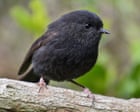
The black robin, once the world’s rarest bird before an extraordinary conservation project brought it back from brink of extinction, has been crowned New Zealand’s bird of the year, after record voter turnout.
The tiny bird is found only in the Chatham Islands, 800km east of mainland New Zealand. Called kakaruia in Māori and karure in Morirori – the language indigenous to the Chathams – the birds are also fondly known as the “goth” of New Zealand’s bird world, for its striking black plumage, black eyes and a little pointy black beak.
Habitat loss and introduced pests devastated its population, and by the 1970s there were five birds left. Just one breeding pair remained: Old Blue, the matriarch, and Old Yellow. A breeding programme that pioneered using other species to foster parent the robins’ eggs proved a success, and its numbers have steady climbed to 350 adult birds, although it is still classed as “threatened”.
“They are really cute,” said Jess Mackenzie, spokesperson for the Chatham Islands Landscape Restoration Trust, adding that the black robin has been in the top five birds for the past few years but never clinched a win.
“It’s a bird that New Zealanders definitely love and know,” she said.
Despite the name, the black robin is not in the same family as overseas robins and are a distinct species. In the Chathams, they live in lowland coastal forest on two restricted, pest-free nature reserves.
While a conservation success story, the black robin is not “saved yet”, Mackenzie said. Habitat on their islands is nearly at capacity, and a third pest-free island is needed.
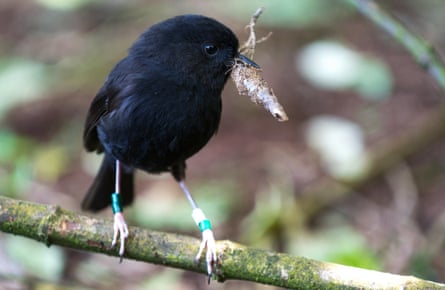
The bird of the year competition – run by conservation group Forest and Bird – was launched 20 years ago to raise awareness about the plight of New Zealand’s native birds, many of which are threatened, on the brink of extinction or already extinct due to the introduction of pests, human activity and declining habitats.
The 2026 competition attracted a record 105,000 votes. About 88% of the votes were cast from New Zealand.
The world’s heaviest parrot, the kākāpō, came second and the 2025 winner, the country’s only falcon, the kārearea, finished third.
Over the years, the contest has been subject to scandal, from crowning a bat the winner in 2021, to accusations of Russian interference in 2019, and claims Australians attempted to rig the contest in favour of the shag in 2018.
In 2023, British-American comedian and talkshow host John Oliver ran a global campaign for the threatened pūteketeke, which was then crowned the winner that year.
KioskNews shows a cleaned-up reading view extracted from the publisher’s page — the original always lives on their site, not ours.