Stronger concrete needed to fix ‘basic mistake’ of defective MTR station columns: experts
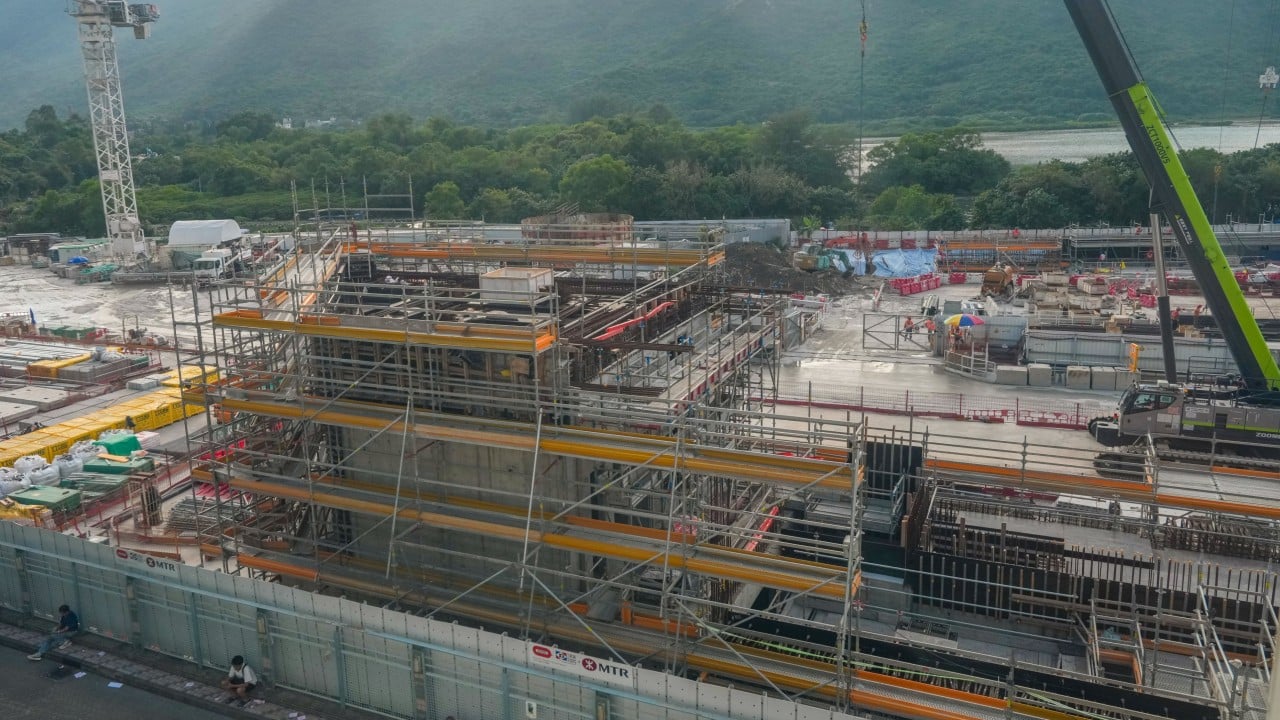
Hong Kong’s railway operator can use high-strength concrete to rectify the structure of dozens of defective columns at a station under construction, an engineer and a construction sector leader have said, describing the shoddy work as a “basic mistake”.
Their remarks came after the Buildings Department revealed on Saturday that about 30 columns at the Tung Chung West MTR station were defective because the concrete failed to reach the upper ceiling, leaving steel reinforcement bars exposed.
Engineering sector lawmaker Aaron Bok Kwok-ming, deputy chairman of the Legislative Council’s railways subcommittee, said the contractor could fill the gaps with higher-strength concrete, such as non-shrink grout, to restore adequate structural support.
“The strength of the filling material must not be lower than that of the originally designed concrete. It should be stronger,” Bok told a radio programme on Monday.
“This ensures that the filling material has sufficient strength to perform the function intended in the original design.”

He also criticised the contractor for making a “basic mistake”, noting that workers should easily have noticed whether the columns had been properly completed and checked whether the grout had overflowed from the top.
Bok further chastised the contractor for failing to report the incomplete work to the MTR and attempting to remedy it before seeking approval.
“The contractor should tell the engineer and the client … Only after discussion and approval should the remedial work proceed, and everything should be properly recorded,” he said.
“The contractor should not quietly fix the problem on its own. Otherwise, how would others know what materials were used for the repair?”
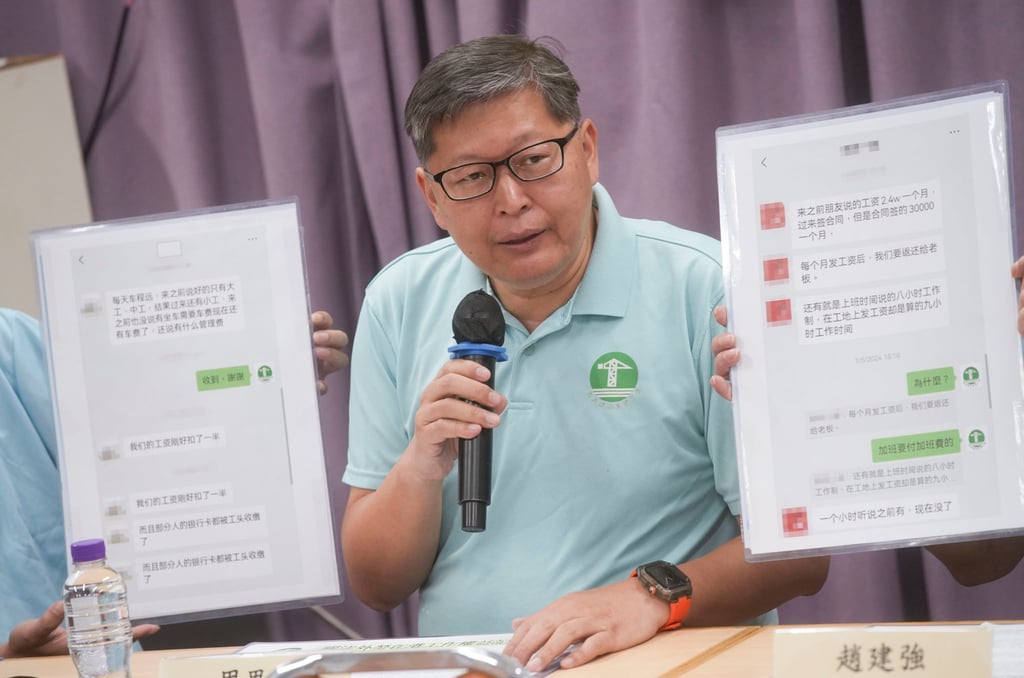
On the same programme, Chau Sze-kit, chairman of the Hong Kong Construction Industry Employees General Union, also suggested using high-strength concrete to fill the gaps.
While workers normally grout columns from the upper floors through an opening, Chau said the building’s structure or poor coordination might have prompted workers to grout from the side instead.
He said that the practice was not improper but experienced workers should have been able to detect the defective work sooner.
He added that contractors usually had contingency plans for such situations and would not leave the problem unresolved until such a late stage.
According to the Buildings Department, the substandard concrete columns did not pose a structural risk because temporary supports for the slabs remained in place and could only be removed after the engineer’s team was satisfied with the rectification works.
The MTR Corporation has instructed the project’s main contractor, Bouygues-Dragages Joint Venture, to suspend the remedial works. The corporation also said the main contractor would bear all related costs.
The Highways Department has demanded a detailed report from the MTR within two weeks, while maintaining the 2029 completion target for the Tung Chung line extension.
KioskNews shows a cleaned-up reading view extracted from the publisher’s page — the original always lives on their site, not ours.