Average 73% decline in wildlife population sizes between 1970 and 2022: WWF report
The LPI, produced by the Zoological Society of London, includes 35,803 population trends of 5,790 vertebrate species from 1970 to 2022.
The average size of monitored vertebrate — mammals, fish, birds and amphibians — populations declined 73% over 52 years between 1970 and 2022, according to the World Wide Fund for Nature (WWF) biennial Living Planet Report, 2026.
As part of the Living Planet Index (LPI), average changes in the size of wild populations of vertebrate species are measured over time, tracking variations in relative abundance rather than absolute numbers. This means that the size of these populations fell by, on average, 73% during the assessment period, and it does not reflect the number of individual animals lost, nor the number of populations lost.
Habitat loss and degradation, overexploitation of resources, climate change, impact of invasive species, pollution and disease are some of the dominant drivers of changes across ecosystems and wildlife populations, the Living Planet Report stated. The way the world produces and consumes food is the single largest driver of biodiversity loss. The food and agriculture system is the leading cause of habitat destruction, overharvesting, and a major source of greenhouse gas emissions.
Even as the report noted the declining trends in wild populations, it also noted that nature can recover if society follows a clear pathway to trigger positive tipping points in the energy, food and finance systems that drive biodiversity loss. “The Living Planet Report 2026 is both a stark reminder of the scale of the biodiversity crisis and a message of hope. While the Living Planet Index continues to highlight significant declines in monitored wildlife populations, the report also shows that these declines are not inevitable,” said Ravi Singh, Secretary General and CEO, WWF-India.
“Species recoveries, including those of tigers in India and globally, demonstrate what sustained conservation action, collaboration and long-term commitment can achieve,” he added.
The LPI, produced by the Zoological Society of London, includes 35,803 population trends of 5,790 vertebrate species from 1970 to 2022. The strongest declines, 85%, were seen in freshwater ecosystems, followed by terrestrial ecosystems, at 69% and marine ecosystems at 59%. “Although the overall trend is negative due to the magnitude of the declining trends, half of the populations included in the LPI are stable or increasing,” WWF said.
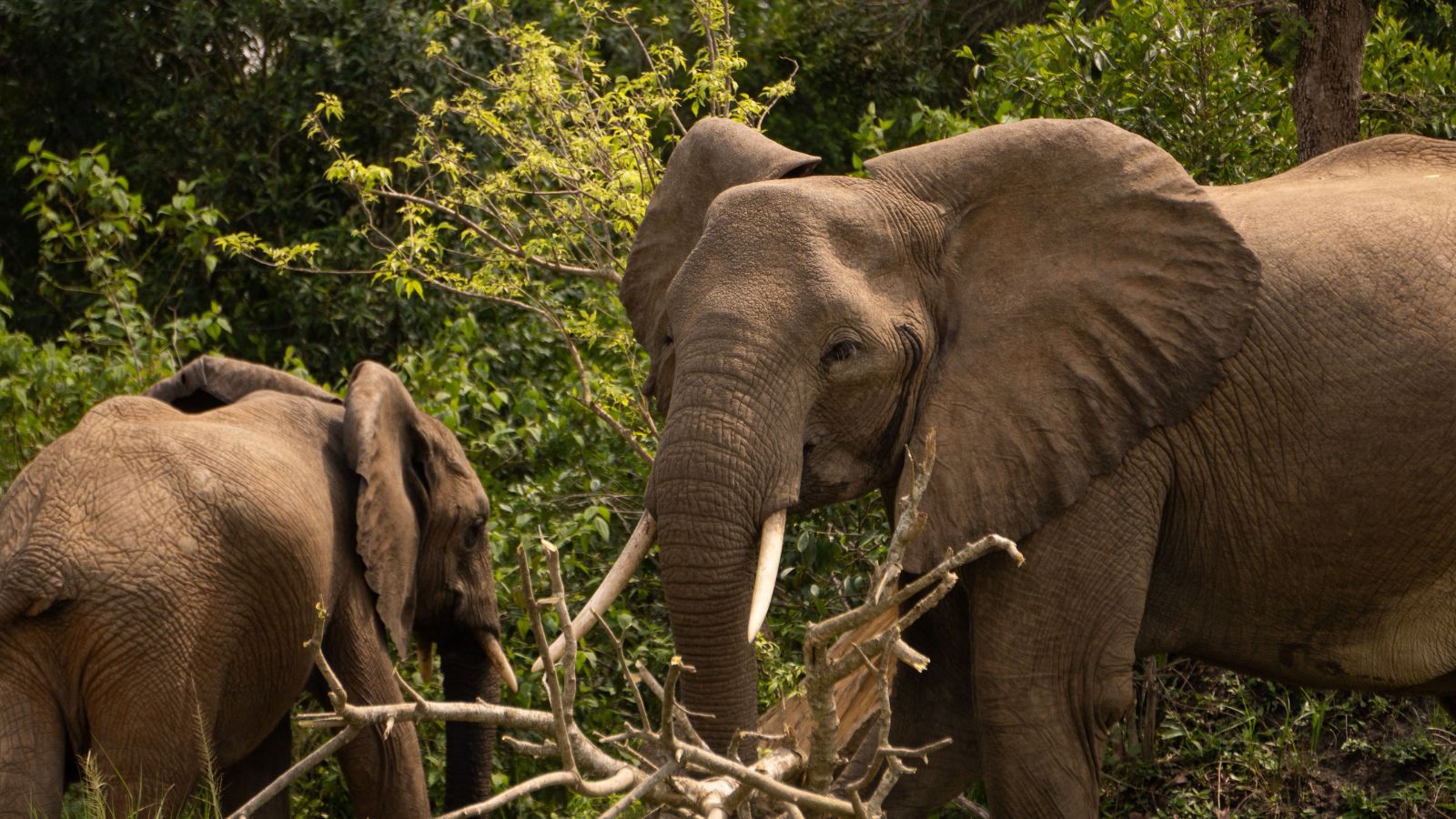
The report highlights recoveries in populations of green turtles, bluefin tuna, tigers and southern African elephants, which, it said, demonstrate that targeted conservation interventions can deliver proven results. The report noted rise in global wild tiger numbers between 2010 and 2025 — from 3,200 to around 5,700 individuals.
© The Indian Express Pvt Ltd

An award-winning journalist with 14 years of experience, Nikhil Ghanekar is an Assistant Editor with the National Bureau [Government] of The Indian Express in New Delhi. He primarily covers environmental policy matters which involve tracking key decisions and inner workings of the Ministry of Environment, Forest and Climate Change. He also covers the functioning of the National Green Tribunal and writes on the impact of environmental policies on wildlife conservation, forestry issues and climate change. Nikhil joined The Indian Express in 2024. Originally from Mumbai, he has worked in publications such as Tehelka, Hindustan Times, DNA Newspaper, News18 and Indiaspend. In the past 14 years, he has written on a range of subjects such as sports, current affairs, civic issues, city centric environment news, central government policies and politics. ... Read More
KioskNews shows a cleaned-up reading view extracted from the publisher’s page — the original always lives on their site, not ours.