71 Years Later, Matt Dillon’s Opening Line In Gunsmoke Hits Even Harder

Cathal Gunning has been writing about movies, television, culture, and politics online and in print since 2017. He worked as a Senior Editor in Adbusters Media Foundation from 2018-2019 and wrote for WhatCulture in early 2020. He has been a Senior Features Writer for ScreenRant since 2020.
While the opening lines of Gunsmoke’s pilot episode are a historic part of TV’s evolution, the specific quote that introduces James Arness’s US Marshal Matt Dillon is uniquely haunting 71 years later. The audacious experimentation of shows like ABC’s police procedural NYPD Blue can sometimes lead viewers to assume, entirely erroneously, that all classic TV shows were both family-friendly and morally black and white.
Admittedly, when viewers in 2026 can watch The Shield’s crooked cops Shane Vendrell and Vic Mackey coerce confessions, plant evidence, intimidate juries, and even kill suspects, it’s fair for these audience members to feel like Dragnet’s vision of the police is pretty comically idealistic. However, there was plenty of relative grit and brutality in classic TV shows of the 60s and 70s, as evidenced by the seminal war drama Combat.
Combat didn’t flinch away from the harsh realities of fighting in World War II, and the show’s cavalcade of notable guest actors didn’t make its tone any less downbeat and brutally sad. The war series was nowhere near as violent as later hits like China Beach, Band of Brothers, or Generation Kill, but Combat was just as heartbreaking and grim. Similarly, the long-running Western series Gunsmoke’s very first lines proves the show was far darker than viewers might assume.
Matt Dillon’s First Line In Gunsmoke Sets Up The Entire Series

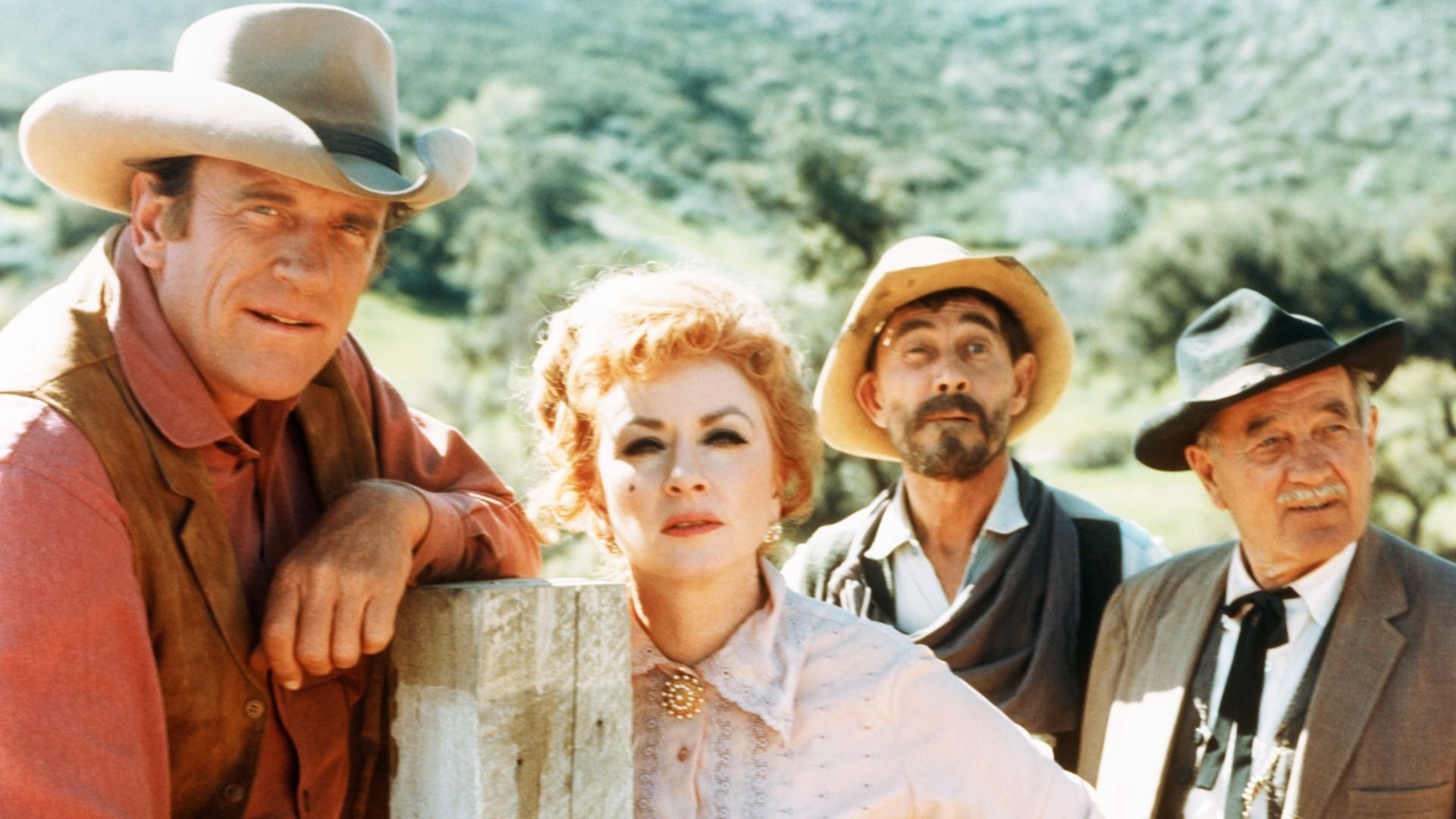
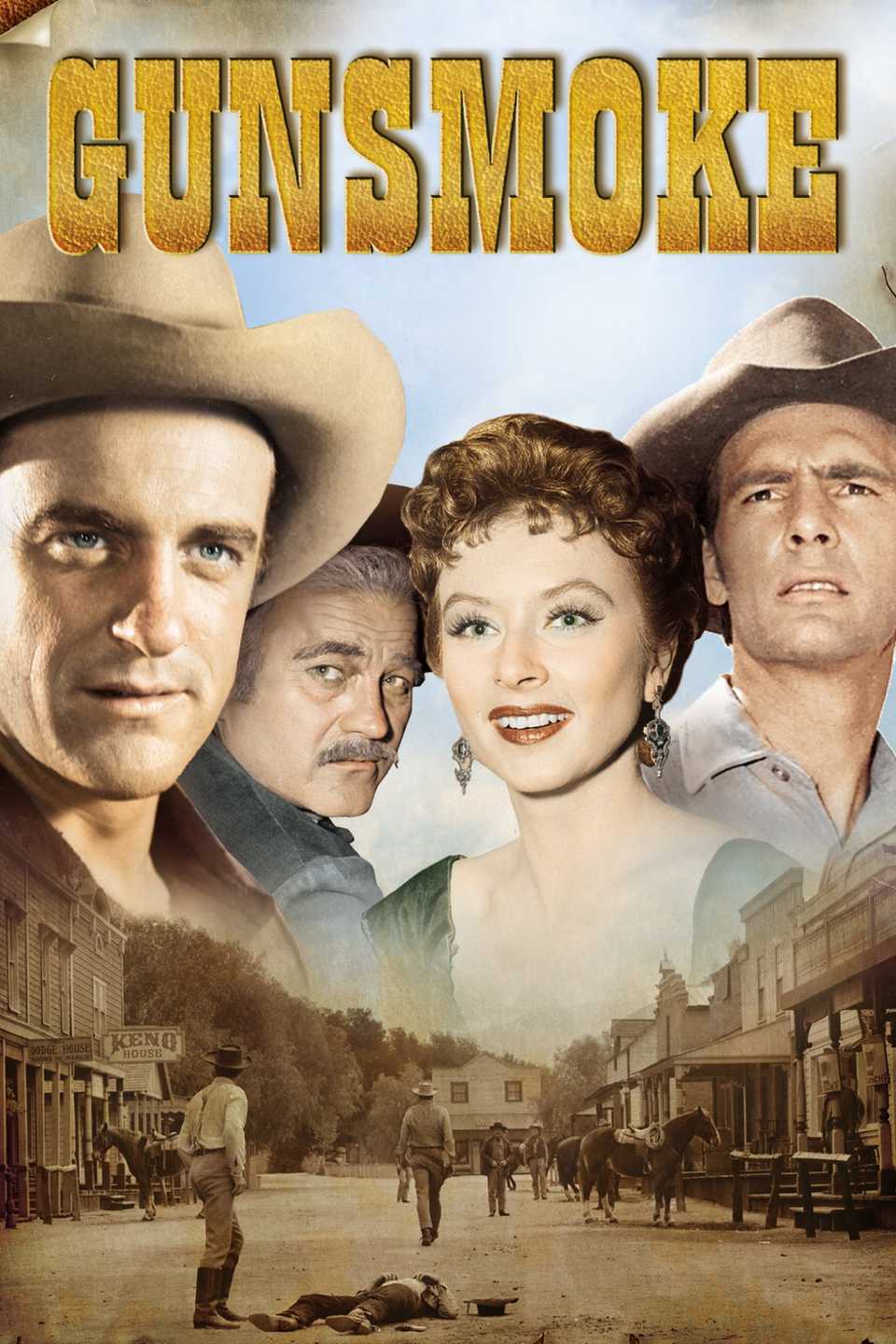
Starring James Arness as US Marshal Matt Dillon, Gunsmoke lasted an astounding 20 seasons, airing a total of 635 episodes between 1955 and 1975. Since the pilot episode was introduced by none other than John Wayne himself, viewers might be forgiven for assuming the show offered a cheery, cheesy image of the Old West in line with Little House on the Prairie or The Waltons.
However, those viewers would be dead wrong. While the show was hardly on par with Taylor Sheridan’s Yellowstone franchise in terms of its grit, Gunsmoke shared that later Western show’s dim view of human nature, as evidenced in its opening monologue. Dillon walks through the titular town’s graveyard and thinks, via voiceover, "I try to remember that, if they argued a little, they may not be here. Arguing doesn't fill any graves. Take me, I'm a U.S. Marshal. How many times I'd rather have argued than gone for guns?”
Dillon’s speech continues with an introduction to the show’s setting. He intones, “Take Dodge City over here. 'Gomorrah of the Plains' they call it. Jump-off spot. People coming and going all the time, good, bad and worse. Tempers high. A man'll draw his gun quicker to prove a point than he'll draw on his logic. That's where I come in, whether they like it or not. When they draw their guns, somebody's got to be around. Somebody on the law side and lord know they hate that.”
Set in Dodge City in the years after the Civil War came to a close, Gunsmoke followed Dillon’s attempts to lay down the law in this dusty outpost. As much of an influence on modern Western shows like Yellowstone as Sheridan’s favorite miniseries Lonesome Dove, Gunsmoke could be surprisingly grim and brutal in its handling of crime and punishment.
There were instances of child abuse, murder, mass shootings, and torture throughout the show, most notably in the highly controversial season 3, episode 21, “The Cabin.” With a plot that could have been lifted from an outing of FX’s later R-rated Western cop show Justified, this stomach churning episode proved that Gunsmoke was no wholesome, nostalgic vision of an idealized Old West, and readers should proceed with caution before seeking out a full plot summary.
Gunsmoke’s Attitude To Death Cuts Deeper Than Any Other TV Western
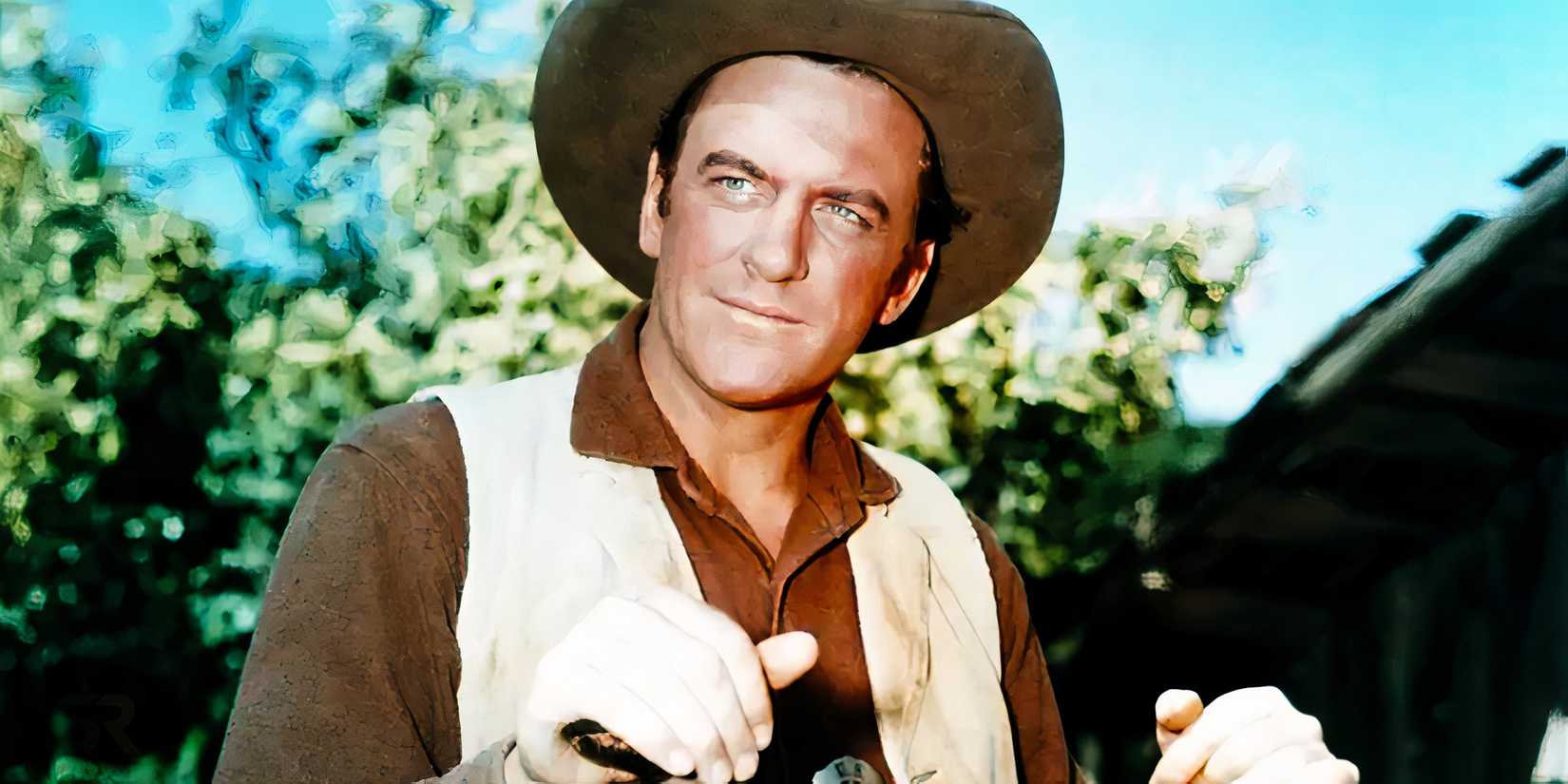
Even as far back as this pilot episode, the aptly titled “Matt Gets It,” Gunsmoke never hid its dark narrative edge. In a plot twist that had a clear influence on HBO’s incredibly brutal R-rated Western series Deadwood, Dillon is outgunned and shot in the show’s very first episode, and almost bleeds to death thanks to a minor outlaw’s bullet.
In the decades that followed, revisionist Western movies like The Wild Bunch, The Outlaw Josey Wales, and Unforgiven deconstructed the satisfying, clean violence of classic Westerns, replacing it with the morally grey, messy, tragedy of real-life death. However, as early as Gunsmoke’s first episode, the small-screen Western never shied away from the unglamorous reality of the Old West, despite the other oversights that the series could rightly be criticized for failing to address.
- Release Date
- 1955 - 1975-00-00
- Directors
- Andrew V. McLaglen, Harry Harris, Ted Post, Bernard McEveety, Vincent McEveety
- Writers
- John Meston, Charles Marquis Warren, Paul Savage
KioskNews shows a cleaned-up reading view extracted from the publisher’s page — the original always lives on their site, not ours.