New urine test detects 95% of bladder cancer cases in study: What patients should know
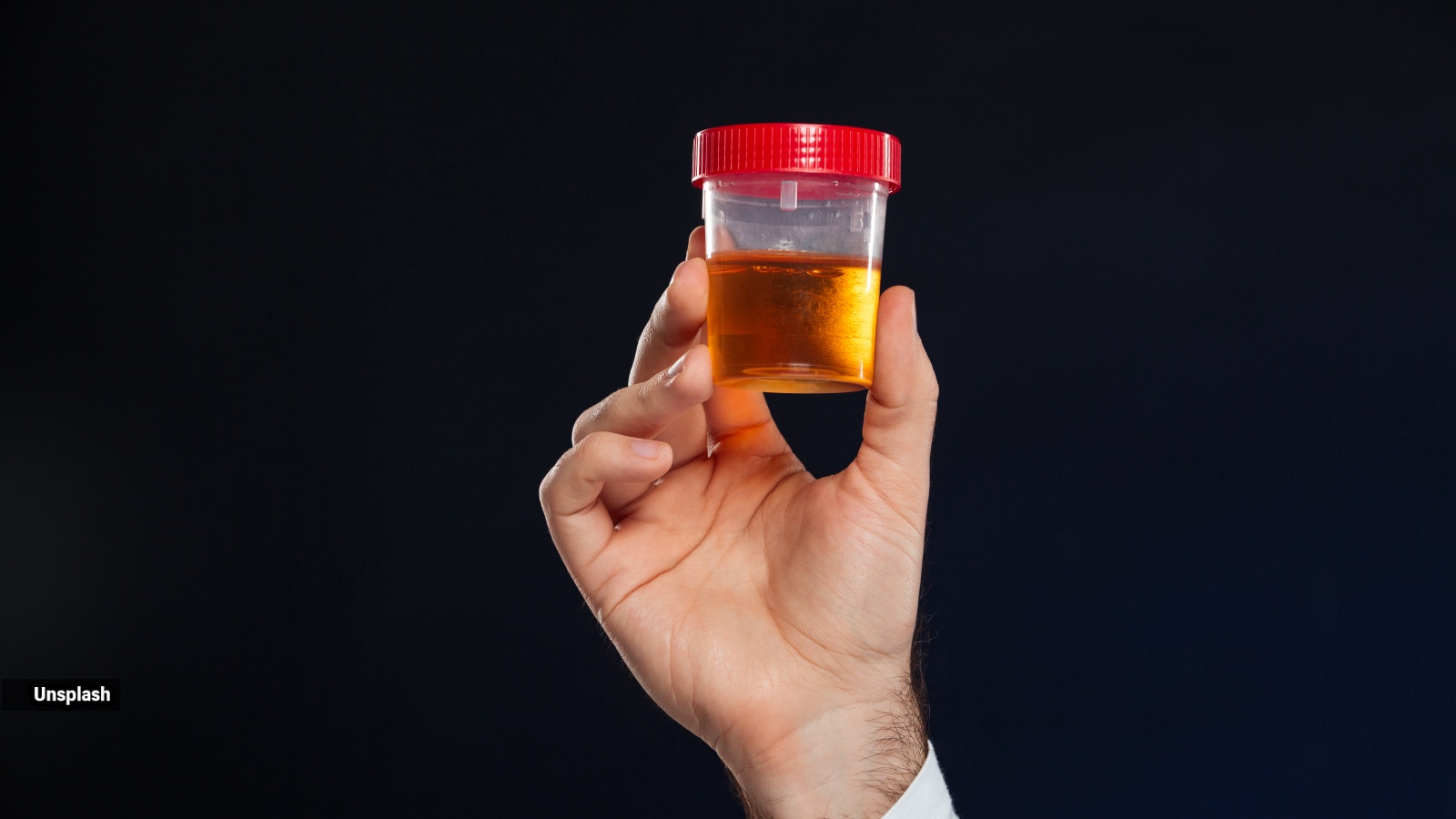
Could a simple urine sample help detect bladder cancer without immediately putting patients through invasive tests? Researchers are exploring this possibility with a new technique that analyses tiny genetic molecules in urine to identify signs of cancer.
A proof-of-concept study published in Nature Medicine on October 2, 2026, found that the test could detect 95 per cent of bladder cancer cases among the samples studied, including those at an early stage. The researchers analysed samples from 515 cancer patients and healthy individuals.
Unlike conventional liquid biopsy tests that largely look for DNA released by tumours into the blood, this technique focuses on RNA, a molecule that carries information about which genes are switched on and how cells are functioning.
The findings are particularly interesting because urine comes into direct contact with the bladder. This means it can carry molecular clues released by cancer cells, potentially making it a useful sample for detecting the disease.
DISCLAIMER: This article is based on information from the public domain and/or the experts we spoke to. Always consult your health practitioner before starting any routine.
The test may also offer information about the type of tumour and the risk of cancer returning after treatment. Researchers are further exploring whether the same technique could help identify kidney and prostate cancers.
However, the technology is still in its early stages and is not yet available for routine clinical use. To understand what the findings mean for patients and how close we are to having such a test, we spoke to Dr Sheeba Santhmayer, Consultant Radiation Oncologist at TGH ONCO LIFE Cancer Centre, Talegaon.
Story continues below this ad
How does the new urine test detect bladder cancer?
 Unlike conventional diagnostic approaches, this technique may offer a non-invasive way to detect cancer through a simple urine sample
The test works by analysing tiny RNA molecules floating in urine. RNA carries information about cell activity, including which genes are switched on. Changes in these patterns can help researchers identify signs of cancer.
“The test works by analysing cell-free RNA molecules present in urine. These RNA molecules carry information released by cancer cells and can help identify changes associated with bladder cancer.” Dr Santhmayer tells indianexpress.com.
Unlike conventional diagnostic approaches, this technique could offer a non-invasive way to detect cancer through a simple urine sample. It may also provide information about the tumour type and risk of recurrence, making it potentially useful for future diagnosis and monitoring.
What does 95 per cent sensitivity mean, and why is it important?
The study reported 95 per cent sensitivity — in simple language, the test detected 95 out of every 100 bladder cancer cases in the study population. Its ability to identify early-stage disease is particularly encouraging.
Story continues below this ad
“A sensitivity of 95 per cent is an encouraging finding, as it suggests that the test was able to identify most bladder cancer cases among the participants studied,” says Dr Santhmayer.
“Its ability to detect early-stage disease is particularly important because early diagnosis can improve treatment outcomes and provide patients with more options,” she adds.
However, the findings need to be validated in larger and more diverse patient populations before doctors can establish how accurately the test performs in routine clinical practice.
It is also important to understand that 95 per cent sensitivity does not mean the test is 95 per cent accurate overall. It does not tell us how often the test might incorrectly flag cancer in people who do not have the disease.
Story continues below this ad
Could this test reduce the need for invasive procedures such as cystoscopy?
One of the biggest potential advantages of this technology is that it could help doctors identify patients who are “more likely” to have bladder cancer through a urine sample, without immediately subjecting everyone to invasive investigations.
“This may help reduce unnecessary invasive investigations in selected patients in the future,” explains Dr Santhmayer.
However, cystoscopy remains an important diagnostic procedure. It involves inserting a thin tube with a camera through the urethra (the tube through which urine leaves the body) to examine the inside of the bladder and identify suspicious growths.
“The urine test would need further clinical validation before it could be considered an alternative or a reliable tool to guide decisions about cystoscopy,” she clarifies.
Story continues below this ad
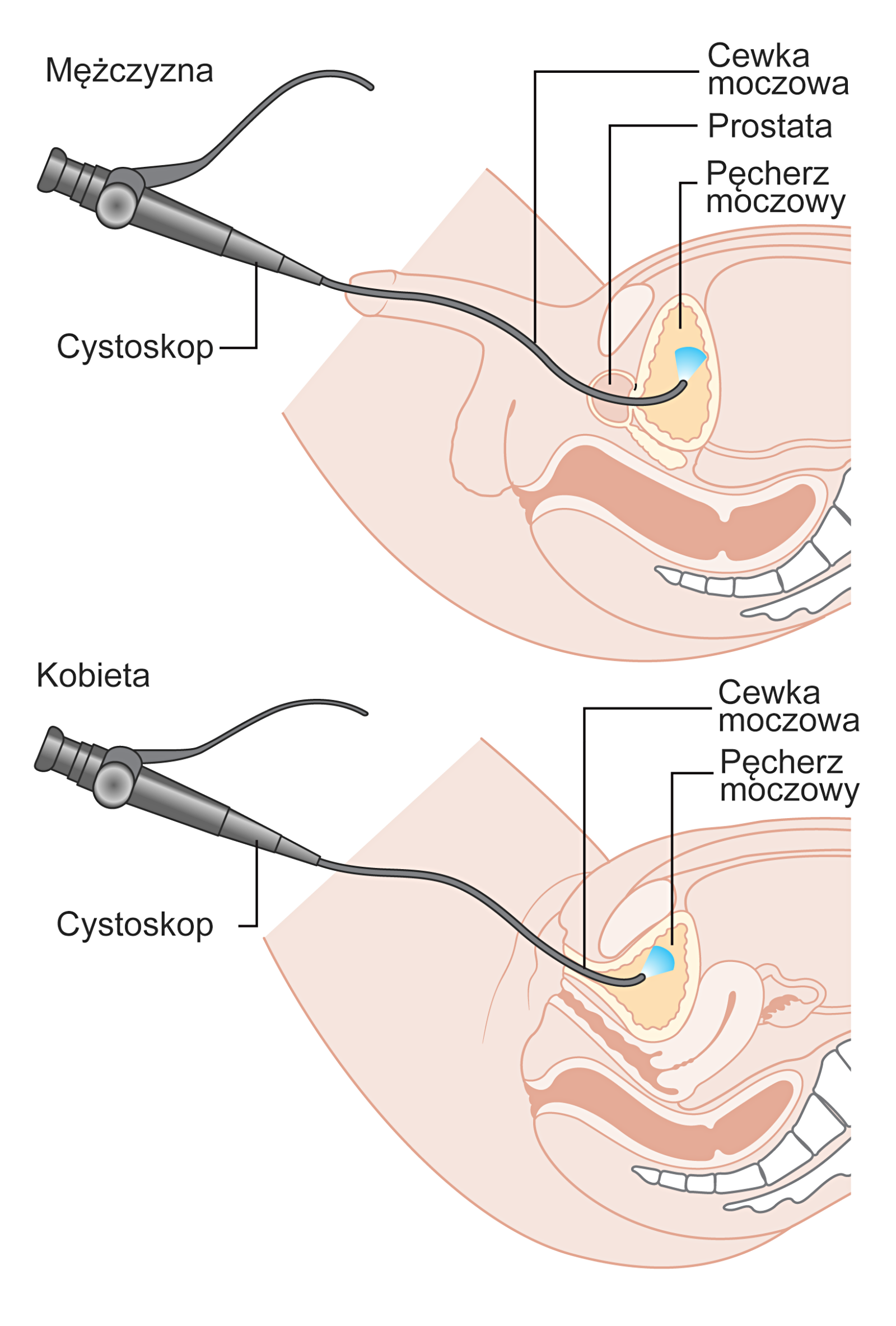 Cystoscopy remains an important diagnostic procedure because it allows doctors to directly examine the bladder and identify suspicious growths
Can the same technology detect kidney and prostate cancers?
Researchers are also exploring whether analysing RNA in urine could help detect other cancers, including those of the kidney and prostate.
“This is one of the interesting possibilities emerging from the research. Urine contains genetic material released by cells from different parts of the urinary and reproductive systems,” says Dr Santhmayer.
“Researchers identified tumour-related RNA signals associated with bladder, kidney and prostate cancers. This opens up the possibility of developing non-invasive tests that can detect multiple urological cancers.”
However, these findings are still preliminary. Separate studies will be needed to establish how accurately the technique can detect each of these cancers and whether it can be used reliably in clinical settings.
Story continues below this ad
When could this test become available to patients?
Despite the promising results, the technology is still at the research stage and is not ready for routine clinical use.
“Although the initial findings are encouraging, larger prospective studies involving diverse patient populations are needed to confirm its accuracy and reliability,” Dr Santhmayer notes.
Researchers must also establish how well the test performs in people with urinary infections, other benign urinary conditions and different stages of cancer. Regulatory approvals and standardisation of testing methods will also be necessary before it can become widely available.
“This research is an encouraging step towards making cancer detection less invasive and potentially more accessible,” she says.
Story continues below this ad
However creating unrealistic expectations around the findings would be wrong. “Such tests should complement established diagnostic methods until their clinical effectiveness is firmly established. Early detection, timely medical consultation and appropriate investigations remain essential in improving cancer outcomes.”
DISCLAIMER: This article is based on information from the public domain and/or the experts we spoke to. Always consult your health practitioner before starting any routine.
KioskNews shows a cleaned-up reading view extracted from the publisher’s page — the original always lives on their site, not ours.