Mood-boosting benefits of birdsong drowned out by traffic noise, study finds

Hearing the trill or whistle of a bird while going about daily life is well known to boost people’s mood. But a new study suggests the psychological benefits of hearing birdsong are being threatened by traffic noise.
Researchers found that even low levels of traffic noise negatively affected the benefits to wellbeing that could otherwise be derived from listening to natural sounds.
Bird song has previously been associated with psychological benefits, including stress reduction and positive mood changes, while noise from traffic has been linked to both stress and annoyance.
“Bird sounds tend to be one of the elements of nature soundscapes that people perceive as being most relaxing, most pleasant, beneficial for them psychologically,” said Dr Eleanor Ratcliffe, associate professor in environmental psychology at the University of Surrey, and co-author of the study published in People and Nature.

The study involved more than 1,500 participants who listened to nine simulated soundscapes consisting of both birdsong and traffic noise and were asked questions about how they made them feel.
“We set up the study with the interest of looking at these differences in the objective properties of the soundscape, these levels of acoustic complexity that relate to different levels of biodiversity,” Ratcliffe said. “And our hypothesis was that these would lead to different effects on wellbeing and restoration and stress recovery.”
However, listening to birdsong was found to have a psychological benefit, irrespective of its acoustic characteristics. “It shows us that we should support and protect nature for the sake of nature, regardless of whether or not humans have some increased utility benefit from it,” said Ratcliffe.
In comparison, the presence of traffic noise negatively affected the psychological benefits of nature’s sounds. Analysis of complementary heart rate measurements on a group of participants showed significantly lower variability for those listening to soundscapes including traffic noise, indicating a greater physiological stress response.
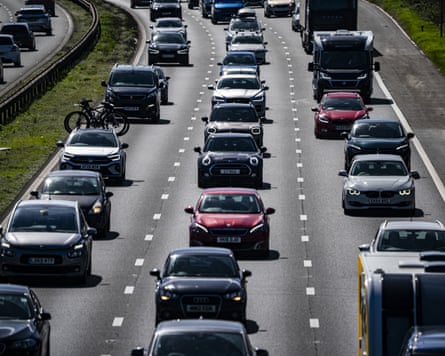
The negative effect was found to be more evident when the acoustic characteristics of soundscapes were at high levels, something which may be attributed to overstimulation.
Researchers also analysed how differently aged participants responded. Younger participants reported higher feelings of wellbeing than their older peers, something suggested to result from their better hearing and enhanced acoustic experience.
Interestingly, the researchers found that greater feelings of wellbeing were recorded when participants perceived greater diversity in the types of birds they were listening to. This increased for participants who claimed greater knowledge of birds, suggesting perceptions of bird species richness may boost the benefits.
The work has design implications, the researchers said. “With urban planning now including more green spaces it is important that steps are taken so that people enjoy such areas to their fullest,” said Ratcliffe.
Suggested measures to minimise traffic noise include reducing speed limits and increasing the density of ground-level vegetation around parks. The study also has implications at an individual level. “Listening to birds is quite an accessible way to engage with nature. So, I think it’s something that people can do without a lot of effort,” she added.
KioskNews shows a cleaned-up reading view extracted from the publisher’s page — the original always lives on their site, not ours.