Achimota, five other SHSs pilot waste segregation, clean-air initiative
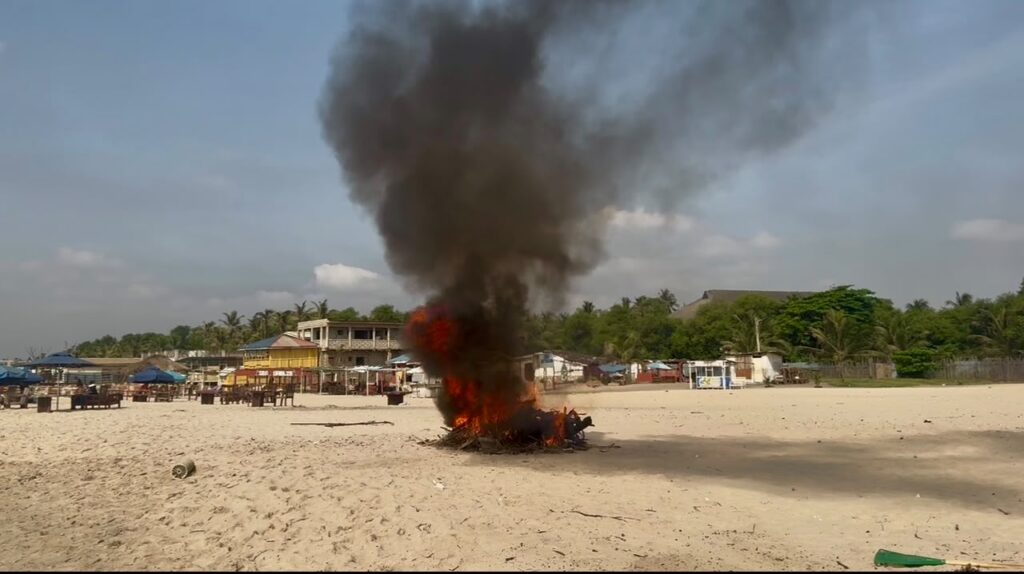
Six Senior High Schools in the Greater Accra Region are piloting a new initiative to improve waste segregation, reduce open burning and promote cleaner air in schools.
The Schools for Clean Air and Waste Segregation (SCAWS) project is being led by Impact Footprints Africa (IFA) with support from the Clean Air Fund and in partnership with the Ghana Education Service (GES).
The six schools are Achimota School, Accra Academy, Wesley Grammar School, St. John’s Grammar School, St. Mary’s Secondary School and Westfield Bridge College.
The project was launched at Achimota School on September 7, 2026, to mark the International Day of Clean Air for Blue Skies.
Country Lead of the Clean Air Fund, Desmond Appiah, said the project is designed to test a practical model that can eventually be introduced in other schools.
“The main goal of this project is to end up with a model that works, that can be scaled to other schools. We want to promote waste segregation, prevent waste burning, improve composting of organic waste and collect recyclables, while also bringing in informal and circular economy actors.”
He said the project goes beyond simply providing waste bins, with students, teachers, school management and other stakeholders expected to play an active role.
Mr Appiah said this is particularly important because waste burning remains a challenge in some schools and exposes students and surrounding communities to air pollution.
“If we are able to inculcate in our students the importance of air quality, waste segregation and the circular economy, they will carry that along for the rest of their lives. Most importantly, we are forming the minds,” he said.
Executive Director of Impact Footprints Africa, Alice Winnimi Tuoho, said students would be at the centre of the initiative.
“At Impact Footprints Africa, we believe a sustainable future is built one practical habit at a time. We believe students are the true custodians of this project, and the habits they build today will enable them to drive the future we all look for in terms of maintaining a clean and sustainable environment.”
The project will introduce waste segregation systems, promote composting and school gardening, and strengthen environmental education and student eco clubs.
Director in charge of School Health Education at GES Headquarters, Theresa Oppong Mensah, welcomed the initiative, saying it would complement existing efforts by the Education Service to promote cleaner and climate-smart schools.
She said plastic waste was becoming a major challenge for schools, while organic waste could instead be turned into compost for school gardens.
“So your project is coming to augment what we have started already. GES is ready to host this project and ensure that it becomes sustainable. We need to make sure that clean air and responsible waste management become a culture in our schools and a value carried by our learners into their homes and communities.”
The organisers say lessons from the six pilot schools will be used to develop a model that can be scaled up to other schools across the country.
This story was a collaboration with New Narratives. Funding was provided by the Clean Air Fund, which had no say in the story’s content.
DISCLAIMER: The Views, Comments, Opinions, Contributions and Statements made by Readers and Contributors on this platform do not necessarily represent the views or policy of Multimedia Group Limited.
Tags:
DISCLAIMER: The Views, Comments, Opinions, Contributions and Statements made by Readers and Contributors on this platform do not necessarily represent the views or policy of Multimedia Group Limited.
KioskNews shows a cleaned-up reading view extracted from the publisher’s page — the original always lives on their site, not ours.