At #MoveCebu forum, Cebuanos define what a liveable city should be
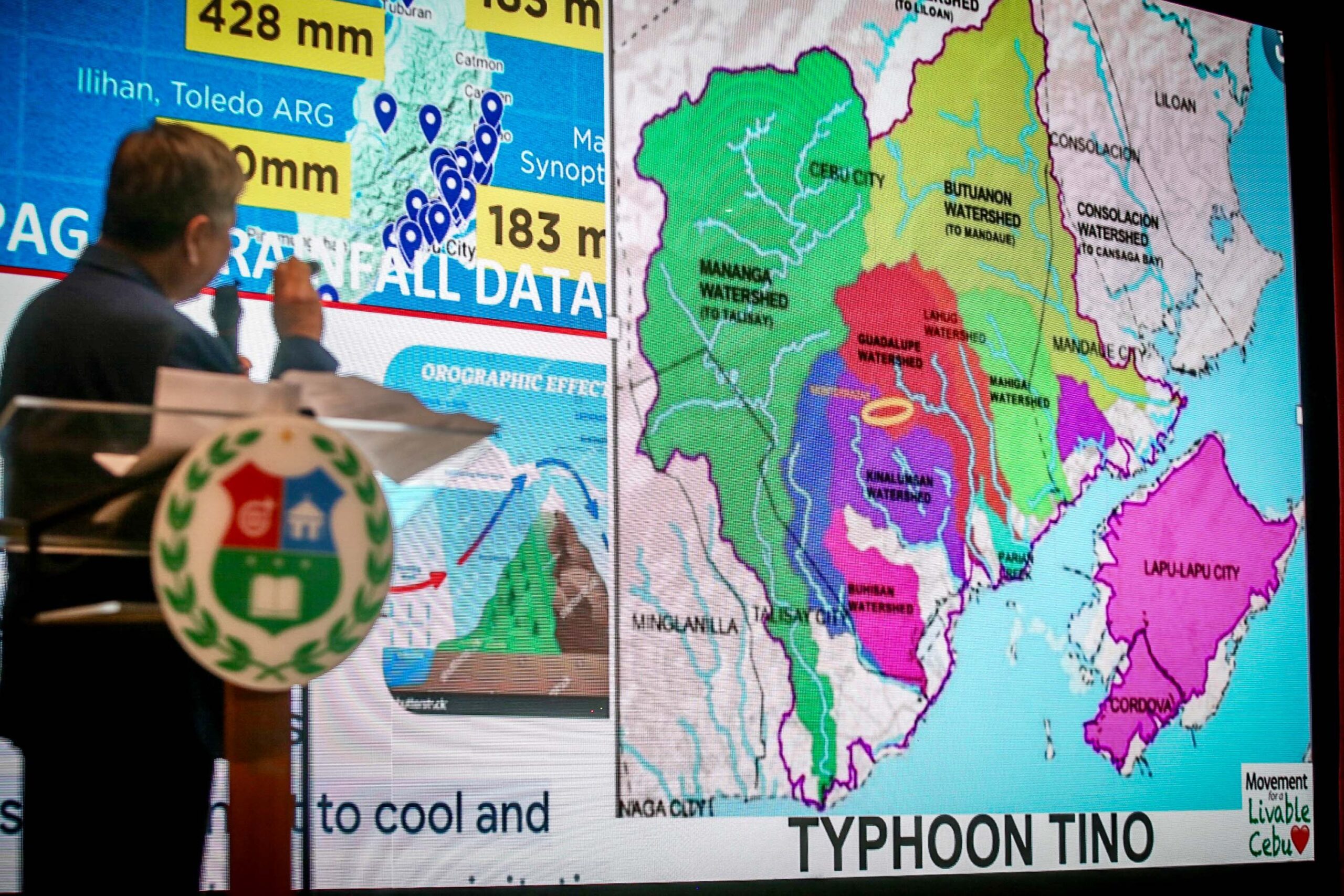
- Yumi Espina emphasized the need for a collective approach to address the liveability challenges in Metro Cebu, highlighting issues like waste management and flooding.
- The forum gathered over 200 participants who discussed factors contributing to a liveable city, including stability, healthcare, culture, education, and infrastructure.
- Community leaders stressed the importance of including marginalized groups in discussions about urban development and ensuring that no one is left behind in the pursuit of a liveable Cebu.
This is AI-generated. Read the article for full context. Report any errors.
CEBU, Philippines – “If we want a liveable Cebu, we need to stop thinking as only a city but start thinking we are a Metro Cebu,” Yumi Espina, convenor of the Movement for Liveable Cebu said during the Sugbo Alang Sa Sugbuanon (Cebu for Cebuanos) public forum on Wednesday, October 14.
Espina shared his idea during the #MoveCebu roadshow at the University of San Carlos (USC) in Cebu City where more than 200 participants from civil society groups, youth-led initiatives, and academe gathered to get a better understanding of what makes liveable city.
Espina premised his statement amid the ongoing environmental and societal challenges Cebu has been facing, from waste management issues following the Binaliw landfill incident to struggles brought by heavy flooding in the metropolitan’s major urban and residential hubs.
“This forum was almost canceled because of the suspension of classes that was announced by the city mayor, ironically, because of poor air quality in so perhaps, it is one of the underlying causes why we must reflect on the issue of liveability,” Owen de La Victoria, OIC chair of the USC Department of Political Science, said in his welcome remarks.
In the days leading to the forum, the air quality in Metro Cebu dropped to very unhealthy levels due to localized emissions, made worse by unfavorable weather conditions, according to the Environmental Management Bureau in Central Visayas.
Espina listed the five major factors that make cities liveable: stability, healthcare, culture and environment, education, and infrastructure. Climate change and urbanization are the ultimate challenges to liveability, the architect said.
“We experience flooding not just because rain is heavy but because urbanization has changed our waterways,” he added, citing the experience of La Paloma Village in Barangay Labangon in Cebu City which became a catch basin because of urbanization.
Espina presented the recommendations of the Cebu City Comprehensive Land Use Plan (CLUP). The CLUP recommended the creation of a mass transit line, a “green belt” along the metropolitan’s major watersheds, and a “green loop” for the shift of urban development wherein urbanization moves eastward from the capital to Mactan Island.
The problem, Espina lamented, is that civil society groups are often left out in the discussions of developmental policies that the government and private sector typically have.
“What we need is a genuine partnership among government, business, and civil society, and an engaged citizenry that is willing to participate, speak up ,and hold institutions accountable,” Espina stressed.
As a reactor, Cebu City Councilor Joel Garganera conceded that the city government could have done so much more in promoting liveability with better planning and management.
“We are like in a dark room — blind and looking for a path out,” he said.
Defining a liveable Cebu
When asked how they would define liveable Cebu, speakers, reactors, and concerned citizens responded during the forum and on Muni in the Rappler app.
On the app, resident Asia Katrinah Atendido said that a liveable Cebu should be walkable, with walkable sidewalks that are not only used to park cars or any vehicles, serving the people and not vehicles
For University of the Philippines Cebu student Crispin Ginicez Caballero, a liveable Cebu would have continued improvement, expansion, and proper implementation of public transportation initiatives.
UP College of Communication, Art, and Design Dean Crina Tañongon emphasized the significance of empowerment in pushing for a liveable Cebu, adding that the academe must ensure that learners have the space to develop critical thinking.
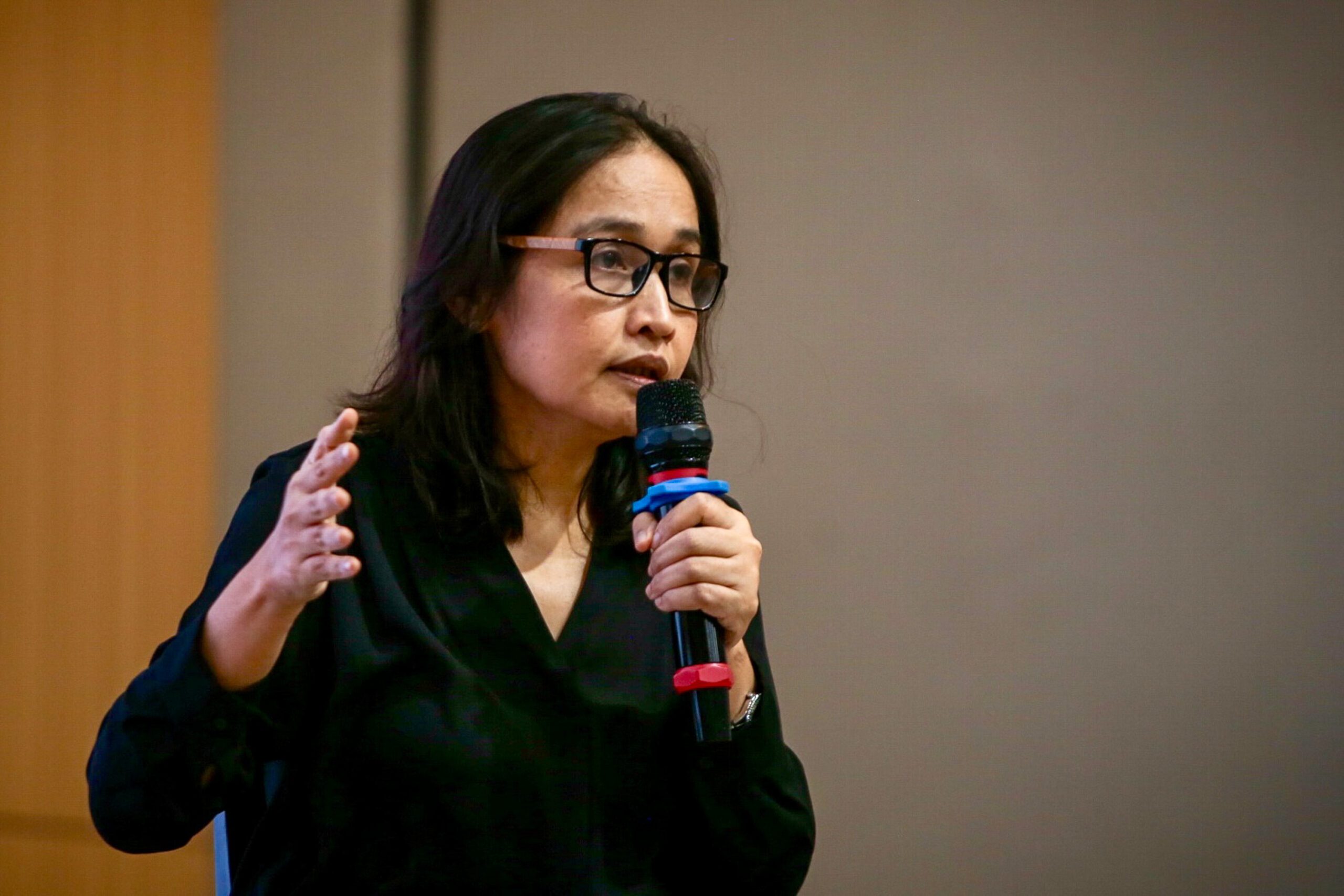
Community leaders present during the forum pointed out how much of the lived realities of struggling Cebuanos showed a “grim picture” of the metro’s direction towards liveability.
Rebecca Herbese of Pangisda Cebu pointed out that small fisherfolks in Lapu-Lapu City struggled to find their own space amid campaigns for land reclamations and the presence of large fishing vessels within municipal waters.
“Mahimo lang liveable ang atong lugar karon kung ang atong mga katawhan dili na mag-antos sa kalisod (A place can only be considered liveable if the people no longer suffer from hardships),” Herbese said.
Joan Lucañas of urban poor rights group SILHIG said that Mandaue City residents feel left out in consultations for resettlement programs. She stressed the importance of creating a liveable city with the urban poor being seen as part of the population rather than a hindrance to the interests of developers.
United Fisherfolks and Urban Poor of Cebu City coordinator Lourdes Bueza asked: “Is empowerment just for the educated? Are the poor to be left out in that empowerment Cebu wants?”
“Ang liveable Cebu kay kanang wala mabiyaan (A liveable Cebu is one where no one is left behind),” Bueza said.
Rappler’s managing editor Miriam Grace Go shared the importance of putting community at the center of a city’s campaign for liveability.
“Cebu has had citizens who have been courageous enough to study the masterplans, to talk to residents, to engage with the residents…they all tell us the necessities of consultations, planning, and action,” Go said.
Go hoped that Cebu’s experts, journalists, and concerned citizens would share the discussions on liveability questions outside Cebu.
“Rappler is here to expand the awareness of its all-citizens-approach…to bring Cebu’s experience onto a larger stage so the other regions and communities will see that these are the same liveability challenges they are facing,” Go added.
The forum was organized by MovePH, Rappler’s civic engagement arm, in partnership with the University of San Carlos, the University of the Philippines Cebu; and Cebu Citizens Initiative and Movement for Liveable Cebu. It was supported by the government of Canada through its Canada Fund for Local Initiatives and by the Journalism for Nation Building Foundation.
Rappler officially launched the #PadayonCebu chat room on Rappler’s Muni at the public forum. Join the conversation on making Cebu liveable here. – Rappler.com
KioskNews shows a cleaned-up reading view extracted from the publisher’s page — the original always lives on their site, not ours.