China is using Jiang Zemin centenary to signal political continuity
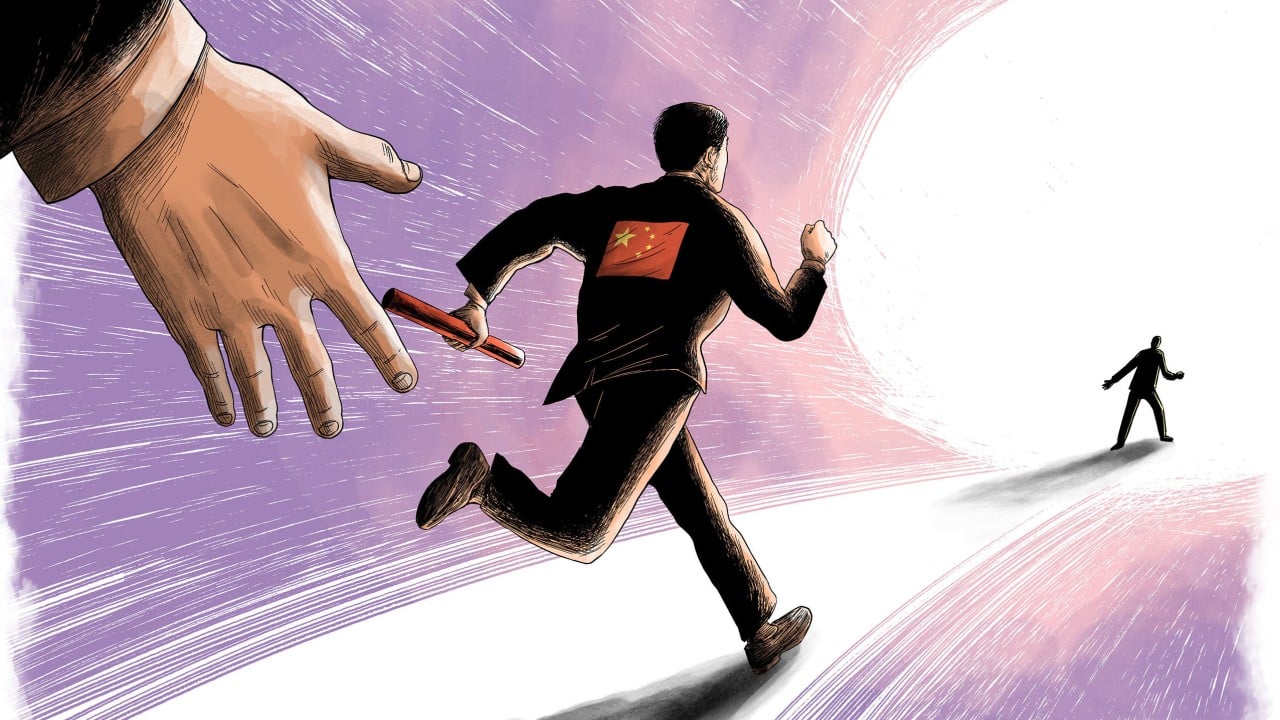
The centenary of Jiang Zemin’s birth, marked on August 17 with a memorial in Beijing attended and addressed by President Xi Jinping, was more than an occasion to commemorate a former Chinese leader. It was also an exercise in political history: a moment to locate Jiang, the era he led and the reform legacy associated with him within the broader story of the Communist Party of China’s evolution and China’s modernisation.
That is what makes the event politically significant. The question is not simply why China is commemorating Jiang so prominently. It is why the leadership has chosen this particular historical moment to reaffirm his place in the country’s political narrative and what that says about how Beijing views the road from reform and opening up to Chinese modernisation today.
Xi’s speech placed Jiang squarely within the history of the party, describing him as the core of the party’s third-generation central leadership and as a principal founder of the important notion of the “Three Represents”. It also highlighted Jiang’s contributions to reform and opening up, socialist modernisation and China’s development.
The formulation matters. It presents Jiang neither as an isolated political figure nor simply as the representative of a bygone era. Instead, it places him within a chain of political leadership and national development stretching across several decades.
For China’s leadership, historical continuity has considerable political importance. The reform era was not a single event but a succession of experiments, adjustments and institutional changes undertaken by different generations of leaders. Jiang’s years in national leadership, particularly during the 1990s and early 2000s, coincided with one of the most consequential transformations in modern Chinese history: the consolidation of the socialist market economy, the acceleration of economic globalisation, the development of Pudong, the restructuring of state-owned enterprises and China’s accession to the World Trade Organization (WTO).
FULL EVENT: China commemorates centenary of former leader Jiang Zemin
Those developments fundamentally altered China’s relationship with the global economy. China moved from being a relatively marginal participant in international production and trade to becoming an increasingly central manufacturing and trading power.
KioskNews shows a cleaned-up reading view extracted from the publisher’s page — the original always lives on their site, not ours.