Houthis' Saudi Airport Attacks Pressure Trump To Boost US Role In Yemen
A barrage of drone and missile attacks on Saudi Arabia has intensified pressure on Washington to step up efforts to help its close ally battle Iran-backed Houthi militants in neighboring Yemen.
The devastating Houthi strikes on Riyadh's main airport over the weekend killed at least 16 people, including a US citizen, and wounded roughly 300 in the deadliest attack on the kingdom in decades.
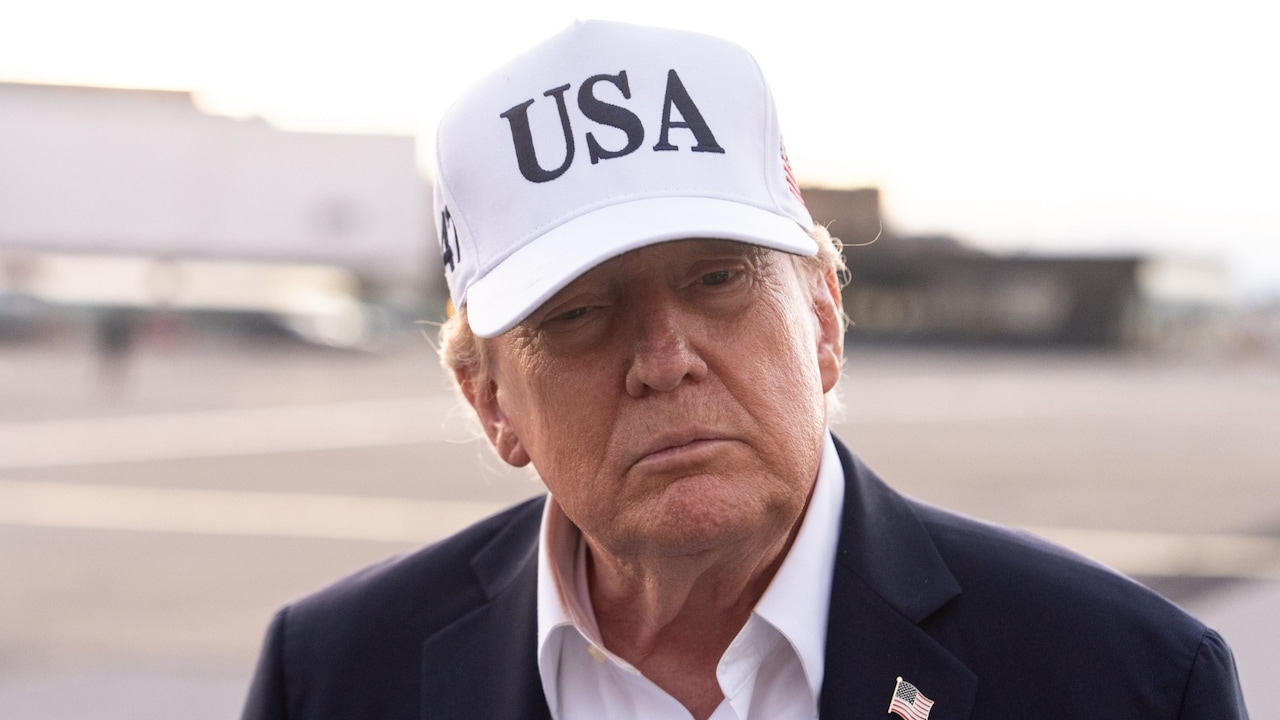
The US is already assisting Riyadh with intelligence, targeting and aerial refueling but has so far resisted direct involvement. The violence is now prompting the White House to reconsider how deeply to enmesh US forces, with President Donald Trump saying over the weekend that he would look into joining Saudi-backed strikes against the Houthis.
The latest flare-up in Middle East violence is poorly timed for Trump. His Republican Party already faces tough midterm election prospects after the Iran war raised oil prices and fueled cost-of-living worries at home. Houthi strikes on Saudi energy facilities, as well as ships in the Red Sea and the Bab el-Mandeb Strait, risk pushing energy costs up even more.
Trump is "in a difficult position here because Saudi Arabia really does need assistance," Natasha Hall, an associate fellow at Chatham House's Middle East program, told Bloomberg Television on Monday. "They know that probably the US president is stuck with the midterm elections coming up as well - it almost seems like they're being strategic in how they're playing this out."
The White House didn't immediately reply to a request for comment.
Trump separately dismissed concerns in a Truth Social post Monday that Russia and China might be helping Iran in its war with the US, saying that "if they are, it's at a very low level." China and Russia have maintained close ties with Iran for decades but have denied providing military assistance to Tehran in the conflict. There have, however, been reports of cooperation in weapons.
The Trump administration has been wary of getting drawn into another protracted conflict in the region or seeing the Iran war widen, particularly after decrying "forever wars" of past US administrations. Aiding offensive strikes could also jeopardize Washington's existing ceasefire with the Houthis, who are currently only targeting Saudi ships in the Bab el-Mandeb.
The lack of American offensive attacks against the Houthis has forced the kingdom to look to other allies to join its military operations alongside Yemen's internationally recognized government.
Riyadh is now desperately looking to the US as well as security partners across the region and Europe for further support, having grown frustrated with the limited assistance from its Western allies, according to people familiar with the matter. One possibility could be that the US provides air cover and more intelligence assistance around the strait and in areas of Yemen that are at risk of falling to the Houthis.
Saudi Arabia is likely pressing Washington for more air defense interceptors, but US involvement ahead of the midterms is unlikely to extend beyond further intelligence assistance, said Karen Young, a senior fellow at the Middle East Institute.
"There is no support domestically for US military action in Yemen and very little for Saudi military action - the Saudis are very much on their own," Young said.
The attacks have put pressure on Riyadh to retaliate forcefully against the Houthis. Yet the Houthis have endured years of Saudi and US bombing, and analysts disagree on how best to contain the group. Some say a negotiated settlement - rather than more fighting - is likely required to end the violence.
The escalating attacks also raise difficult questions for Saudi Arabia's new formal defense partners, Turkey and Pakistan, which have indicated a willingness to send only defensive support. Turkey has ruled out joining offensive operations.
The vulnerability of Saudi Arabia's air defenses, Houthi advances in Yemen and mounting civilian casualties are fueling anxiety across the region. Gulf allies fear further escalation may broaden the conflict beyond Saudi Arabia at a time when they're already at risk of being hit by Iran if the US chooses to resume its bombing campaign.
The US is now advising its citizens to avoid Riyadh's King Khalid International Airport and said its government employees require special authorization to use any airport in Saudi Arabia. US involvement may prompt the Houthis to step up attacks on Red Sea shipping, a move that would widen the economic fallout beyond Saudi Arabia, according to Ameneh Mehvar, an analyst with the Armed Conflict Location & Event Data monitoring group.
"With Riyadh promising retaliation and Washington weighing direct intervention, further airstrikes risk fueling another cycle of escalation rather than bringing the attacks to an end," Mehvar said.
"Previous Saudi-led and US air campaigns have failed to establish lasting deterrence against the Houthis, who have repeatedly demonstrated their willingness to sustain attacks despite significant military pressure," Mehvar said.
(Except for the headline, this story has not been edited by NDTV staff and is published from a syndicated feed.)
KioskNews shows a cleaned-up reading view extracted from the publisher’s page — the original always lives on their site, not ours.