China lashes out at Xinjiang ‘lie’ after US lawmaker urges Starbucks to close new stores
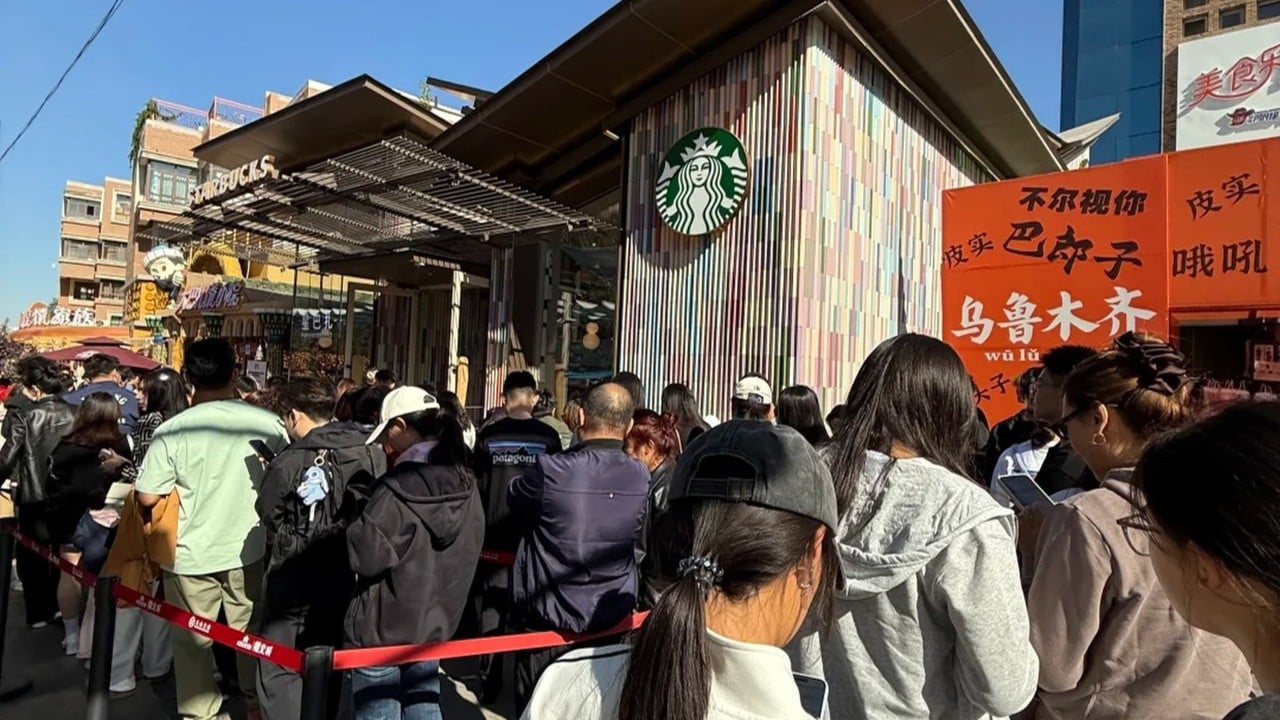
Beijing has hit back at a US lawmaker’s criticism of coffee chain Starbucks for opening its first stores in Xinjiang, rejecting the allegation that China has committed human rights abuses against the far-western region’s mostly Muslim Uygur population.
Foreign ministry spokesman Guo Jiakun on Saturday said claims of “genocide” in Xinjiang were a “blatant lie” and accused the “US group” who raised the suggestions of attacking Beijing for political purposes.
“Today’s Xinjiang enjoys social stability, economic prosperity, ethnic unity and religious harmony,” Guo said, adding that China would provide more opportunities for foreign businesses to invest and operate in the country.
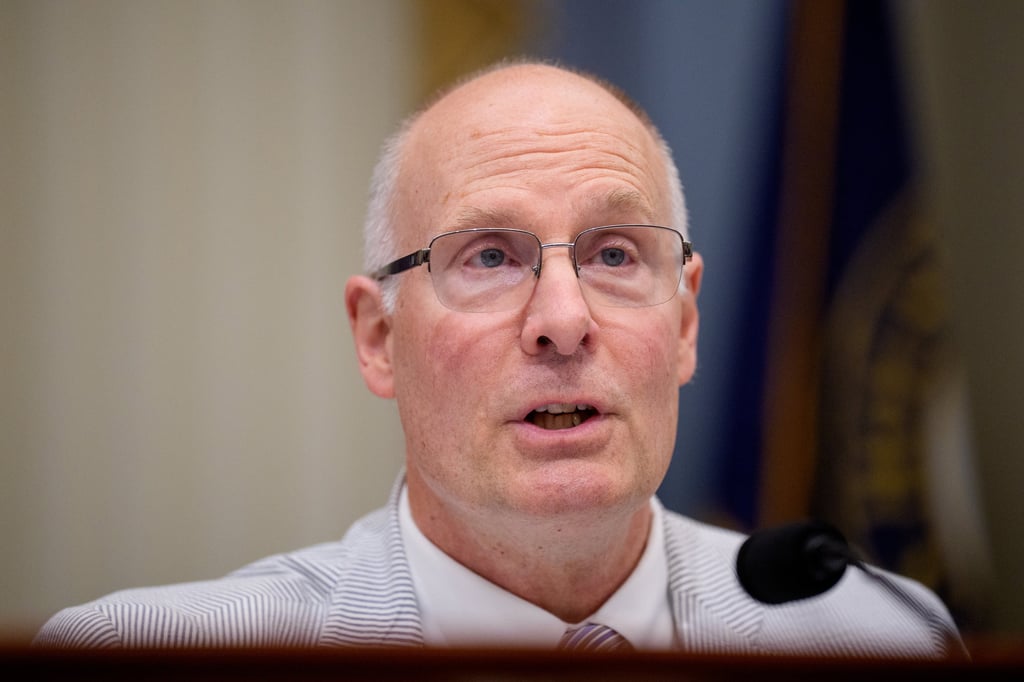
His remarks came after John Moolenaar, the Republican chairman of the US House Select Committee on China, urged Starbucks to close its newly opened outlets in Xinjiang.
“This is a shocking and morally bankrupt decision by a company that prides itself on social responsibility,” Moolenaar said on Thursday.
“There is no justifiable reason for an American company to do business in a region where the [Chinese Communist Party] has detained more than a million Uygurs and is stripping them of their faith, language and culture,” he said.
Last week, Starbucks opened two stores in Urumqi, the capital of Xinjiang, marking the coffee chain’s entry into the region. One is located in the city’s Grand Bazaar tourist area and the other at Urumqi Tianshan International Airport.
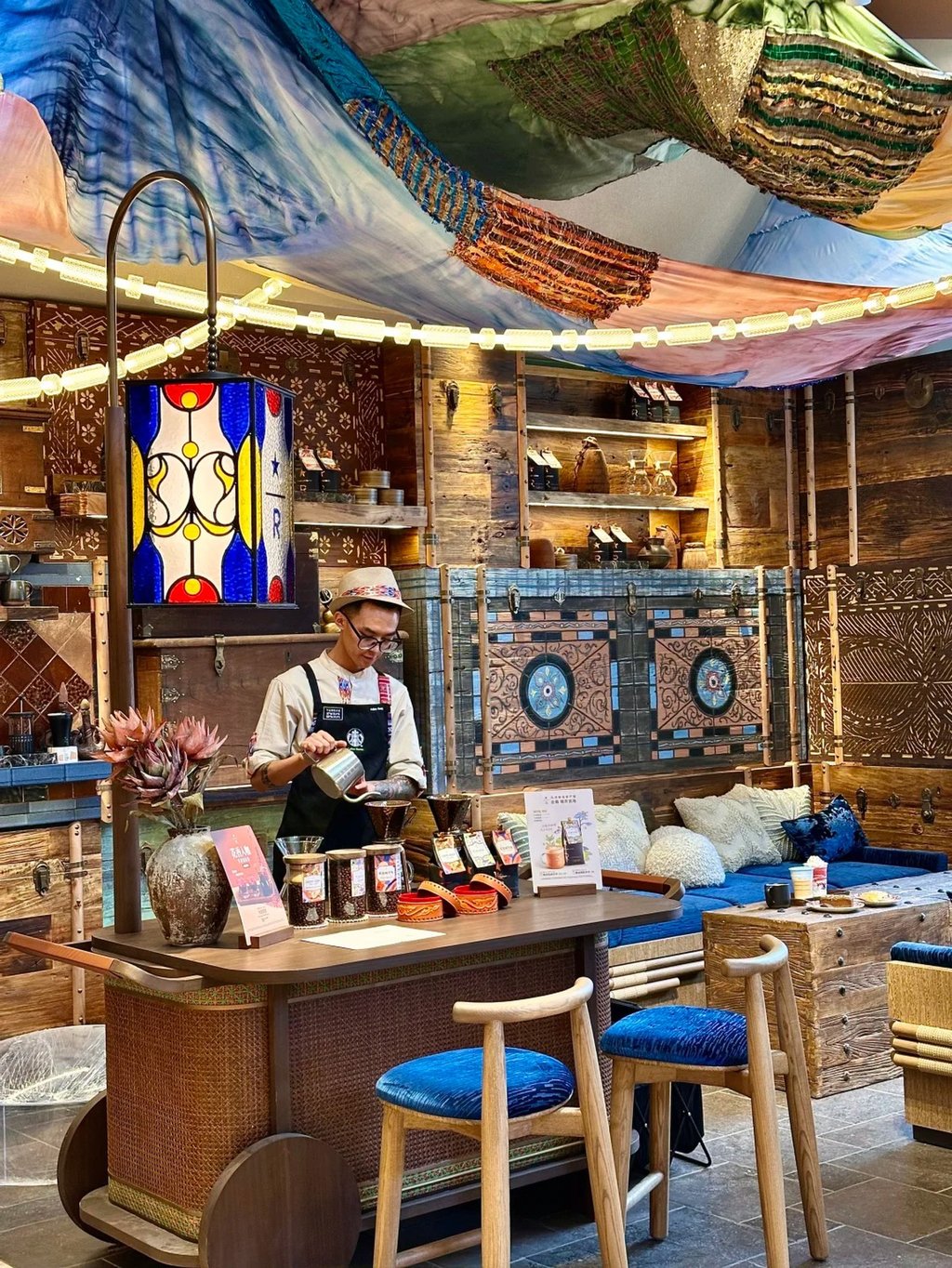
The Grand Bazaar outlet – described by local authorities as Starbucks’ first intangible cultural heritage-themed flagship store in China – incorporates elements of Xinjiang architecture and culture and offers drinks and products “inspired by the region”.
Starbucks is seeking to deepen its presence in China after finalising a joint venture in April with Chinese private-equity firm Boyu Capital, which holds a 60 per cent stake in the coffee giant’s China retail operations.
The joint venture has said it aims to expand Starbucks’ China footprint significantly, with the company citing the country as a key growth market.
The Xinjiang expansion has nevertheless put the US coffee chain in the middle of a long-running dispute between Washington and Beijing over alleged human rights abuses in the region.
The United States has accused China of widespread abuses against Uygurs and other Muslim minorities, including forced labour. Beijing has repeatedly rejected the allegations, saying its policies in Xinjiang are aimed at combating terrorism, separatism and religious extremism.
SCMP Plus is a new premium news platform that gives you an
all-inclusive edge to stay ahead on China news.
To access our exclusive content you’ll need to subscribe.
Already a subscriber?
LOG IN
Washington has also sought to restrict imports linked to Xinjiang.
The Uygur Forced Labour Prevention Act, signed into law in 2021, aims to block imports from Xinjiang to prevent goods linked to alleged forced labour from entering the US market.
In July, the US Department of Homeland Security expanded its Xinjiang-related entity list by 30 per cent to 187 companies, covering industries including food, cotton, pharmaceuticals, metals and lithium. Beijing then condemned the move as “economic coercion”.
Starbucks did not immediately respond to a request for comment.
As of the end of September, Starbucks had 8,342 stores in mainland China. The company opened its first mainland China store in Beijing in 1999.
KioskNews shows a cleaned-up reading view extracted from the publisher’s page — the original always lives on their site, not ours.