Neither tariffs nor export controls will stop China’s industrial engine
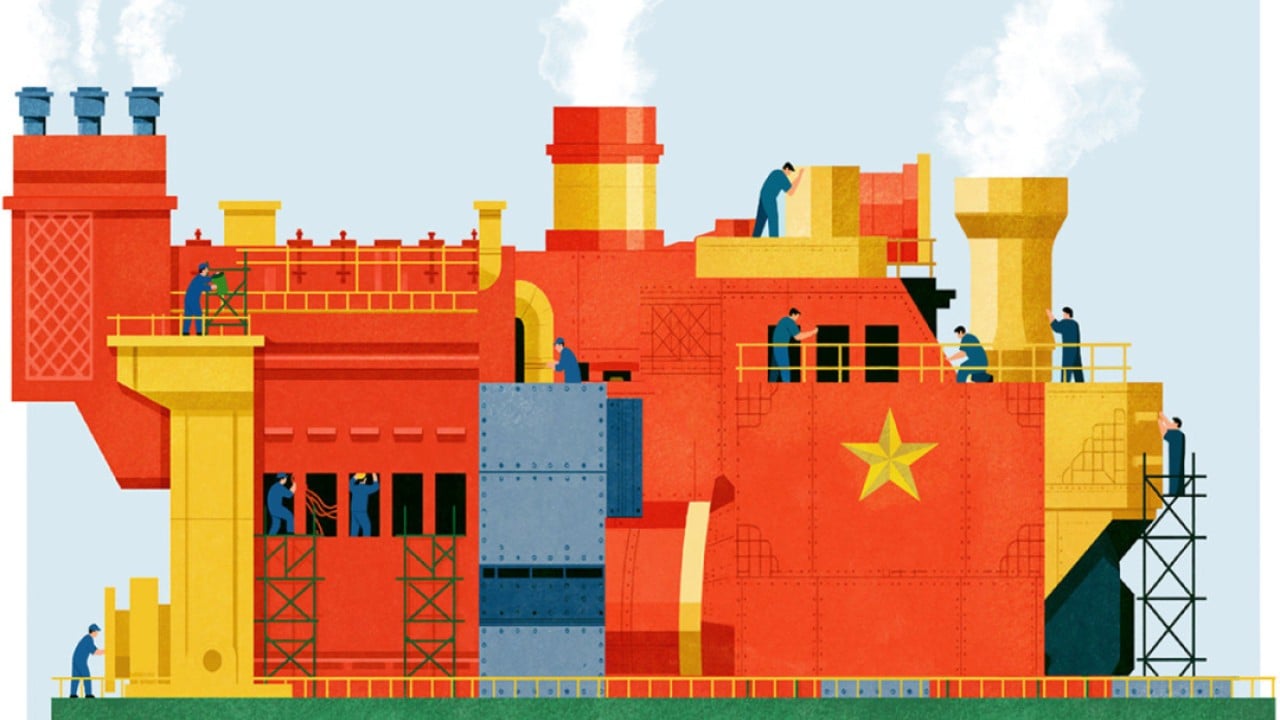
The first “China shock” was fairly easy to understand. Beginning in the 1990s, cheap Chinese goods poured into global markets, displacing large parts of lower-end manufacturing across the world. Now, China shock 2.0 seems to be under way, with China taking the lead in electric vehicles (EVs), batteries, solar panels, semiconductors and other more technologically sophisticated industries.
This is often perceived as a trade problem, with Chinese manufacturers producing too much, selling too cheaply and flooding global markets with subsidised goods. However, the more consequential question is not just why the United States and Europe run growing trade deficits with China. It is who is supplying the next round of industrial growth in Asia, Africa, Latin America and other emerging markets. That makes today’s industrial competition more of a production story than a trade story.
Headlines on the technological race between China and the US are usually about the frontier: artificial intelligence (AI), advanced semiconductors, quantum computing, biotechnology and other fields in which scientific leadership could determine the future. China’s efforts to catch up with the technological and productivity frontier can make it look like the country’s industrial future lies entirely at the highest end of technology.
KioskNews shows a cleaned-up reading view extracted from the publisher’s page — the original always lives on their site, not ours.