NASA's moon orbiter has spotted an impact crater that only happens once a century
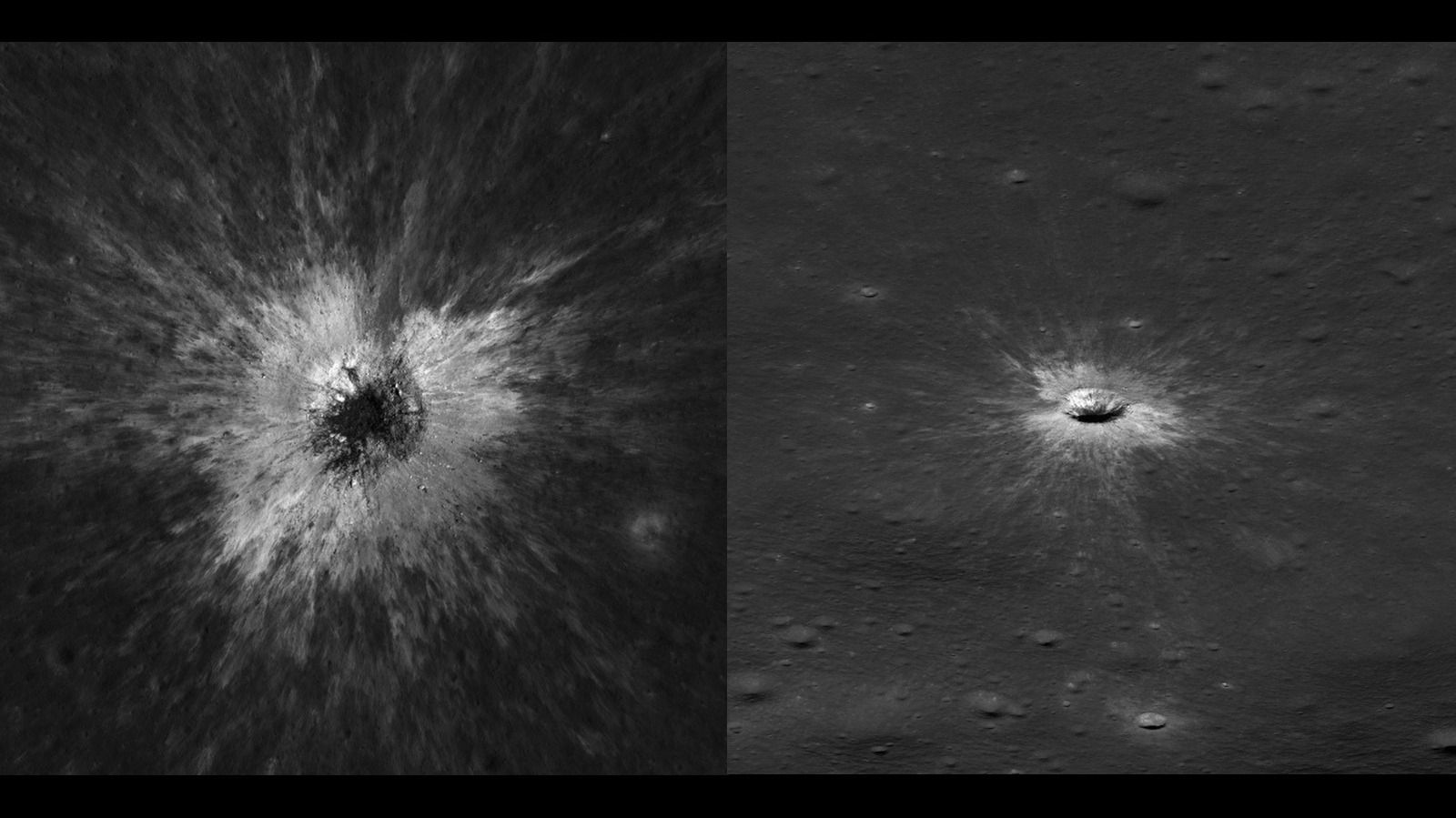
It’s the largest modern-day crater in our solar system, NASA says.
NASA Goddard/Intuitive Machines/Robert Wagner
Sometime between April 11 and May 22, 2024, a comet or an asteroid that's about the size of a three- to six‑story building slammed into the lunar surface and made the largest modern-day crater in our solar system. While we weren't able to observe it in real time, we can now see what it looks like, thanks to NASA's Lunar Reconnaissance Orbiter (LRO). NASA scientist Robert Wagner noticed a change on the moon's surface while looking at images taken by the orbiter's wide-angle camera in October 2025. After comparing before and after photos, he was able to confirm that there was indeed a new lunar crater, which was then officially named after scientist Tom McGetchin.
To be clear, the McGetchin crater isn't the largest crater on the moon. That honor belongs to the South Pole-Aitken Basin, which measures 1,550 miles in diameter. However, most lunar impacts are small, and most of them are pretty ancient. The McGetchin crater measures 728 feet wide and 141 feet deep. Based on scientists' estimates, an impact of this magnitude happens only once every 132 years or so.
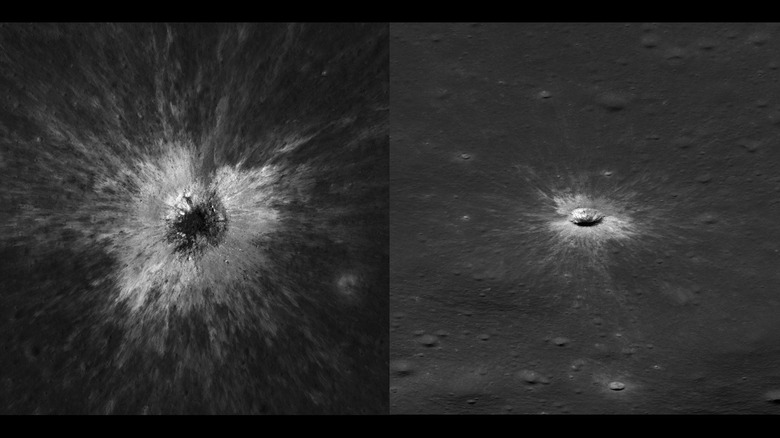
The images you see above were taken by the LRO's narrow-angle camera after it flew over the impact site again in December 2025, a few months after Wagner spotted it. Considering how rare the event is, we can most likely expect numerous studies on the McGetchin crater in the future. In fact, a team of scientists who has already studied it found that there's a 4-mile-wide area in its surroundings that's about 16 degrees Fahrenheit cooler at night.
In their study, they concluded that the spot gets cooler, because the impact had disturbed the regolith, or the upper layer of the moon's surface, making it less dense and less able to retain heat. As NASA notes, the cooler spots could have an impact on how rover wheels interact with the surface, and with areas near new craters overall.
KioskNews shows a cleaned-up reading view extracted from the publisher’s page — the original always lives on their site, not ours.