To be Asia’s events capital, Hong Kong must offer ticketing that works
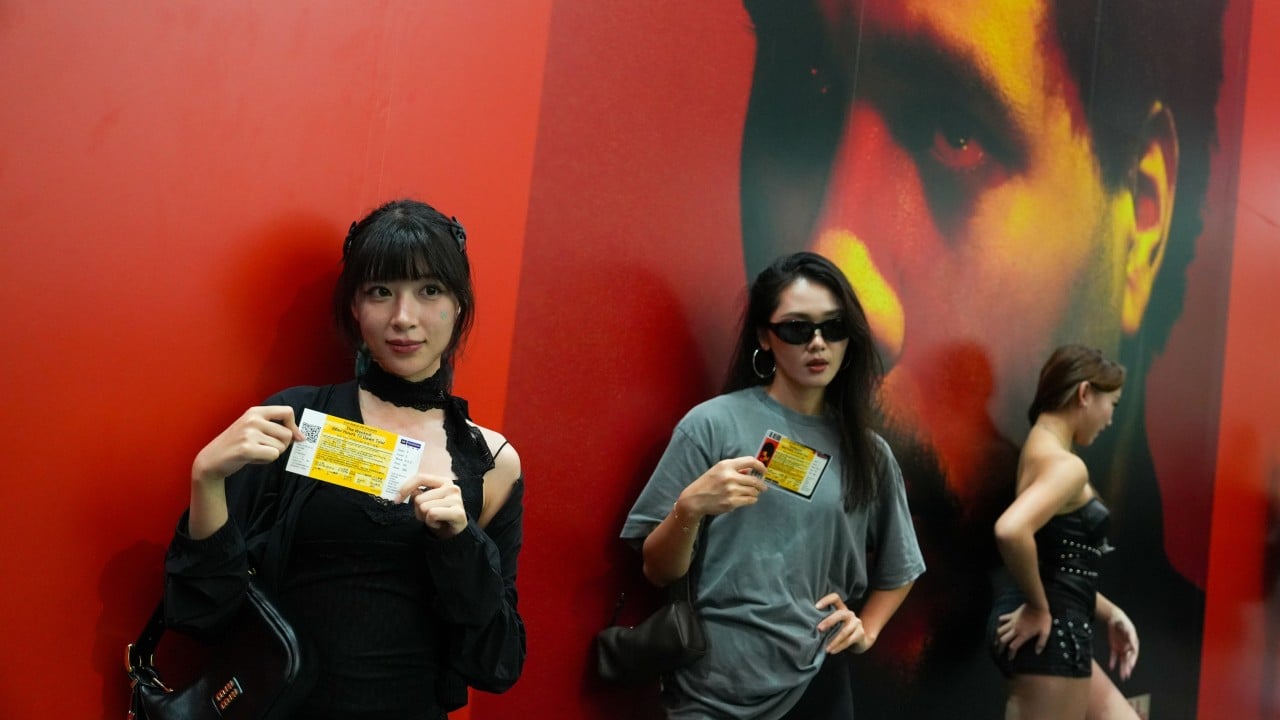
Hong Kong has set its sights on becoming Asia’s events capital. China’s five-year plans support the city’s role as an East-meets-West centre for international cultural exchange. The chief executive’s latest policy address commits the Tourism Board to strengthening Hong Kong’s reputation as the “events capital of Asia”.
The economic benefits could be huge. International events bring tourists and business for hotels, restaurants, shops and transport operators.
The South China Morning Post estimated that Coldplay’s four Kai Tak Stadium concerts in April last year generated HK$1.2 billion (US$153.67 million) for Hong Kong. Recent concerts such as The Weeknd’s show the potential of the mega-event strategy to boost spending and lift the city’s spirits.
Yet Hong Kong is not attracting its expected share of international tours. Our study examined 174 multimarket tours in Asia between 2023 and 2026. Only 21.1 per cent of Western tours included Hong Kong, compared with 49.5 per cent for Singapore and 74.7 per cent for Tokyo.
Taylor Swift’s six Singapore shows were not an isolated case. Ed Sheeran toured 16 Asian cities without stopping here; Dua Lipa visited eight.
Why is Hong Kong failing to attract international artists? No single factor determines a tour route. But one important weakness is the city’s dysfunctional ticket market. Fraud, bots, scalping and unclear information have made buying tickets deeply frustrating. They create headaches for organisers and artists too.
02:39
Did booking out several computers at an internet cafe boost fans’ chances of securing tickets to Blackpink’s shows in Hong Kong?
Evidence of that frustration is everywhere. Police recorded 2,805 online-shopping fraud cases involving concert tickets last year, up by 61.8 per cent. Consumer Council complaints concerning public performances rose by 202 per cent to 1,889. Together, these figures show how easily the excitement of seeing a favourite artist can turn into anxiety and anger.
Consider what happens when tickets go on sale. Fans queue up online only to see every category marked “sold out”. Tickets can then appear elsewhere at several times their original price. After investigating complaints about a disputed sale last year, Cityline said 20 per cent of the users it examined were bots or using unauthorised programmes.
Fans who turn to the second-hand market face another gamble. Is the ticket real? Will it work at the gate? The law offers little comfort. Hong Kong’s maximum fine under its ticket-resale offence is HK$2,000, based on a penalty introduced in 1950. No one was convicted in cases concluded from 2022 to mid-2024. Major venues managed by the Leisure and Cultural Services Department (LCSD) such as the Coliseum fall outside the regulation.
Consumers who try to buy tickets from official channels are also frustrated by the lack of transparency. Many tickets are reserved for fan clubs, sponsors, credit-card presales, artists and hotel packages. Some seats may be held until the stage and sightlines are confirmed.
So what does “sold out” mean? Has one public batch sold out, or the entire event? Is another official sale coming? Without clear answers, fans spend hours searching social media and weighing claims about “internal tickets” or a “last chance”. Overseas visitors must decide whether to risk booking flights, hotels and time off work.
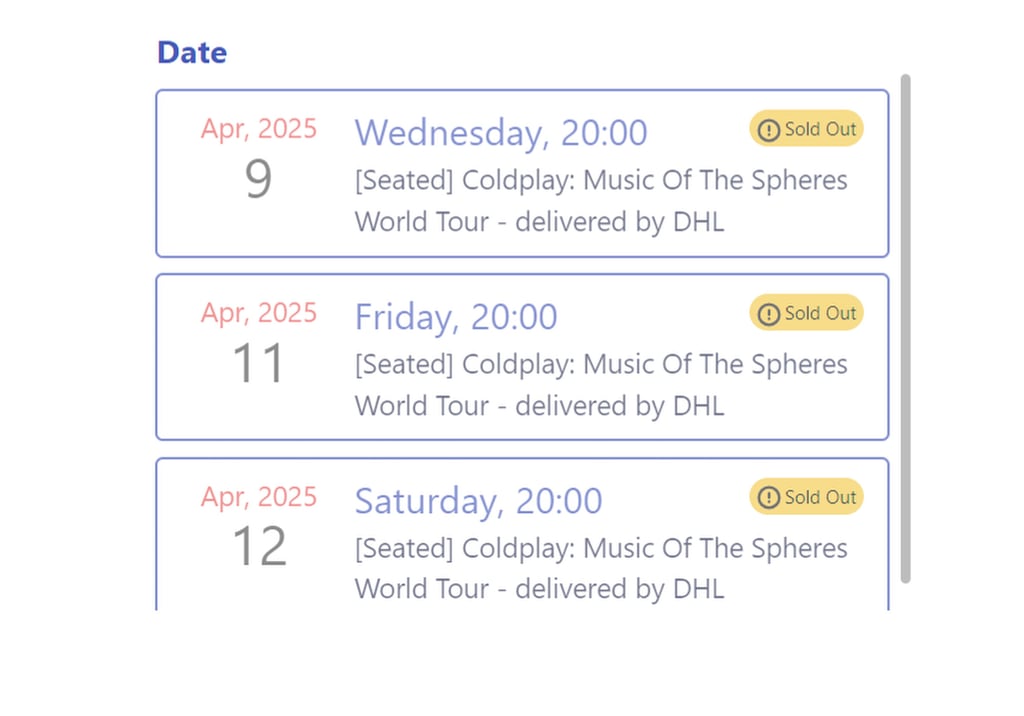
These failures hurt more than fans. Artists face anger over systems beyond their control. Organisers cannot tell whether rapid sell-outs reflect genuine demand or small public allocations. Fraud can leave buyers out of pocket with no valid ticket. Resale mark-ups add to their costs without necessarily increasing revenue for the performance. For visitors on a fixed budget, those extra costs can also squeeze spending elsewhere.
This ticket dysfunction is not a problem that fans or artists can solve on their own. The government must lead. Most major concert venues are publicly owned or controlled: LCSD runs the Coliseum, the Airport Authority owns AsiaWorld-Expo and the government owns the privately operated Kai Tak Sports Park. Through contracts, funding and ticketing requirements, the government has the leverage and responsibility to improve the market.
The reforms needed are straightforward. Organisers should publish how tickets are broadly allocated, update major changes and state what each “sold out” notice covers. Ticketing platforms should have to show their queues and anti-bot protections work. High-demand events need a verified transfer channel for genuine ticket holders. The government should also extend the resale offence to cover LCSD venues, update the penalty and publish meaningful enforcement figures.
The government should make fuller use of its influence over publicly owned venues. Concern about imposing burdens on organisers is understandable, but basic consumer protections should be a condition of using publicly supported facilities. Requirements can be proportionate: reporting significant ticketing failures, explaining how complaints were resolved and correcting recurring problems. Venue operators should review the performance after major events, with repeated failures weighing against providers in future contracts.
Popular concerts will always have more fans than seats. Reform cannot remove scarcity. But it can give ordinary buyers a fair chance and make official channels easier to trust. An ambition to attract more events should give the administration greater urgency to address these problems. Leaving them unresolved carries costs for fans and the city’s reputation. If Hong Kong wants international artists and their audiences to choose the city, a reliable ticket market must be part of the offer.
KioskNews shows a cleaned-up reading view extracted from the publisher’s page — the original always lives on their site, not ours.