Three Prachin Buri factories face toxins probe
Authorities also looking at nominee ownership and reports of ‘prominent surname’ involved
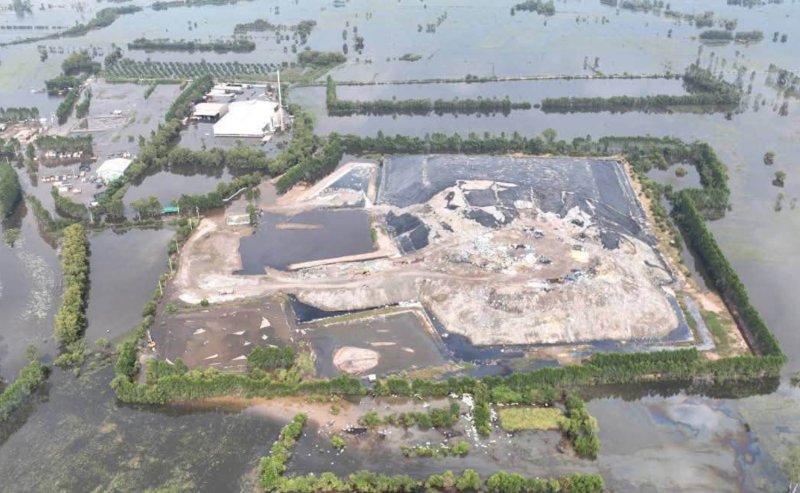
Three factories in Prachin Buri have been ordered to suspend operations following suspected toxic chemical leaks that caused water pollution during flooding, while investigations into alleged nominee ownership and “a prominent surname” involved are also under way.
The move comes amid severe flooding in the eastern province, particularly in Si Maha Pho, Kabin Buri, Ban Sang and Muang districts. The situation has raised concerns beyond the natural disaster itself, focusing on contaminants from industrial waste mixing with floodwater and posing risks to public health and safety.
Mr Varawut said small amounts of heavy metals, which have been a concern for local residents, were detected during surveys conducted by the Pollution Control Department and the Department of Industrial Works. However, the concentrations were relatively low, and authorities could not yet determine which factory they originated from.
The chemicals detected at higher concentrations after the floodwaters receded were components of petroleum products, he said.
Authorities have invoked Sections 37 and 39 of the Factory Act to take action against the facilities.
Mr Varawut said invoking Section 39 to order a factory’s immediate closure could expose the government to legal challenges. Authorities would therefore initially apply Section 37, which requires factories to make improvements. If they fail to comply, Section 39 would then be invoked to order closure.
He said the existing law was relatively old and its penalties might not be sufficiently severe. Amendments were therefore needed, including higher fines and the reclassification of illegal industrial waste dumping as a financial crime, which would allow authorities to seize operators’ assets.
On Tuesday, Deputy Interior Minister Polapee Suwunchwee said an investigation had been ordered into two companies suspected of links to toxic and industrial waste in the province, citing irregularities in their shareholding structures and a combined registered capital of 400 million baht.
Preliminary findings had revealed suspicious links between Thai and foreign shareholders, cross-shareholdings, and the use of the same accounting firm and auditor by both companies, which have not been identified.
The Anti-Money Laundering Office had been asked to investigate financial transactions and land ownership to determine whether Thai nationals were being used as nominees for foreign investors.
Initial findings showed that one company had increased its registered capital from 5 million baht to 100 million baht, while the other had registered capital of 300 million baht and assets worth more than 570 million baht.
Mr Polapee added that the companies’ records included a name from a prominent family in the province.
Mr Varawut stressed on Wednesday that the law would be enforced to the fullest extent, regardless of whether the offences involved nominee companies or individuals associated with any particular surname.
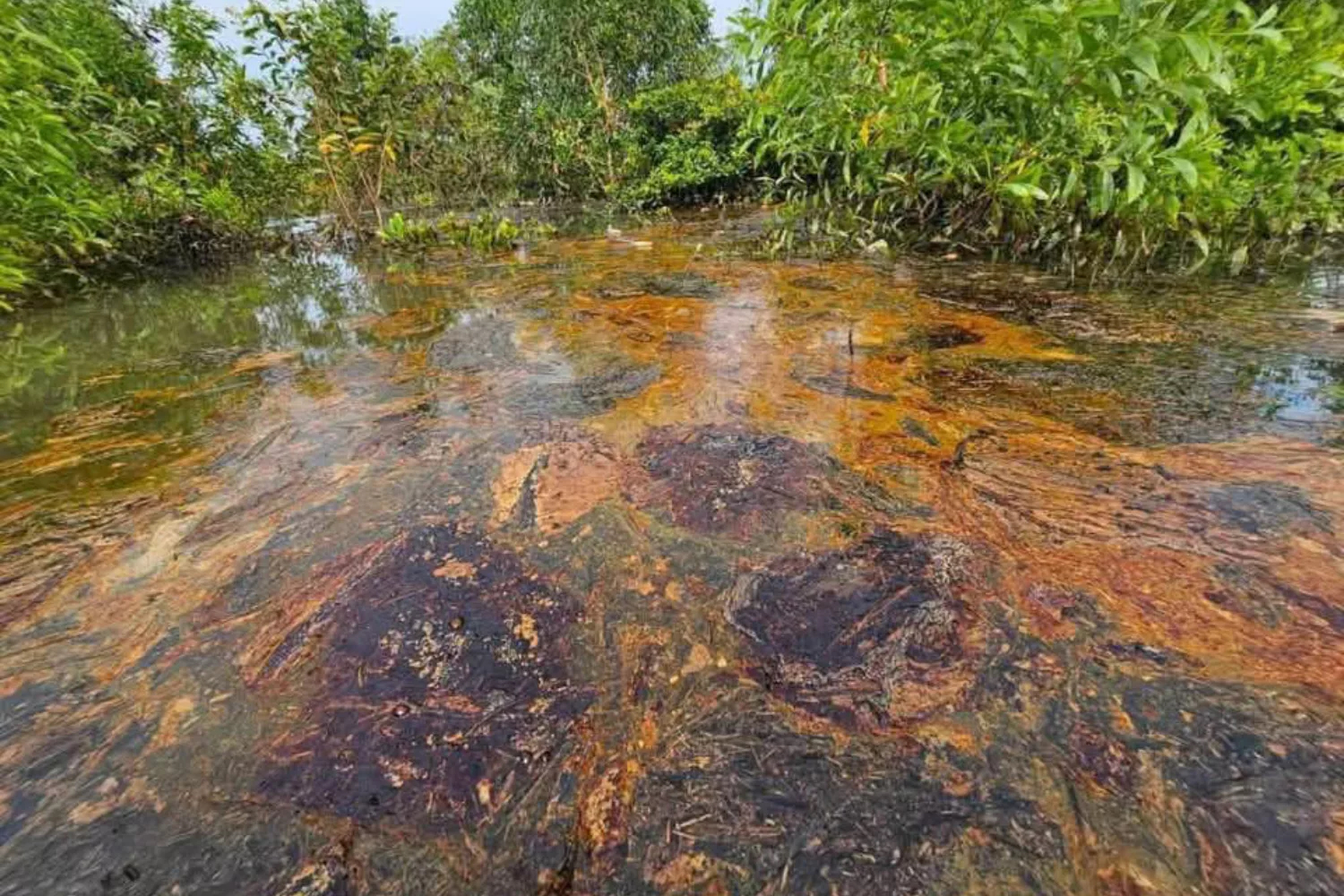
A dark brown slick containing suspected toxins sits on the surface of floodwater covering farmland in Prachin Buri province in October. (Photo: Prachin Buri Public Relations Department)
KioskNews shows a cleaned-up reading view extracted from the publisher’s page — the original always lives on their site, not ours.