Netflix's 4-Part Sci-Fi Masterpiece Breaks All The Rules Of Storytelling

Tom is a Senior Staff Writer at Screen Rant, with expertise covering everything from hilarious sitcoms to jaw-dropping sci-fi epics.
Initially he was an Updates writer, though before long he found his way to the TV and movies team. He now spends his days keeping Screen Rant readers informed about the TV shows of yesteryear, whether it's recommending hidden gems that may have been missed by genre fans or deep diving into ways your favorite shows have (or haven't) stood the test of time.
Tom is based in the UK and when he's not writing about TV shows, he's watching them. He's also an avid horror fiction writer, gamer, and has a Dungeons and Dragons habit that he tries (and fails) to keep in check.
Sign in to your ScreenRant account
Science fiction has far more creative freedom than most genres when it comes to small-screen storytelling. A sci-fi series can jump thousands of years into the future, explore alternate realities, or completely rewrite the laws of physics, and it's all fair game for the genre. That flexibility has produced some incredibly imaginative TV, allowing creators to tell stories that simply would not be possible within the boundaries of a grounded drama or thriller, or even a fantasy story.
Despite that freedom, most sci-fi TV shows still adhere to the same broad narrative rules. They have recurring characters, established tones, and stories designed to progress across episodes or seasons. Even anthology shows generally establish some kind of consistent thematic identity. There is, however, one major exception. Netflix's Love, Death & Robots has spent four volumes demonstrating what happens when a sci-fi series abandons virtually every conventional storytelling restriction.
Created by Deadpool director Tim Miller and executive produced by the legendary David Fincher, Love, Death & Robots is an animated anthology whose standalone shorts each differ wildly in length, animation style, setting, genre, and tone. One episode can be horrifying, the next absurdly funny, and another surprisingly philosophical. For anyone seeking truly experimental and creatively limitless sci-fi TV, Love, Death & Robots is pretty much the only suitable choice.
Love, Death & Robots Has No Storytelling Restrictions
There is plenty to love about Love, Death & Robots, from its consistently spectacular animation to its impressive cast performances. However, its greatest strength is its sheer storytelling flexibility. Even by sci-fi anthology standards, Love, Death & Robots features an extraordinary amount of variety. Each story is given total permission to establish its own rules without worrying about how they fit alongside anything that came before.
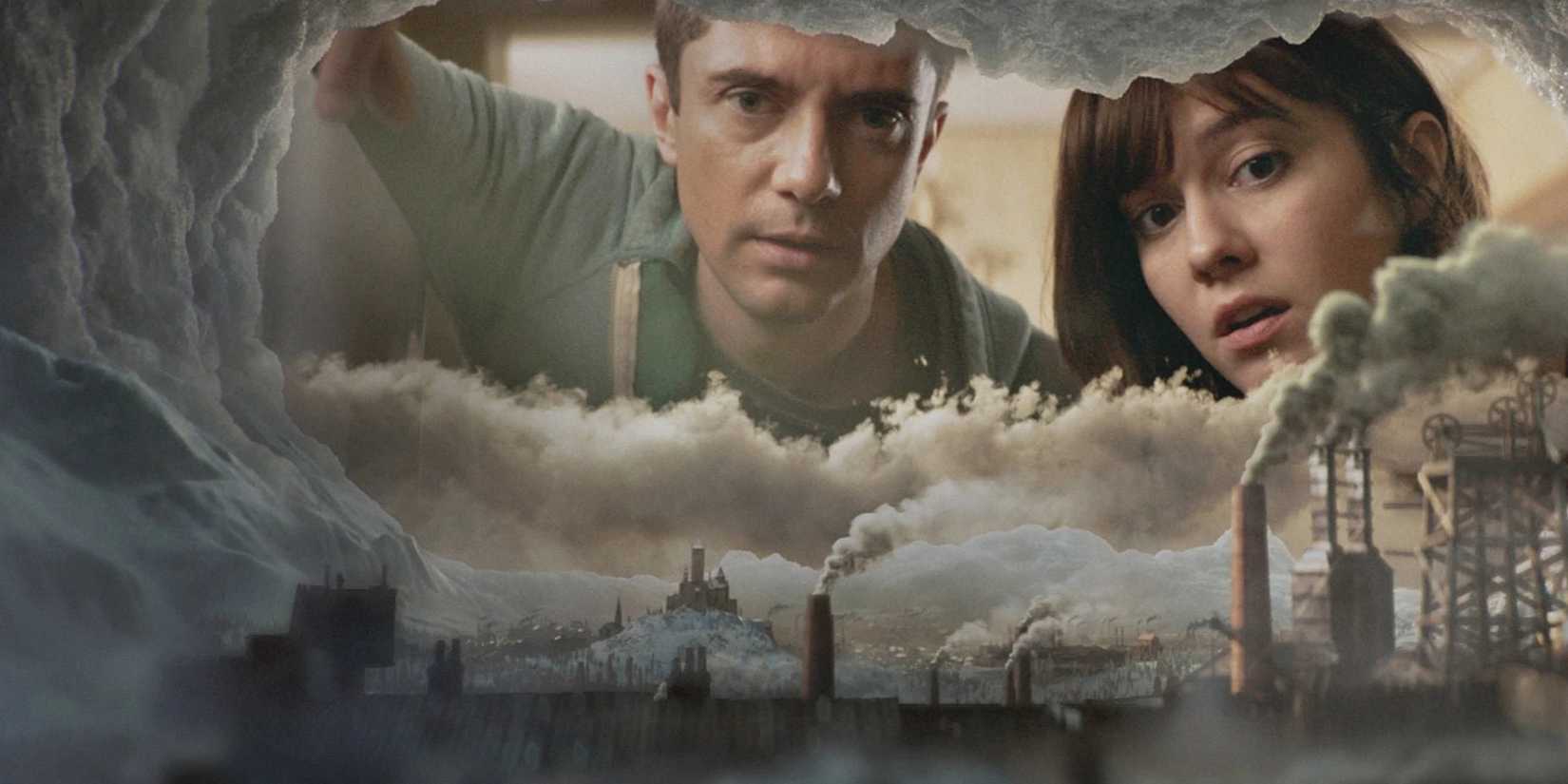
Consequently, Love, Death & Robots can move from the bleak military horror of episodes like "In Vaulted Halls Entombed" to the tiny apocalyptic civilization of "Ice Age," then deliver the surreal spectacle of "Jibaro." Some stories are packed with dialogue, but others barely need it. Certain episodes build relatively recognizable sci-fi adventures, while others take a single strange concept and unfold it into an entire narrative. LD&R’s format allows each idea to dictate how it should be told, so no two episodes are alike.
Even the animation of Love, Death & Robots refuses to become standardized. Some episodes harness photorealistic CGI, others deliver beautiful 2D animation. There’s stop-motion and even hybrid live-action approaches. That constantly changing visual language means Love, Death & Robots does not merely tell different stories; the kind of TV show it is literally changes episode by episode.
That is where the Netflix anthology sci-fi show truly proves it cares little for storytelling norms. There is no status quo, even in the loose thematic sense, that needs restoring before another episode begins. Love, Death & Robots can leave mysteries unanswered, reject conventional narrative structures, and disappear into completely abstract ideas because every episode exists on its own terms.
No Story Is Too Weird For Love, Death & Robots
There is a major reason Love, Death & Robots can maintain such extraordinary creative variety: no concept is too weird for it. For example, season 1’s "When the Yogurt Took Over" builds an entire civilization-changing story around sentient yogurt becoming smarter than humanity. The idea is utterly ridiculous, but the episode commits completely to its premise, transforming an absurd concept into a surprisingly effective satire about human arrogance.
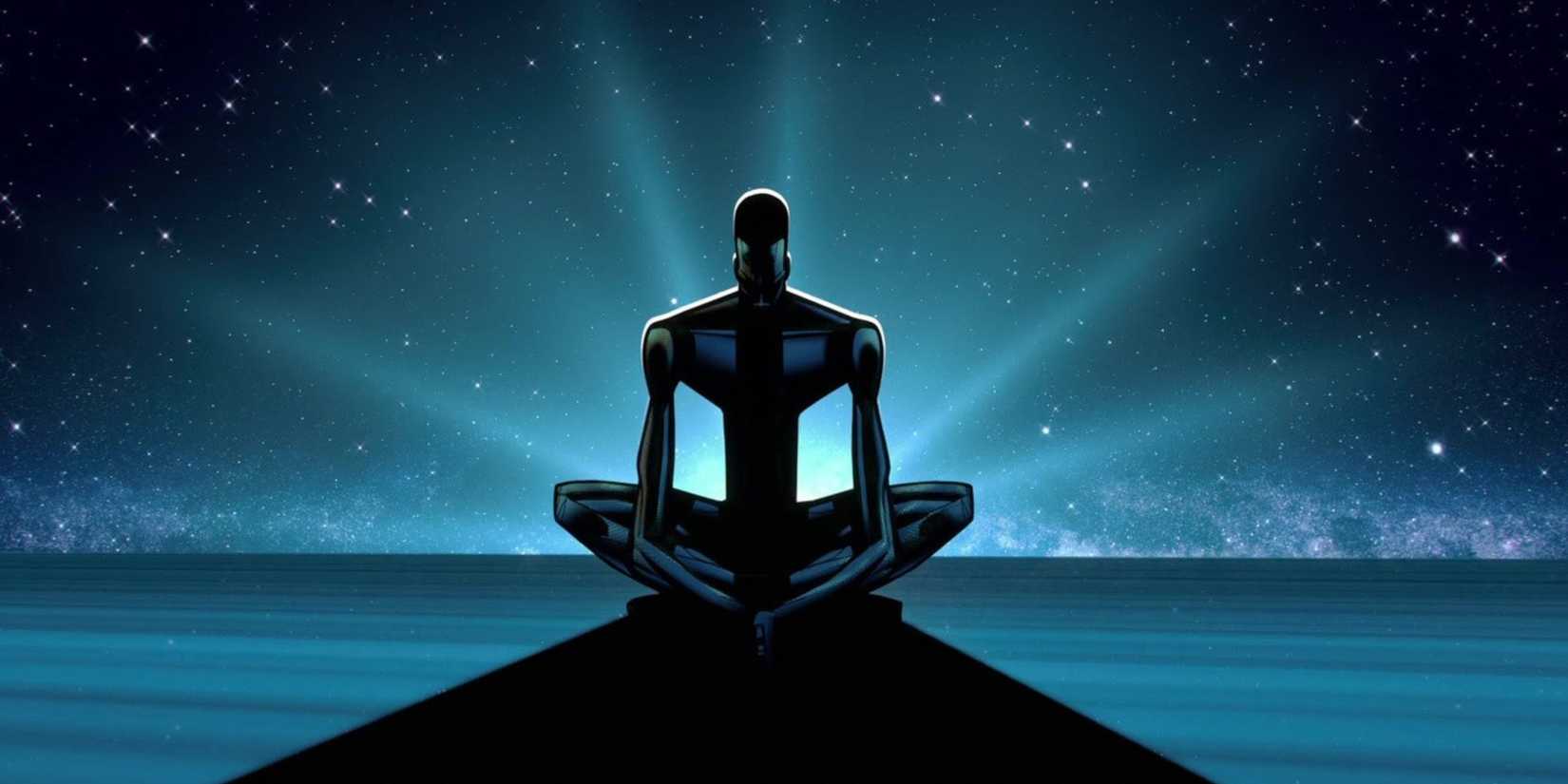
Then there’s LD&R’s "Zima Blue", also from season 1, which approaches strangeness from a more intimate direction. Its story gradually strips away the grandeur surrounding legendary titular artist who, it turns out, is a highly advanced pool cleaning robot. This absurd idea is, somehow, then turned into a meditation on identity, purpose, and simplicity. The premise may be ridiculous on paper, but Love, Death & Robots uses the weirdness as the foundation for a memorable story rather than treating weirdness as an end in itself.
Season 4’s "Can't Stop" shows just how weird Love, Death & Robots is willing to be better than almost any other installment. It turns the Red Hot Chili Peppers into puppets for an animated recreation of a live performance. The episode barely resembles conventional narrative television at all. It represents everything that makes LD&R so unusual and so groundbreaking. The series' rules are so broad and flexible that they can accommodate even a miniature animated concert.
That willingness to experiment is essential to the show's identity. A series this ambitious could only exist by refusing to impose limits on itself. Love, Death & Robots can be profound, grotesque, funny, frightening, beautiful, or simply bizarre. By stepping so far outside familiar storytelling structures, Netflix's four-volume sci-fi anthology has turned unpredictability into its defining strength.
- Release Date
- 2019 - 2025-00-00
- Network
- Netflix
- Directors
- Víctor Maldonado, Patrick Osborne, Robert Valley, Alfredo Torres Martínez, Jerome Chen, Emily Dean, Rémi Kozyra, Léon Bérelle, Dominique Boidin, Alberto Mielgo, Maxime Luère, Andy Lyon, Robert Bisi, Dave Wilson, David Nicolas, Simon Otto, Damian Nenow, Laurent Nicolas, Kevin Van Der Meiren, Vitaliy Shushko, Owen Sullivan, István Zorkóczy, Javier Recio Gracia, Oliver Thomas
- Writers
- Tim Miller, Philip Gelatt
KioskNews shows a cleaned-up reading view extracted from the publisher’s page — the original always lives on their site, not ours.