Arthritis drug restores 100% of hair on some patients with severe alopecia in global trial
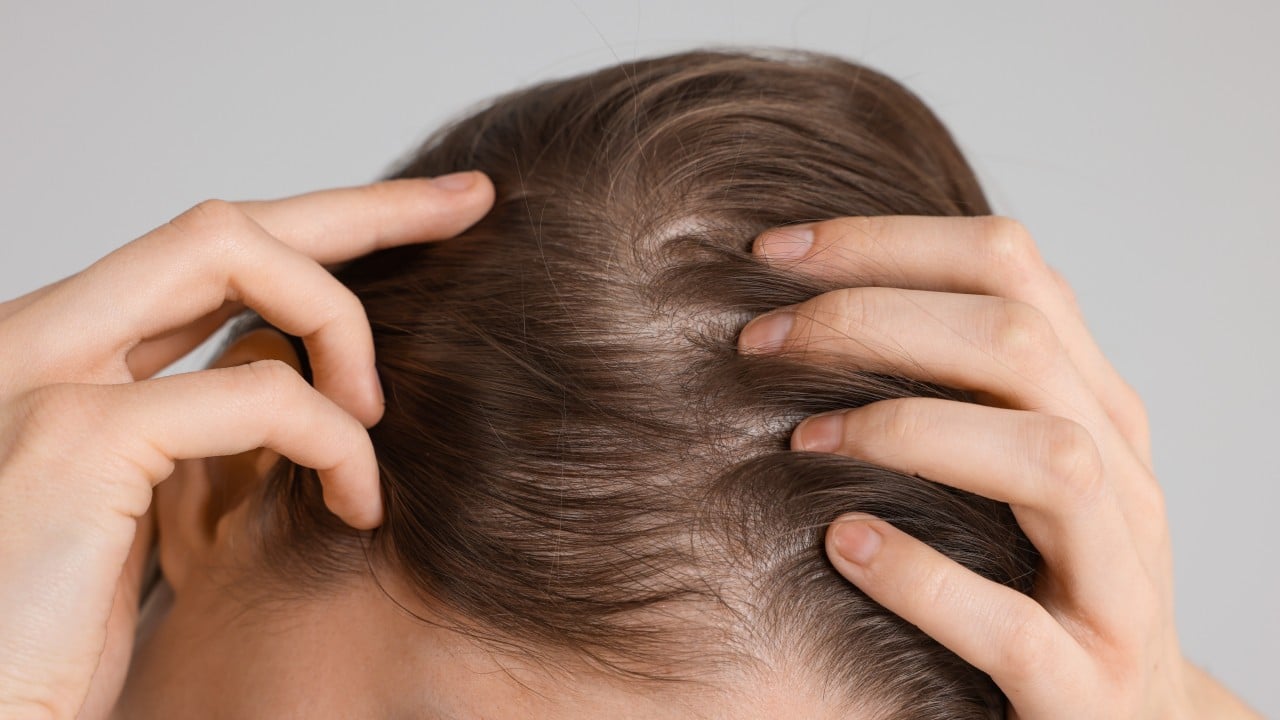
For many, losing hair isn’t just a cosmetic worry – it is a deeply personal struggle that can chip away at confidence, social life and mental health. Now, a surprising candidate is offering new hope: a pill originally designed to treat arthritis.
The condition is called alopecia areata. It is an autoimmune disease where the body’s own immune system mistakenly attacks hair follicles, causing unpredictable hair loss. Sometimes it is just a few patches but in severe cases, the entire scalp, eyebrows and even body hair can vanish. Until now, there has been no reliably effective treatment.
Enter upadacitinib. This once-daily oral medication was previously approved to tame inflammation in various forms of arthritis. But scientists suspected it might also help with alopecia areata by calming the same kind of immune overreaction that destroys hair follicles.
To test this, researchers at Harvard University ran two large, international clinical trials across hospitals in North America, Europe and China. They recruited people with severe alopecia areata.
On average, the volunteers had lost about 84 per cent of their scalp hair. Some had not seen any regrowth for at least six months.
Participants were randomly assigned to take either a 15mg dose, a 30mg dose, or a placebo pill every day. The results, published in JAMA Dermatology on August 12, were striking.
Within just 24 weeks, roughly half of those taking upadacitinib – both doses combined – saw at least 80 per cent of their scalp hair grow back.
KioskNews shows a cleaned-up reading view extracted from the publisher’s page — the original always lives on their site, not ours.