Sun-dried yoghurt, floor dining: how migration, folding chairs reshaped Chinese food
With a history as long as China’s, some cultural traditions are bound to fade into antiquity. This is especially true of food, which can change dramatically within a single lifetime.
Some changes are fundamental, making it almost impossible to imagine the culture without them; others are quirks of history. The SCMP explores two food traditions that have disappeared, offering a glimpse into how China has changed over the centuries.
Popularity of a dried “jawbreaker” dairy product
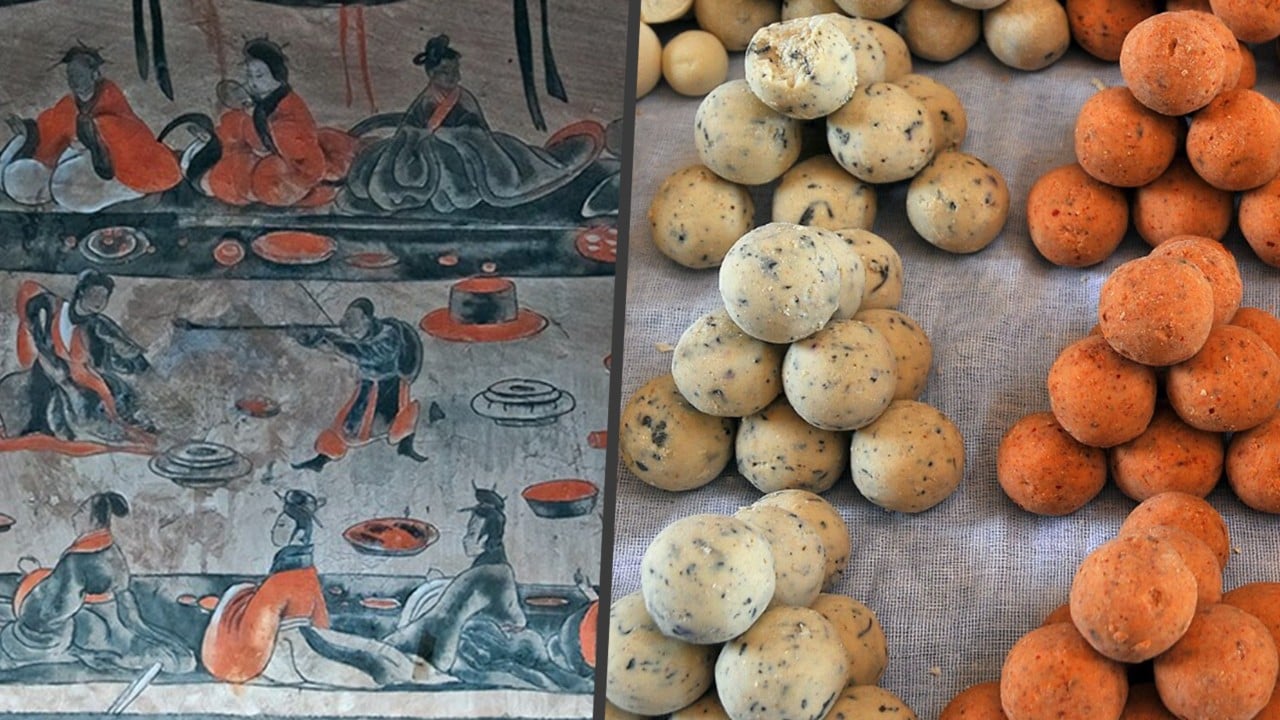
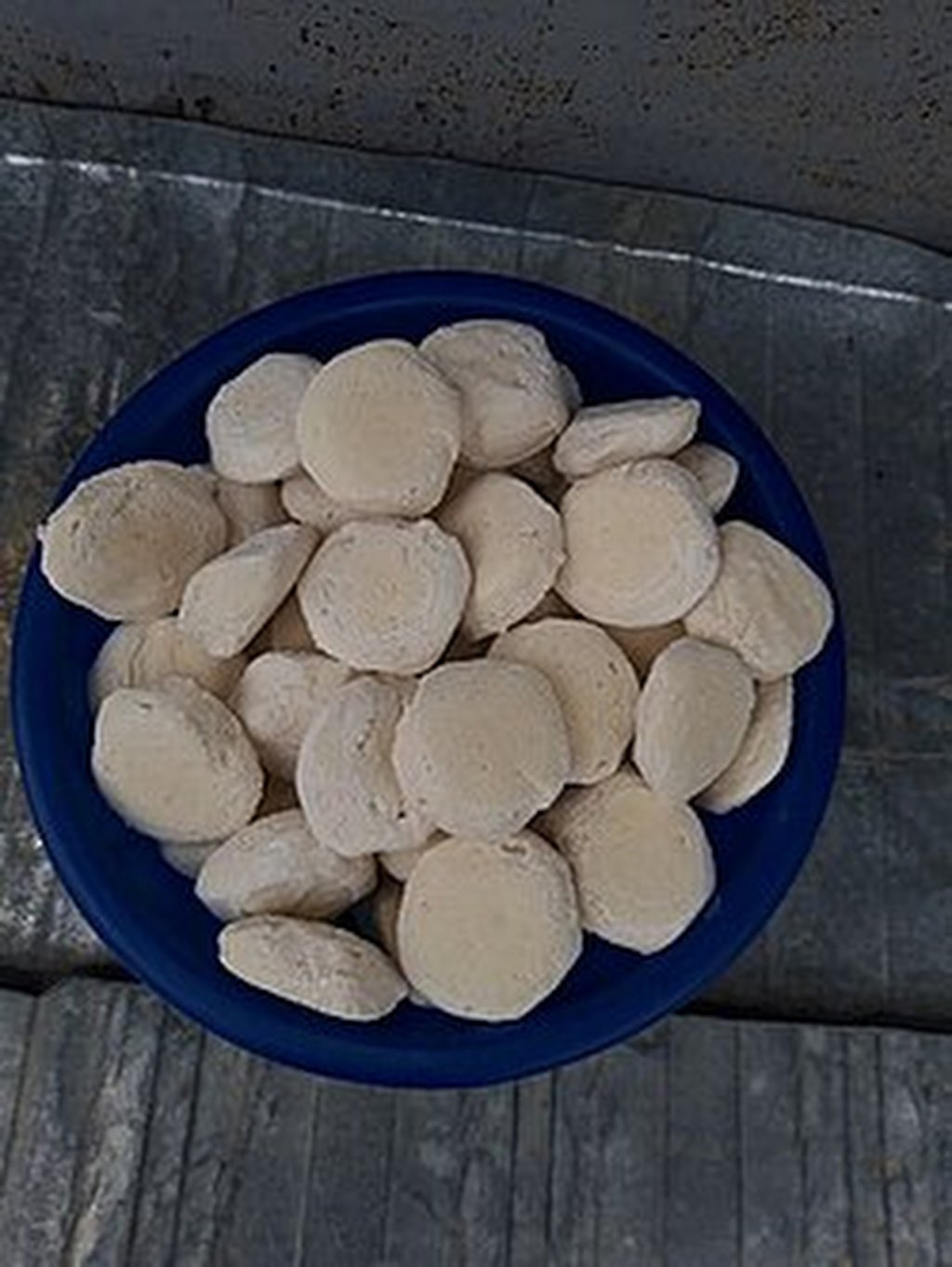
Around 120 BC, a time traveller might have found people in China snacking on a dried dairy product called milik, similar to aarul, a traditional Mongolian snack still eaten today.
The yoghurt-based food could be stored for years, making it an important source of protein for villagers facing the harsh winters of northern China.
“They were hard like jawbreakers; the people would crush them up as a way to preserve dairy. The dish is still fairly common across Central Asia and Xinjiang, but the Chinese were making it in the middle period (100–1500),” said Miranda Brown, a Yi-tsi Mei Feuerwerker Collegiate Professor of Chinese Studies and Arthur F. Thurnau Professor at the University of Michigan.
Brown told the SCMP that the food may have emerged in response to a shift in China’s climate, as northern regions became pastureland and more challenging places to grow crops.
“Because the goal was to make food supplies stretch, the people were very invested in products that could take summer surpluses of milk and turn them into year-round resources,” she said.
On her blog, The Curious Eater, Brown described how the food was made: during the summer, soured milk was mixed with spring water, boiled down in an open-air cauldron, strained through cheesecloth, and hung until it dried into a clay-like paste. Villagers then shaped the paste into balls by hand and dried them in the sun before storing them for winter.
One theory about why milik is no longer popular in China is that, as populations grew and moved south, agricultural resources became more valuable, and other ingredients came to play a larger role in people’s diets.
An era before communal eating
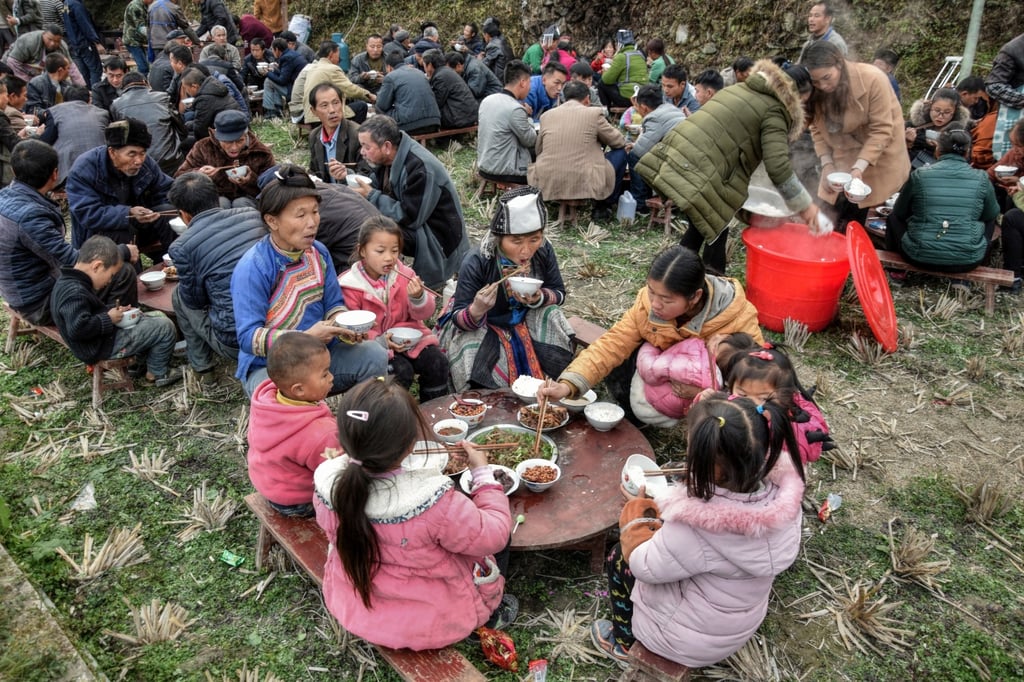
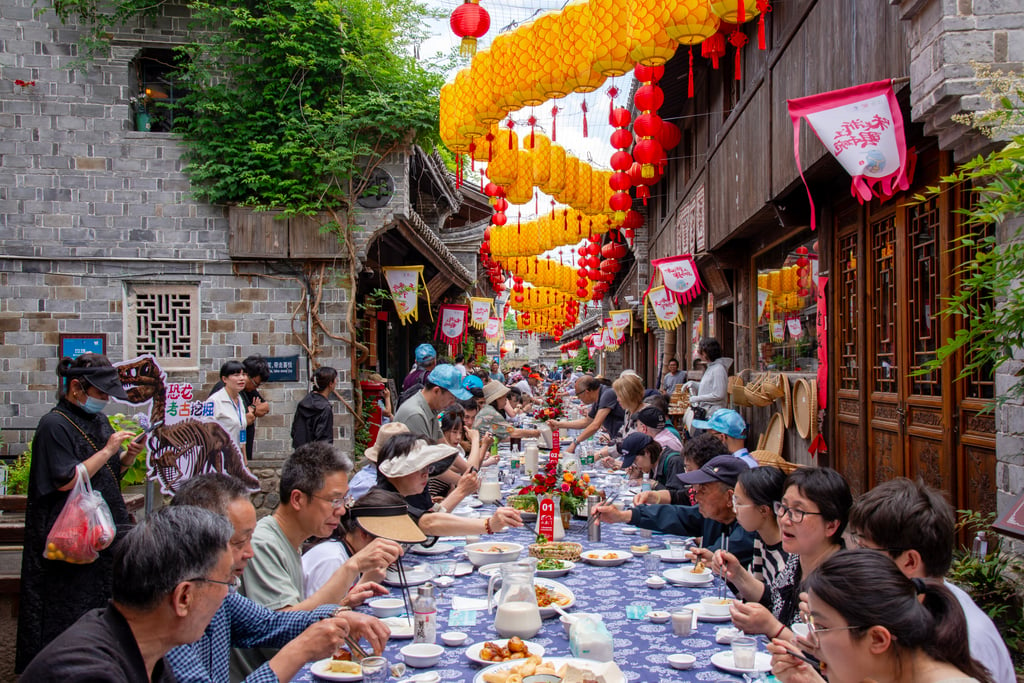
One defining feature of modern Chinese culture is communal dining. People share food, and dishes are served in large portions, creating an atmosphere of camaraderie around the table.
But a mural from the Han dynasty (202 BC–9; 25–220) suggests this was not always the case.
Discovered in the Tomb of Ta-hu-t’ing, the mural depicts a group of people sitting on the floor and enjoying meals served in individual place settings.
“There are all sorts of people who have talked about communal eating in China and how that shaped the culture. But if you go back far enough in time, you see that they were eating as they do in Japan,” said Brown.
“I would suspect [the eating style] depended on your [social rank], and each meal is different,” she added.
This theory is supported by research suggesting that separate dining may have been a way to show respect for guests or distinguish the aristocracy from other social classes.
Communal dining may have become more common during chaotic periods in Chinese history, particularly the Sixteen Kingdoms period (304–439). This era weakened strict social rules, diminished the status of separate dining, and allowed practices brought by regional migration to blend into society.
Finally, the gradual shift was cemented by the invention of the huchuang, a folding wooden chair that made dining more comfortable and helped facilitate communal eating.
China is famous for having one of the world’s most diverse food cultures, and its customs and traditions became even more vibrant when we explore how they have changed over the centuries.
KioskNews shows a cleaned-up reading view extracted from the publisher’s page — the original always lives on their site, not ours.