Philippines seeks bespoke BrahMos missiles from India for island defence
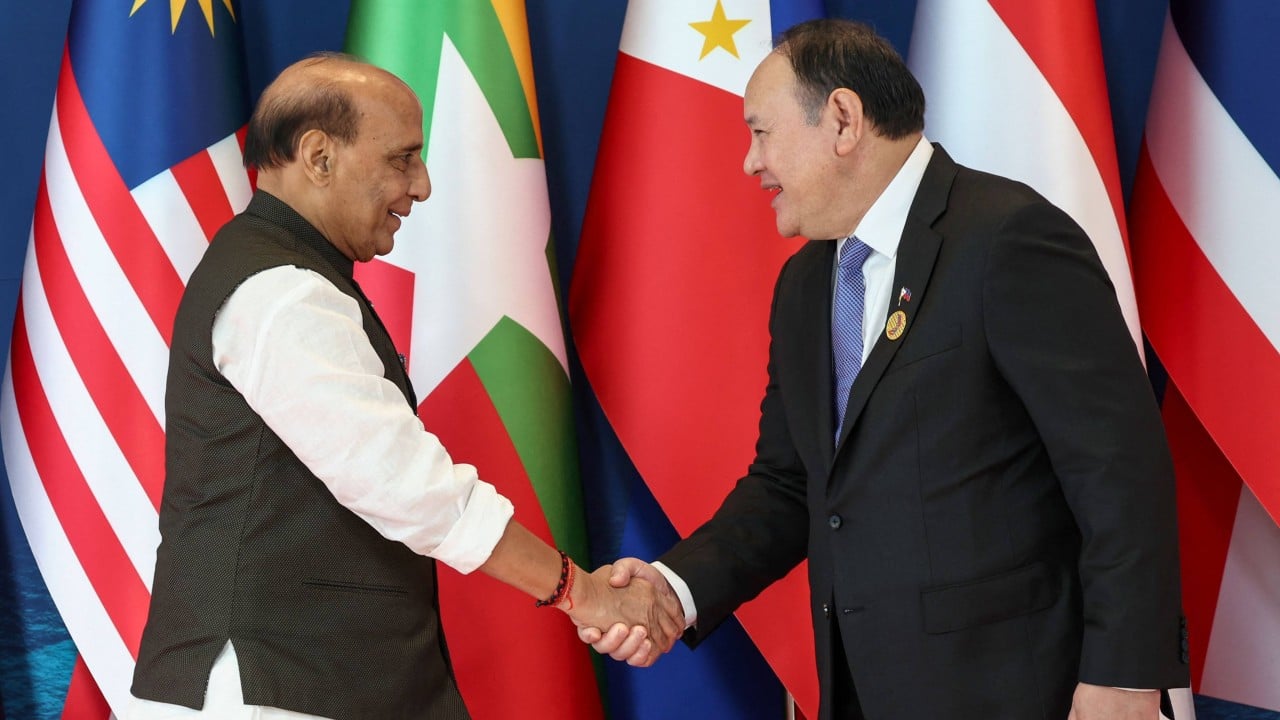
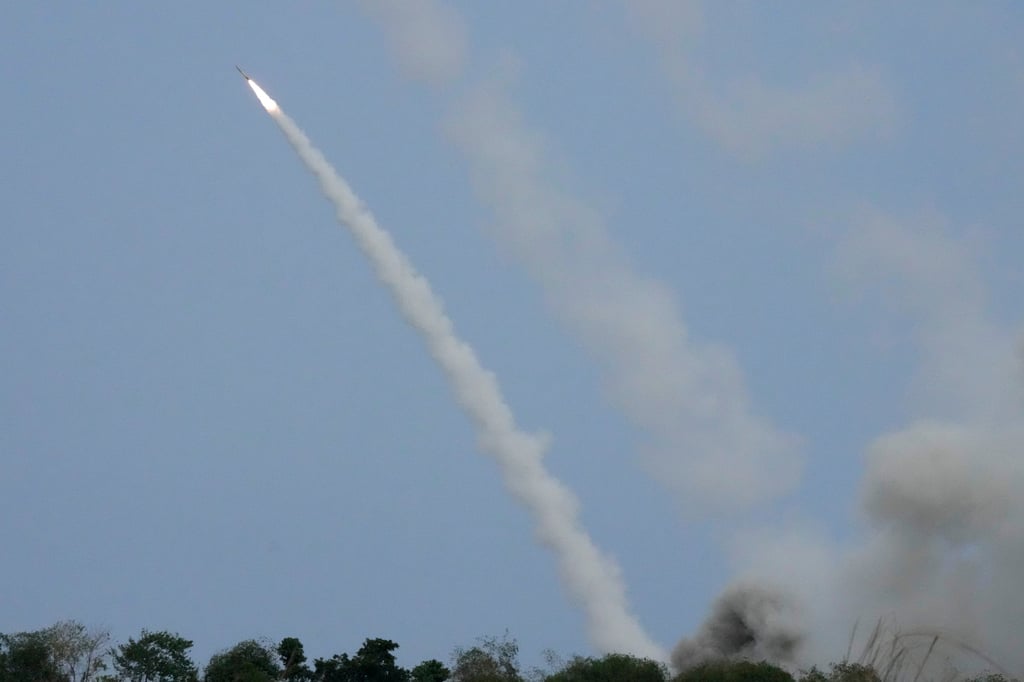
The Philippines wants to buy more of India’s BrahMos missiles and have them adapted to its terrain, in a move analysts say signals Manila’s search for alternative arms suppliers as the US remains entangled in its Middle East conflict.
Philippine Defence Secretary Gilberto Teodoro Jnr told a security summit in New Delhi last week that his country hoped to expand on its 2022 purchase of the supersonic cruise arsenal to strengthen its external deterrence.
Indian sources later told Reuters that India was in “final-stage talks” to supply more BrahMos missiles. The Philippines is expected to buy about five systems, or nearly 60 missiles in total, in a deal reportedly worth US$700 million to US$800 million.
“We have also shared a wish list on the BrahMos to the Indian authorities to make it more tailor-fitted for the Philippine environment,” Teodoro told the Delhi Defence Dialogue by video link on Wednesday, pointing to logistical difficulty of moving the missiles around the archipelago nation.
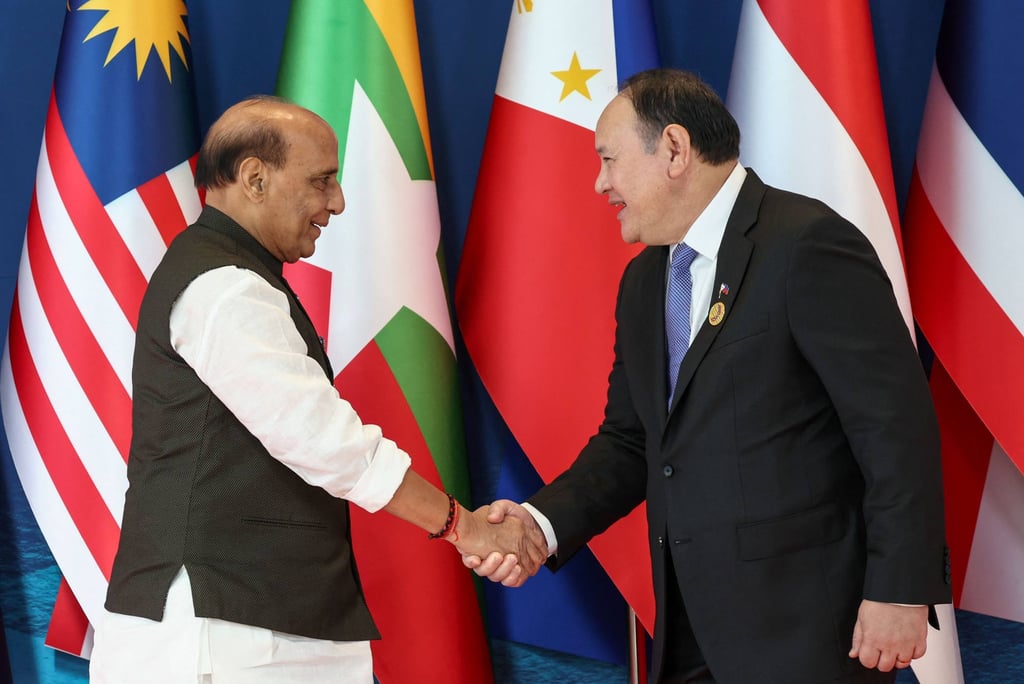
He said India’s decision to sell to the Philippines, the first Southeast Asian to acquire the BrahMos system, showed that “Indian authorities made a determination that the country is responsible and that the country would use it only for defensive purposes and not for any purpose contrary to international law”.
The Philippine military had previously lacked land-based long-range missiles, said Chester Cabalza, founder and president of International Development and Security Cooperation, a Manila-based think tank.
“Being one of the fastest cruise missiles, it can become a missile wall in the western and northern fronts of the archipelago,” he said of BrahMos.
Joshua Espena, a defence analyst and international relations lecturer at the Polytechnic University of the Philippines, said Manila was impressed with system but was “also looking at a market where some alternatives may not be as readily available”.
“With American-made missile stockpiles being drawn down by the past several months of conflict in the Middle East, India is finding itself with an unexpected opening in the global arms market,” he said.
Hard to intercept
BrahMos, jointly developed by India and Russia, has a reputation mainly as an anti-ship missile, but India is gradually developing it into a more versatile, multi-domain system, according to Espena.
“BrahMos brings the right combination of speed, accuracy and low-altitude flight characteristics that make it difficult to detect and intercept once launched – whether from shore, a ship or an aircraft,” he said.
That made it a “good fit” for Philippine requirements “particularly its pursuit of a strategy of denial through credible anti-ship capabilities”, Espena added.
Coastal defence and sea denial were the military’s main focus at present, said Vincent Kyle Parada, a foreign-policy analyst at FACTS Asia.
“Precision-strike capabilities like the BrahMos are central to this strategy,” he said. “Their range allows force employers to safeguard the country’s maritime approaches, while at the same time, imposing disproportionate costs relative to the value of enemy surface combatants. So, it’s really a mix of affordability and capability.”
The missiles’ ability to fly at supersonic speeds at low altitudes made it harder to intercept than ballistic missiles on high-arc trajectories, Parada said, adding that the latest purchase aligned with Manila’s aim of improving its external defences amid continued tensions with Beijing in disputed areas of the South China Sea.
“Capacity is as equally important as capability. You need to have a sufficient number of launchers to cover your strategic chokepoints – and a large enough inventory of missiles to keep them firing for multiple salvoes,” he said.
The new order for five transporter erector launchers “would more than double the number of batteries” currently operated by the Philippine military, he added.
Extended-range variants
Espena cautioned against overstating “what a handful of missiles can do, pointing to the military’s budgetary struggles amid stubbornly high inflation.
“Acquiring only a few missiles may not be enough to establish a credible deterrent,” he said, adding that the military leadership had likely considered “complementary options” such as drone swarms.
“After all, the idea is not to rely on expensive missiles alone, but to make the overall capability more difficult and costly for an adversary to counter.”
Parada said he expected Manila to be studying a smaller variant of the missile known as the BrahMos-NG (Next Generation), or extended-range versions “to bypass mobility issues entirely”.
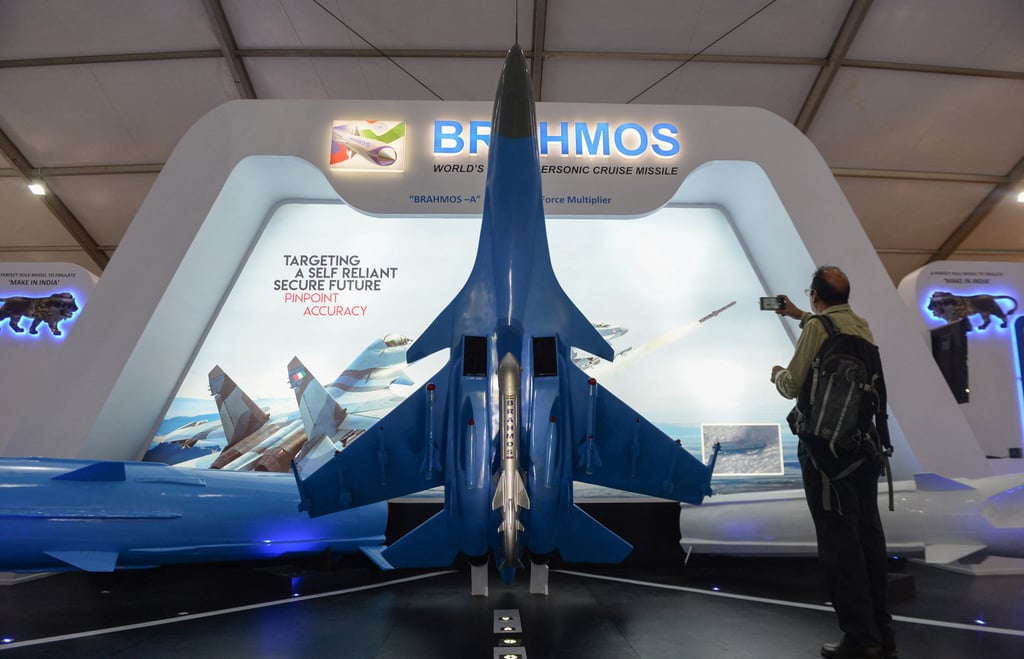
The export version of BrahMos initially had its operational range capped at 290km (180 miles), but Parada said newer “domestic extended-range variants” developed by India “may be the ones on the table for this second batch of batteries”.
Espena said the Philippine military needed lighter, more mobile BrahMos launchers.
“Remember, we’re dealing with a Philippine archipelago where infrastructure is often limited, weak or dispersed,” he said. “Whether India is willing to accommodate such modifications remains to be seen.”
Because BrahMos is an Indo-Russian joint venture, Delhi may not be able to make unilateral decisions on modifications to the system, according to Espena.
The Philippines may eventually have to deal with Russia … when it comes to negotiating certain modifications
“Moscow would likely have a say, particularly where changes affect jointly developed technology, intellectual property or existing licensing arrangements,” he said.
“In other words, the Philippines may eventually have to deal with Russia as well – not just India – when it comes to negotiating certain modifications.”
Cabalza said other modifications could include integrating artificial intelligence and other emerging technologies.
He expected the next tranche of missiles to be “bigger and more powerful” than earlier batteries, adding that Delhi’s decision to sell to Manila reflected the two countries’ “special friendship”.
KioskNews shows a cleaned-up reading view extracted from the publisher’s page — the original always lives on their site, not ours.