10 Westerns That Changed The Genre After Once Upon a Time in the West

Sky Blanton is a Movie Contributor at ScreenRant with professional experience covering movies, television, and pop culture. Her published work spans news, interviews, features, and opinion pieces, with a focus on film, franchise storytelling, and the entertainment industry.
She earned her bachelor's degree in Communications with a concentration in Professional Writing and a minor in Business Writing from Southern New Hampshire University.
The railroad was coming, and the gunfighters could do nothing to stop it. In Sergio Leone’s Once Upon a Time in the West, the coming railroad makes a stretch of frontier land worth killing for. Leone gives audiences the gunmen, sweeping Western landscapes, and drawn-out showdowns they expect from the genre. Yet the tracks running through the story promise a future in which those men have no place. Their guns can settle a score, but they cannot stop what is coming.
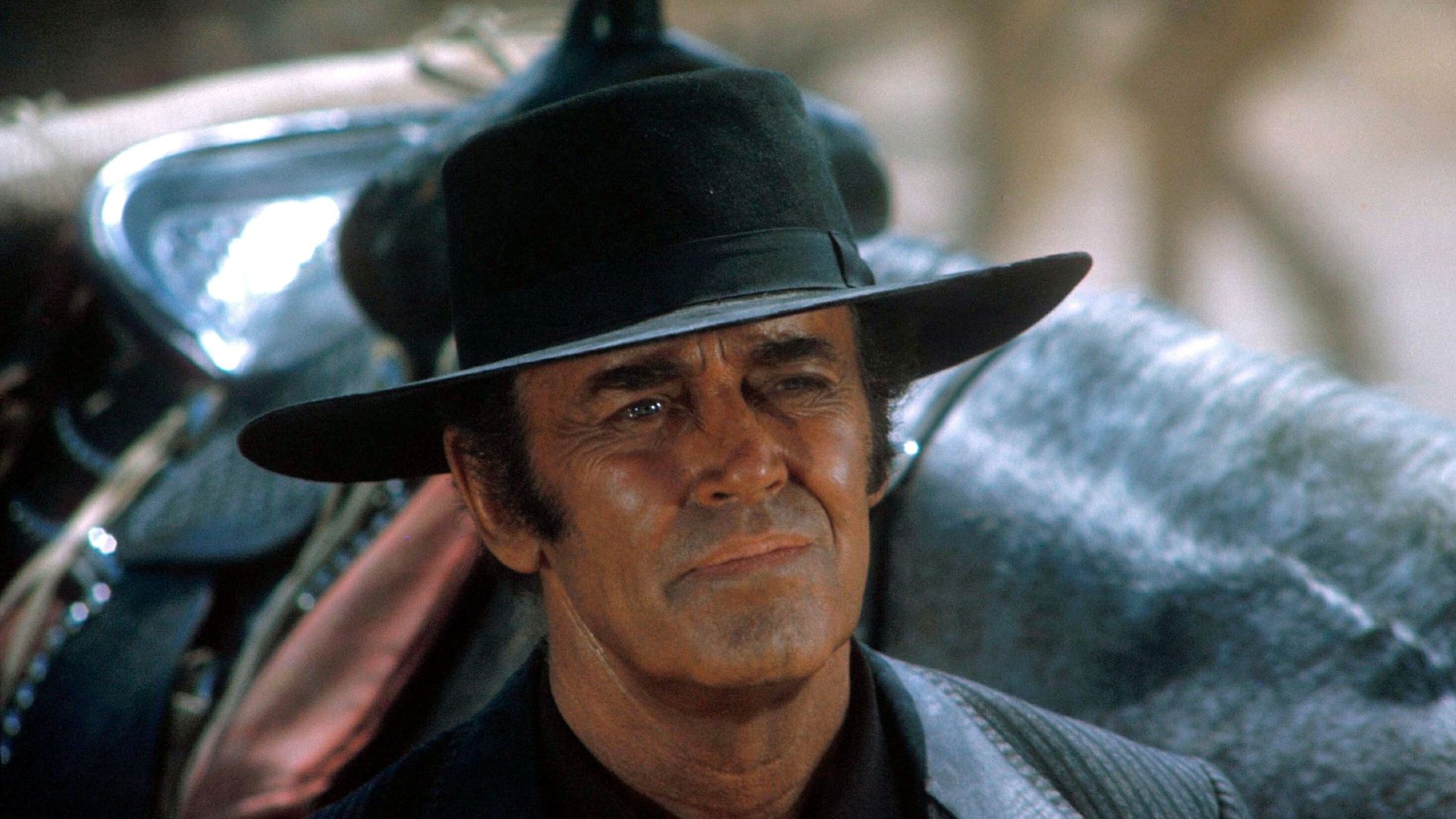
That change has a terrible cost for the McBain family. Frank and his men kill them for their property, leaving the youngest son alive just long enough to see who did it. When Frank turns toward the boy, Leone reveals that the killer is the character played by Henry Fonda, an actor audiences had spent years trusting. Frank shoots him too. The scene is shocking because of who pulls the trigger, but also because the family dies over a piece of land that someone else wants to control. The railroad’s arrival is no simple story of progress.
Later filmmakers found their own ways to challenge the Western genres' typical stories. Some made gunfights uglier and their heroes harder to admire, refusing to let a spectacular shootout erase the bodies it left behind. Others paid closer attention to people the genre had overlooked, questioned the legends built around famous outlaws, or carried its struggles over land and money into modern America. Their films take different paths from Leone’s, and from one another. Each changes something audiences thought they knew about a Western while keeping the tension that made the genre so enduring.
10 The Wild Bunch (1969)
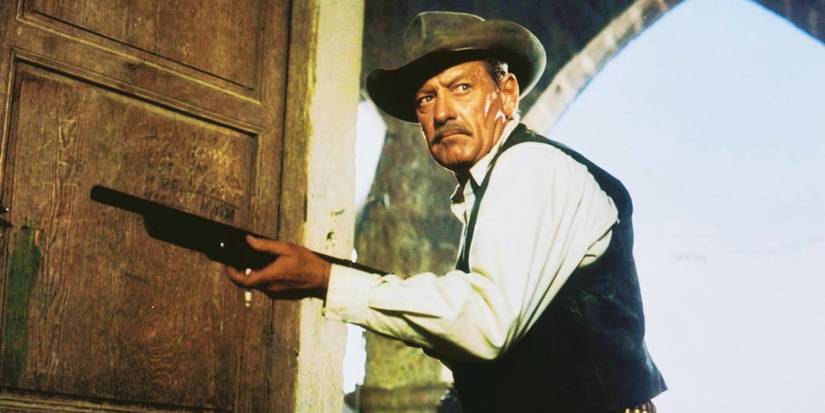
In a traditional Western, the gunfight often tells you who deserves to win. Sam Peckinpah makes that difficult in The Wild Bunch. Its opening robbery erupts beside a temperance parade, leaving civilians trapped between Pike Bishop’s gang and the bounty hunters firing from the rooftops. Peckinpah cuts between different angles and shifts into slow motion, forcing the audience to watch people fall instead of simply waiting to see which gunman survives.
The gang’s final stand is just as unsettling. Pike and his men risk their lives for Angel, giving the shootout a reason to feel heroic, but they kill on a staggering scale. The film changed what a Western gunfight could demand of its audience. Excitement no longer meant an easy conscience.
9 McCabe & Mrs. Miller (1971)
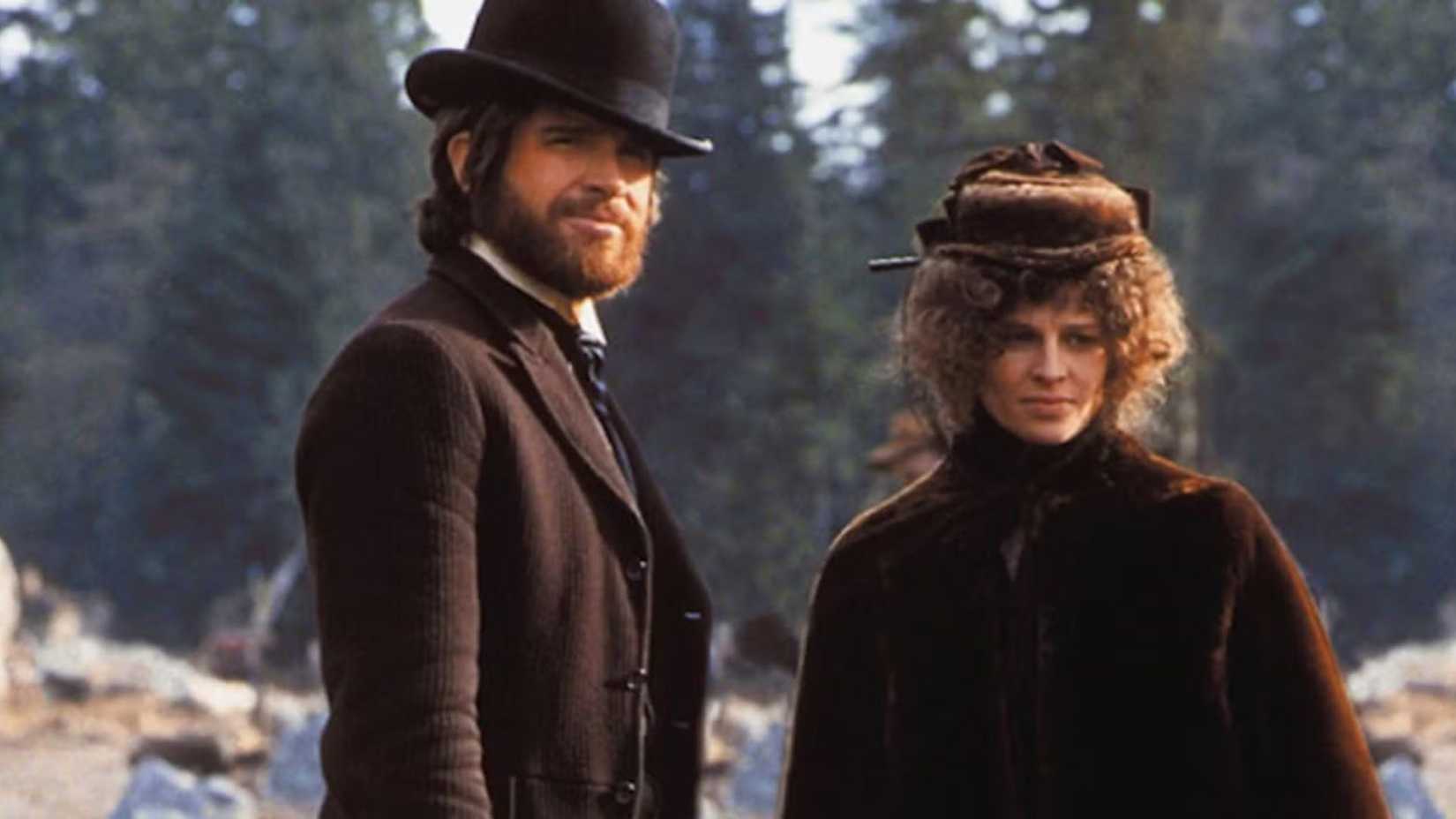
Robert Altman takes the sort of man a Western might introduce as a legendary gunfighter and lets us discover that John McCabe’s reputation is mostly a rumor. McCabe opens a brothel in a wet, half-built mining town, but Constance Miller knows far more about running it. Their business attracts a company that wants to buy them out and has the money to punish McCabe for refusing.
The usual showdown still comes, only McCabe fights alone in the snow while the townspeople rush to put out a church fire. Hardly anyone sees him. Altman’s West runs on money, and McCabe learns too late that a fearsome reputation means little when a company decides it wants his town.
8 High Plains Drifter (1973)

Clint Eastwood made a career playing the stranger who rides into town and proves quicker on the draw than anyone else. High Plains Drifter gives Lago exactly that man, then makes his arrival feel like a threat. The townspeople hire him to fend off three returning criminals, even though he has already killed several men and sexually assaulted a woman. They are desperate because they watched those criminals whip their marshal to death and did nothing.
When the Stranger has Lago painted red and renamed Hell, the town’s guilt becomes impossible to hide. Eastwood turns the Western’s reassuring protector into a figure of punishment, leaving the audience no comfortable side to take.
7 The Outlaw Josey Wales (1976)
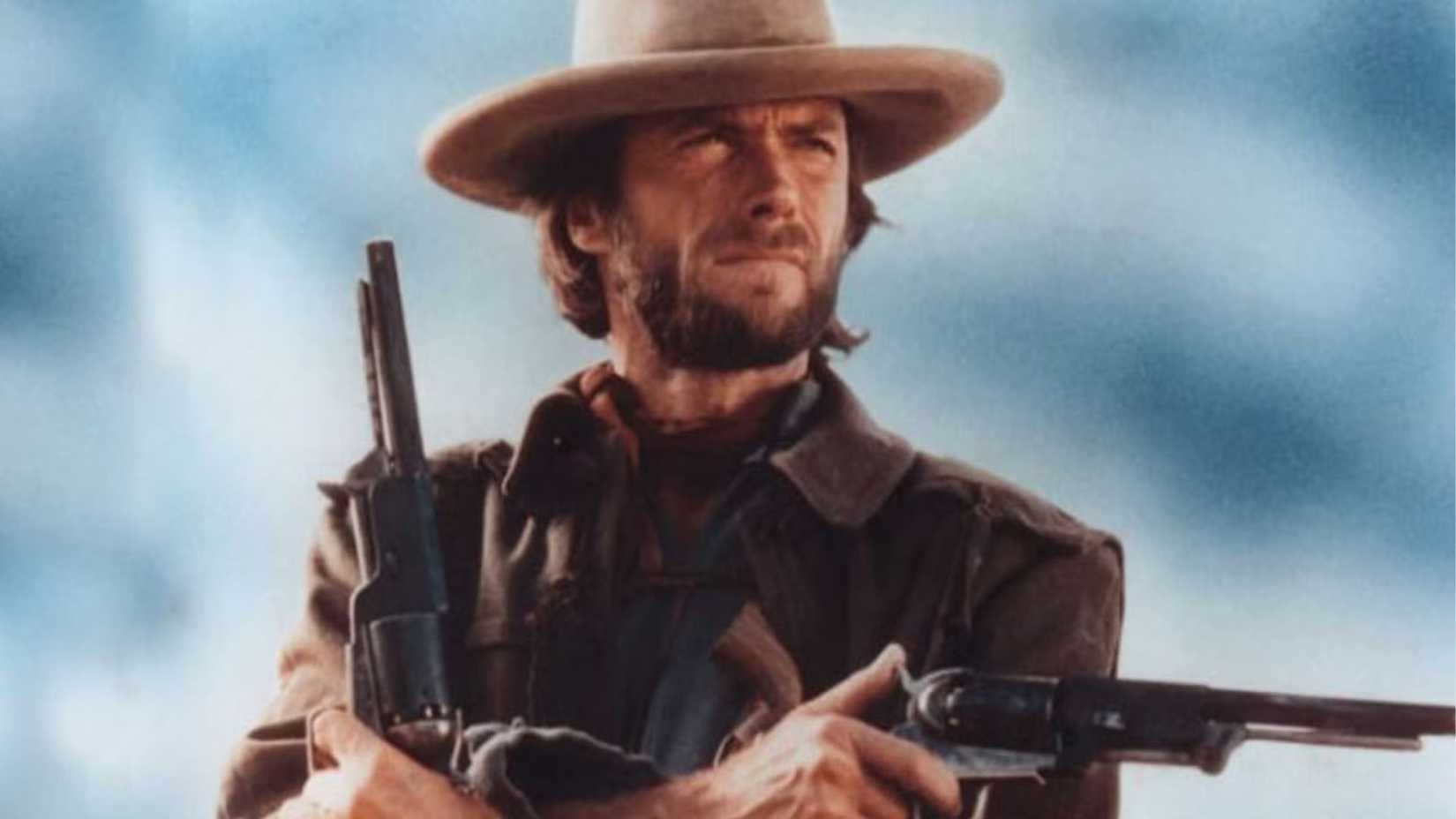
The title promises a lone outlaw settling a score. Josey Wales begins that way, hunting the Union soldiers who killed his family, but Clint Eastwood keeps adding people to his journey. Lone Watie, a Cherokee man, joins him, followed by others who have lost homes or family to violence. The gunfighter gradually finds himself responsible for a group rather than just his own revenge.
Josey’s meeting with the Comanche leader Ten Bears shows how far he has come from the man bent on revenge. Instead of drawing his guns, he talks to him and secures peace for the people at the ranch. The Outlaw Josey Wales finds a different destination for its wandering hero. He can build a life with others instead of spending the whole film chasing his enemies.
6 Dances with Wolves (1990)

Older Westerns often placed Native people in the path of a white hero’s journey west. Dances with Wolves asks its Union soldier, John Dunbar, to learn from the Lakota people living near his isolated post. Their conversations unfold in Lakota, and the extended buffalo hunt gives their lives and traditions the sweeping scale usually reserved for cavalry adventures. Dunbar’s growing trust in Kicking Bird and the village changes where the film asks its audience to place its sympathies.
Kevin Costner’s epic brought that approach to a huge mainstream audience. It still tells the story through Dunbar, a limitation worth recognizing. Even so, its frontier is a place where the arriving soldier has more to learn than to conquer.
5 Unforgiven (1992)

A gunfighter’s reputation can make killing sound like a talent. In Unforgiven, stories about William Munny’s brutal past reach the Schofield Kid before Munny does. The Kid wants to make a name for himself, but after shooting a man in an outhouse, he is shaken by the fact that the man will never get up. Clint Eastwood lets that realization sit where an older Western might put a triumphant first kill.
The film also shows how those reputations get made. English Bob travels with a writer recording his exploits, while Munny knows what his own stories leave out. Unforgiven changed the genre by making the gap between a gunfighter’s legend and the act of killing impossible to ignore.
4 Dead Man (1995)

Westerns often send a newcomer west to find a new life. William Blake reaches the frontier town of Machine and learns that the accounting job he came for has been filled. The town is dominated by a factory, and a shooting soon leaves him wounded and on the run. His journey does not bring him opportunity or turn him into a capable frontier hero.
That reversal is why Dead Man belongs here. Jim Jarmusch films the West in black and white, and Blake depends on Nobody, a Native man who understands far more about where they are going than he does. The film takes the Western’s journey into open country and follows a man who grows weaker the farther he travels.
3 No Country for Old Men (2007)

The Texas desert, a stolen fortune, and a sheriff tracking a killer give No Country for Old Men the shape of a Western, even though it takes place in 1980. A lawman like Ed Tom Bell would usually reach the violence in time to confront it. Here, he keeps arriving after the damage is done. Llewelyn Moss dies out of sight, and Bell never gets the showdown with Anton Chigurh that the chase seems to promise.
That missing confrontation is the film’s biggest change to the genre. Bell knows the land and has spent his life enforcing its laws, but neither gives him control over what happens there. The Coens bring the Western into modern Texas and leave its sheriff with a mystery he cannot settle.
2 The Assassination of Jesse James by the Coward Robert Ford (2007)

Robert Ford knows Jesse James through dime novels before he ever meets him. He expects a daring outlaw and finds a man who can be friendly at breakfast and threatening by dinner. Robert still wants Jesse to treat him as an equal. That longing makes their time together tense even when nothing much appears to be happening.
Most Westerns would end with Jesse’s death. Andrew Dominik stays with Robert afterward, as he and his brother reenact the shooting onstage. People buy tickets, then jeer at the man who pulled the trigger. Jesse is easier to love once he is dead, and Robert cannot compete with the version of him that audiences have chosen to remember.
1 Hell or High Water (2016)
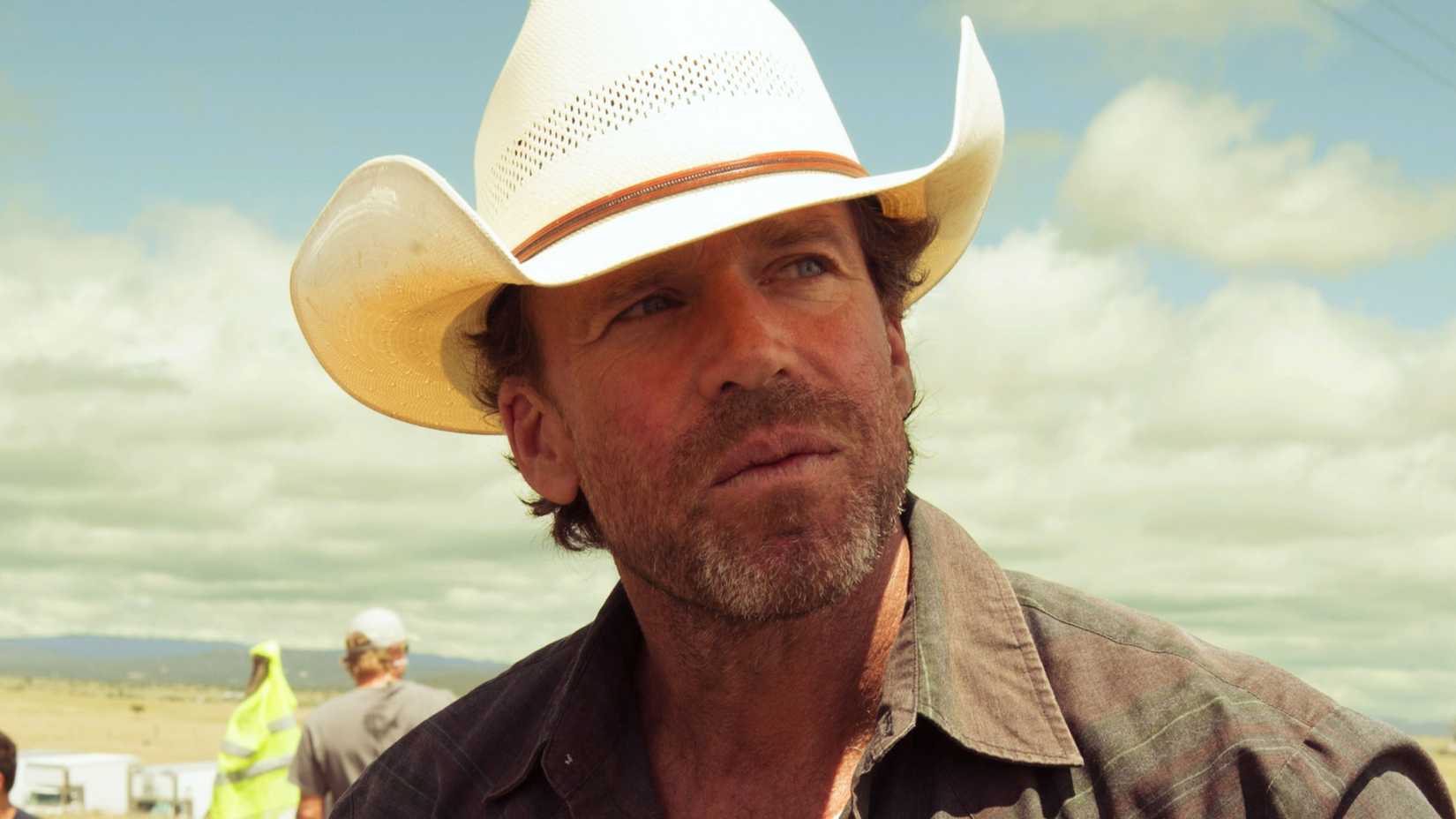
Toby Howard’s family ranch is about to be foreclosed on, so he and his brother rob branches of the bank that holds the mortgage. Toby intends to use the money to pay the debt and leave the land to his sons. It is a fight over property that an older Western might have settled with guns at the ranch. Here, the bank can take it through a loan agreement.
The brothers drive through West Texas towns marked by shuttered businesses and signs advertising loans. Their robberies are dangerous, and the Rangers pursuing them have good reason to intervene. Hell or High Water keeps the Western’s struggle over land without pretending that either side has a claim to being the hero.

- Release Date
- December 20, 1968
- Runtime
- 166 Minutes
- Director
- Sergio Leone
- Writers
- Sergio Leone, Sergio Donati, Dario Argento, Bernardo Bertolucci
KioskNews shows a cleaned-up reading view extracted from the publisher’s page — the original always lives on their site, not ours.