How DNA ‘fingerprinting’ is keeping Malaysia’s green turtles safe from poachers
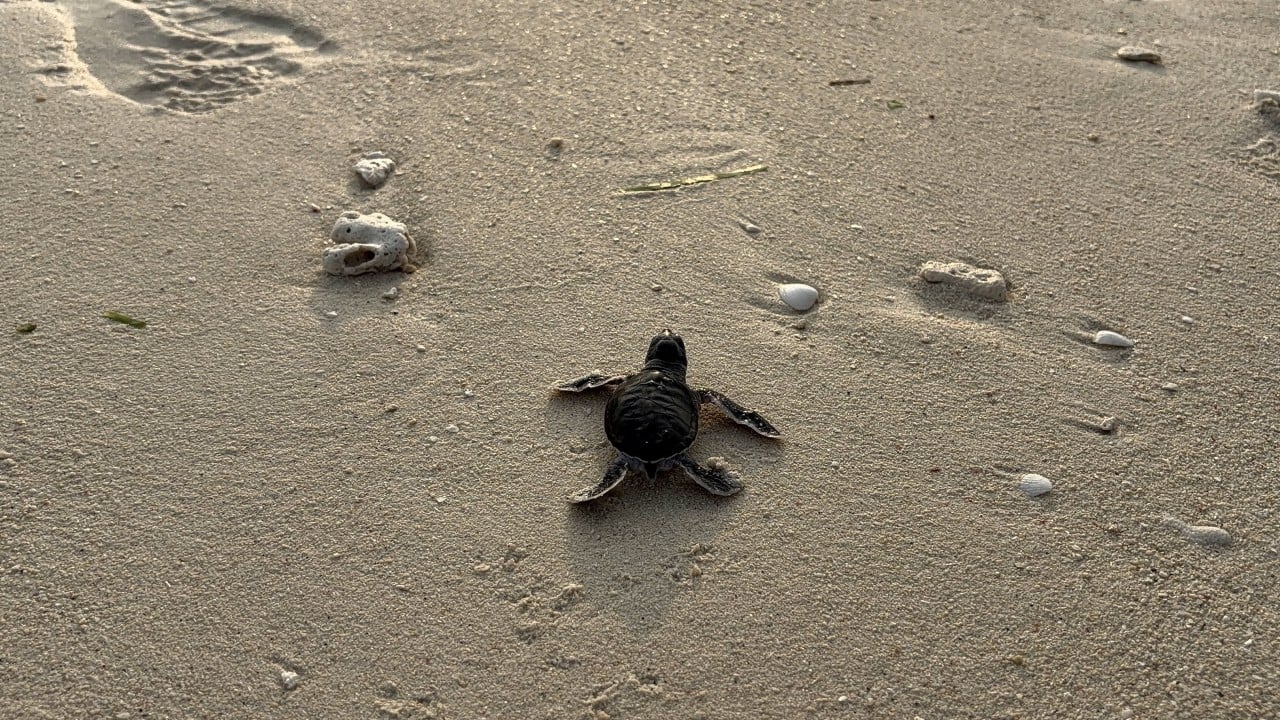
As dawn breaks on Mataking Island off Sabah’s east coast, a tiny green turtle crawls across the sand, driven by instinct towards the surf before disappearing into the ocean on a journey that could cover thousands of kilometres.
Where it goes is impossible to know, but with a huge dose of luck on its epic travels, it may return to the same Malaysian beach decades later to lay eggs of its own.
The hatchling is one of tens of thousands that emerge from Sabah’s beaches each year, as the species continues a remarkable recovery after decades of conservation efforts to reverse its decline.
Today, Mataking Island – a teardrop-shaped outcrop in the Celebes Sea – is a luxury diving retreat. At low tide, a sandbar dubbed “Moses Crossing” connects its smaller islets, where visitors are greeted by green turtles of all sizes grazing on seagrass among the reefs.
The global DNA database fuelling Malaysia’s green turtle comeback
Green turtles have staged a miraculous comeback in recent years. In 2025, they were reclassified from ‘endangered’ to ‘least concern’ – becoming the first marine turtle species to move out of the threat categories on the International Union for Conservation of Nature (IUCN) Red List, which tracks the global extinction risk and conservation status of animals, plants and fungi.
Science has played a vital role in protecting these shelled aquatic reptiles. When they hatch, they are just a few inches long and weigh about as much as a single battery – yet as adults, they grow up to 1.2 metres (4ft) in length and weigh a hefty 200kg (440lbs).
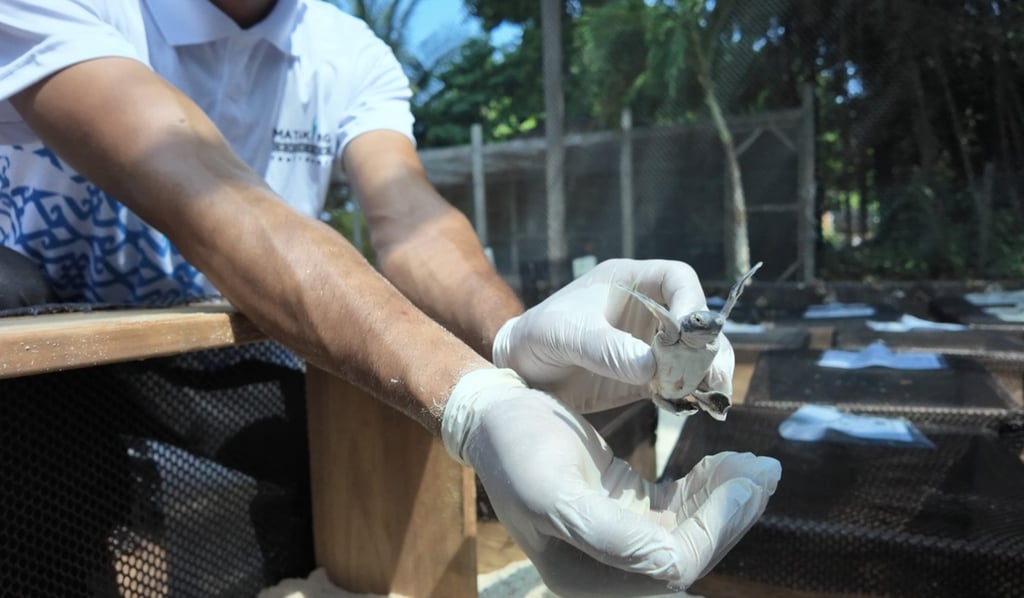
Now, tiny tissue samples are giving conservationists something close to a genetic address. By allowing scientists to trace where turtles originate, the technique is an important tool in combating wildlife trafficking, as turtles continue to be targeted by poachers for their meat and eggs, which are sought after as exotic delicacies in parts of Vietnam and China.
“Turtles don’t stay in one place. They cross borders,” marine biologist Juanita Joseph told This Week in Asia, explaining the need for a system to “fingerprint” the reptiles.
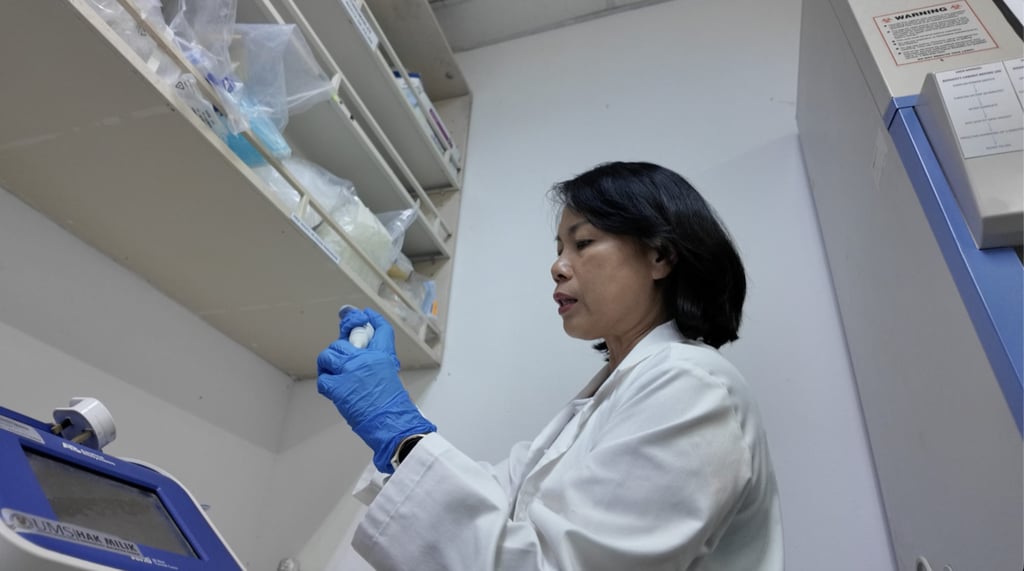
Joseph is working at the University of Malaysia Sabah to help build ShellBank, a global DNA database of marine turtle populations.
Every two to four years, mature females return to the exact beaches where they hatched to lay their eggs. But in between, they cross vast stretches of ocean to reach feeding grounds far beyond Malaysia’s borders.
In Sabah’s Turtle Islands Park, conservation efforts date back decades, with more than 20,000 nests recorded annually. Since 1977, Sabah Parks said more than 14 million hatchlings had been released from these islands.
It is a recovery that stands out against a bleaker global backdrop for wildlife. The WWF’s Living Planet Report 2026, published on Thursday, identified a 73 per cent decline in monitored vertebrate wildlife populations between 1970 and 2022.
Daudi Sumba, chief conservation officer at WWF International, said concerted action is crucial to sustaining these gains, pointing to the green turtle as a rare bright spot.
“If those efforts stop, we can lose recovery,” Sumba said. “Positive tipping points and self-reinforcing feedback loops can help keep recovery on track and sustain it over the long term.”
But major challenges remain to ensure green turtles stay a conservation success story, Sabah Parks director Maklarin Lakim told This Week in Asia.
“These are marine parks and there are no boundaries that we can physically fence off,” he said. “We do not have many staff [and] the assets we have, such as boats, are also limited … costs are high, especially with the price of fuel now.”
Given these constraints, Sabah Parks’ marine protectors are not overly celebrating the green turtle’s improved status on the Red List, pointing to concerns over the much rarer hawksbill turtle.
“Even though we are happy about one species, for another species we are worried,” Maklarin said.
Lifelong protection
For marine biologists, building a complete picture of the population and habits of a creature on the move for most of its life is a constant challenge.
“If you want to save turtles, it’s not just one particular component at the beach. It’s the whole sea turtle life cycle,” said Gavin Jolis, marine species strategy manager at WWF-Malaysia.
Major green turtle populations in the region span Indonesia, the Philippines, Vietnam and Thailand. A turtle nesting in Sabah may travel to feeding grounds near the Philippines or Indonesia, exposing it to threats beyond the reach of Malaysian conservation authorities.
The ShellBank database aims to track the health of nesting populations, their migration paths and how they navigate lives at sea that can span several decades.
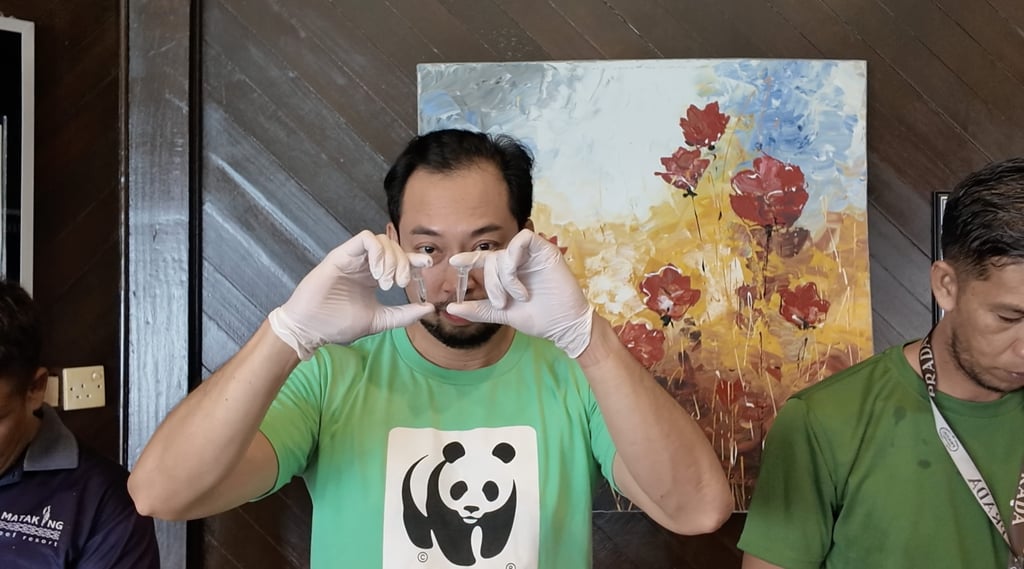
Similarly, DNA collected from turtles at feeding grounds, from carcasses or taken from trafficked products can be matched back to their population of origin.
Joseph said her team began collecting genetic samples from Malaysian nesting beaches in 1998 and from feeding grounds in 2011, with those samples now contributing to ShellBank.
But the database remains a work in progress as researchers gather enough samples across nesting populations to fully map the region. Unlike satellite tracking, which follows individual animals and can be costly, genetic profiling enables researchers to map connections across entire populations.
Samples from turtle meat, shells or other products seized across the region can reveal whether they originated from populations in Malaysia, Indonesia, the Philippines or further afield.
“ShellBank is a tool. It’s only one of the tools that’s gonna help us with [the] conservation of turtles,” Joseph said.
As the sun peeks over the horizon on Mataking, a bale of turtle hatchlings scrambles across the sand, tiny flippers carrying them towards an ocean they will explore for decades to come.
The surviving females will eventually rely on their internal navigation systems to return to these same shores to lay the next generation of eggs – sustaining a cycle that conservationists have spent decades fighting to protect.
“‘Least Concern’ does not mean ‘no concern’,” Jolis said of the IUCN reclassification. “What it does show is that long-term conservation action is working.”
KioskNews shows a cleaned-up reading view extracted from the publisher’s page — the original always lives on their site, not ours.