China-Switzerland trade partnership offers a model amid fraught EU ties
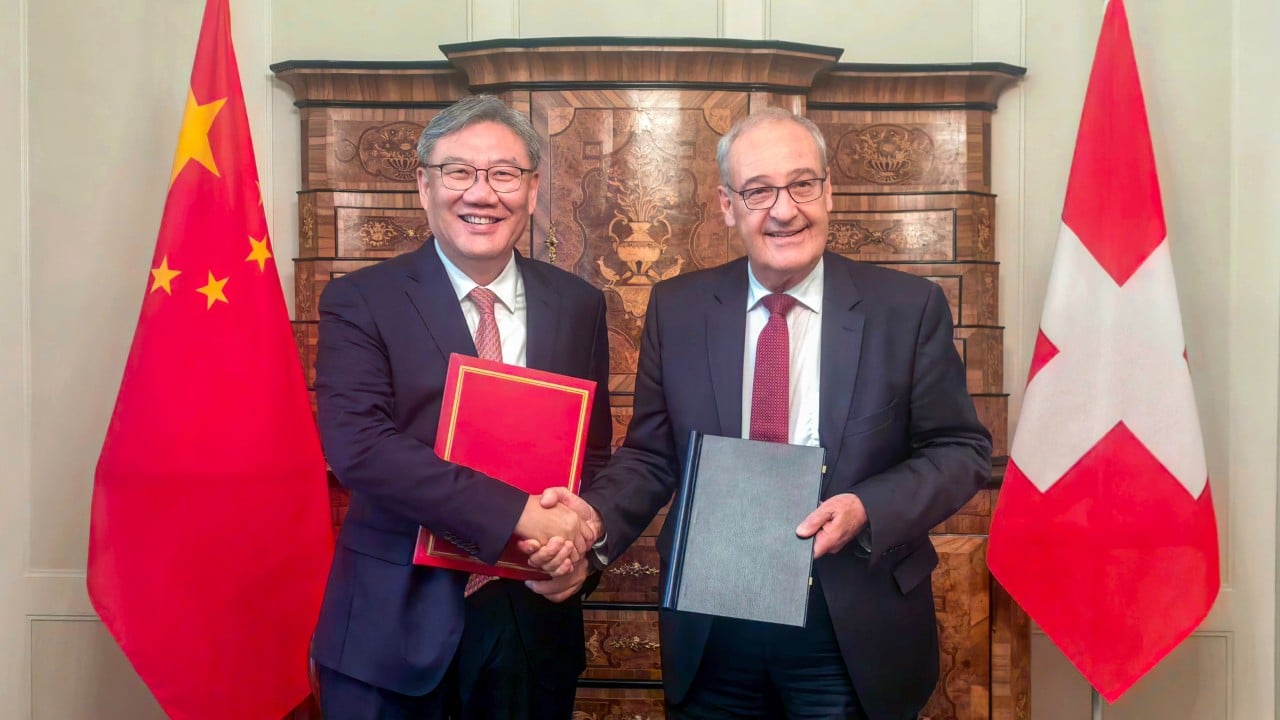
China has framed its relationship with Switzerland as a model of practical, mutually beneficial cooperation at a time when its broader ties with the European Union remain more complicated and politically charged.
Just before Swiss President Guy Parmelin’s recent visit to Beijing, a Chinese foreign ministry spokesman noted that 2026 marks the 10th anniversary of the China-Switzerland innovative strategic partnership, with adherence to free trade singled out as its principal highlight.
Switzerland’s importance to Beijing lies partly in its symbolic and commercial roles.
It was the first country on the European continent to sign a free-trade agreement with China. That agreement entered into force more than a decade ago and has helped facilitate bilateral business exchanges. Last month, Switzerland became the first European country to formally upgrade its free-trade agreement with China.
For China, the Swiss relationship offers a comparatively uncomplicated narrative; Switzerland is a wealthy, neutral European state with a long-standing commitment to open markets, deep financial and industrial expertise, and a willingness to negotiate directly with Beijing.
The corporate dimension makes the partnership more tangible. Swiss companies have invested in China for decades: Schindler helped establish China’s first Western industrial joint venture in the early 1980s, while Nestlé, Roche, Novartis, ABB Group and other Swiss firms subsequently built manufacturing, research and commercial operations there.
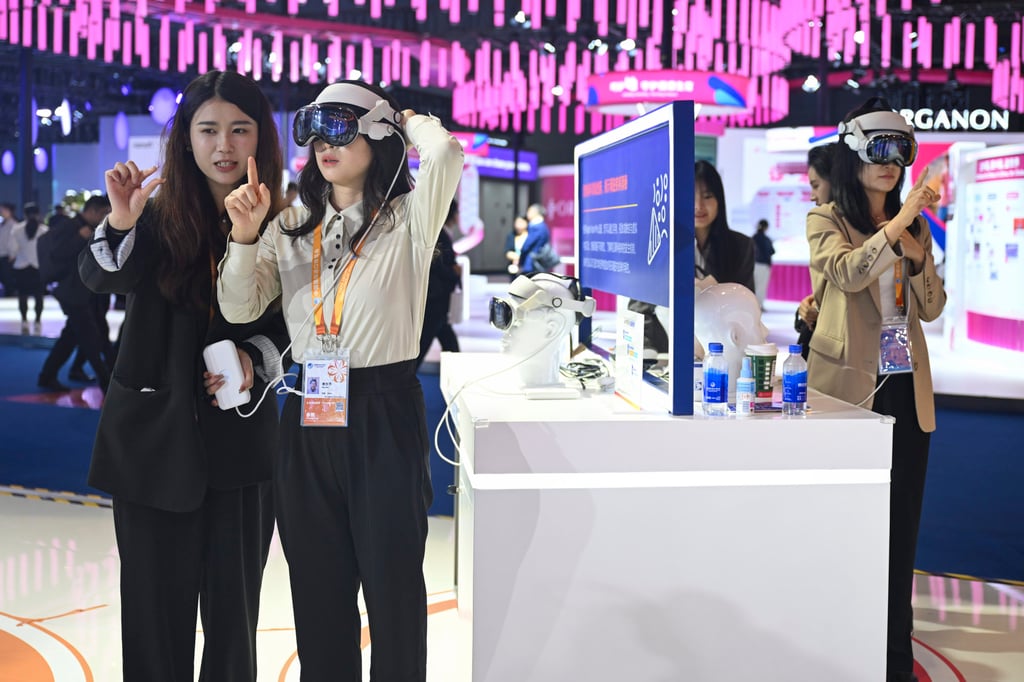
Those commitments remain substantial. Roche announced last year a US$282 million investment in a new biomanufacturing hub in Shanghai, while ABB employs more than 14,000 people in China, its second-largest market. Nestlé, meanwhile, maintains a major operation in China with tens of thousands of employees across manufacturing, research, and commercial functions.
Swiss pharmaceutical companies have also become increasingly integrated with Chinese innovation. Roche has pursued a licensing partnership with Chinese biotech MediLink Therapeutics with a potential valuation of US$1 billion and has expanded production and research-linked investment in China, while Novartis has committed several billion yuan to strengthen its radioligand therapy ecosystem in the country.
Chinese investment has flowed in the other direction as well. The most prominent case is China National Chemical Corp’s US$43 billion acquisition of Basel-based agricultural science company Syngenta AG, completed in 2017 and widely described as the largest foreign acquisition ever made by a Chinese company at the time. The deal gave ChemChina access to Syngenta’s global seeds, crop protection and research capabilities.
Other Chinese companies have built a presence in Switzerland through acquisitions and operations. Huawei Technologies established operations in Switzerland in 2008 and later opened research centres in Zurich and Lausanne. Lenovo is also among the Chinese firms operating in the Swiss market.
These examples illustrate why business representatives accompanying Parmelin identified pharmaceuticals, machinery manufacturing, finance, watches and the green transition as priority areas for expanded investment and cooperation. China’s commerce ministry said Swiss firms planned to increase investment in China’s pharmaceutical and machinery manufacturing sectors after the visit.
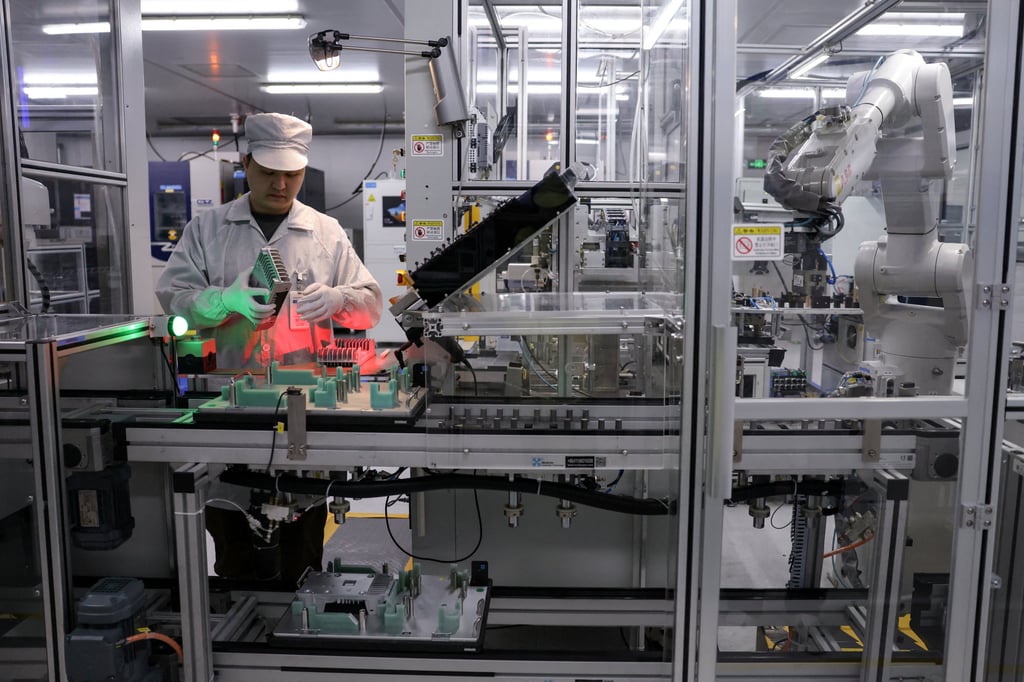
The contrast with China-EU relations is therefore not simply one of warmth vs coldness. It is a contrast between a compact, interest-driven bilateral partnership and a much larger, more institutionally complex relationship shaped by security concerns, human rights disputes, industrial policy competition and transatlantic pressures.
SCMP Plus is a new premium news platform that gives you an
all-inclusive edge to stay ahead on China news.
To access our exclusive content you’ll need to subscribe.
Already a subscriber?
LOG IN
China continues to describe the EU as an “important partner” and has repeatedly called for dialogue, stable supply chains and predictable conditions for companies. Yet the EU relationship lacks the clear, completed deliverables that China and Switzerland have showcased.
The Swiss free-trade upgrade gives Beijing a concrete example of European engagement producing tangible commercial results at a time when China-EU economic ties continue to experience tensions over market access, subsidies, technology and geopolitical alignment.
That is why Switzerland is presented as a partner whose cooperation with China has “consistently been among the best in Europe”. Chinese President Xi Jinping’s language during his meeting with Parmelin explicitly connected the bilateral relationship to the wider China-Europe economic relationship, calling on both countries to inject confidence and certainty into China-Europe trade cooperation and global development.
02:05
Emboldened EU readies China company ‘kill switch’ as Beijing warns Brussels not to ‘fantasise’
The timing matters. Beijing’s emphasis on “certainty” regarding China-Europe economic and trade cooperation reflects a world economy facing protectionist pressures, disrupted supply chains and growing policy unpredictability. The China-Switzerland free-trade cooperation is being contrasted with unilateralism and protectionism, presenting the partnership as a practical rebuttal to those trends.
The Swiss example does not necessarily translate into a China-EU breakthrough. The EU negotiates as a bloc, and its relationship with China involves far larger volumes, more sectors and more strategic sensitivities. But Beijing clearly hopes the Swiss agreement will serve as a reference point: evidence that reduced barriers, regulatory cooperation and high-level political engagement can still deliver results.
Whether that model can influence China-EU ties remains uncertain. But China’s message is clear: it sees Switzerland not merely as a partner, but as a bridge when political will and commercial interests align.
KioskNews shows a cleaned-up reading view extracted from the publisher’s page — the original always lives on their site, not ours.