Investing where Malaysians can age in comfort and confidence
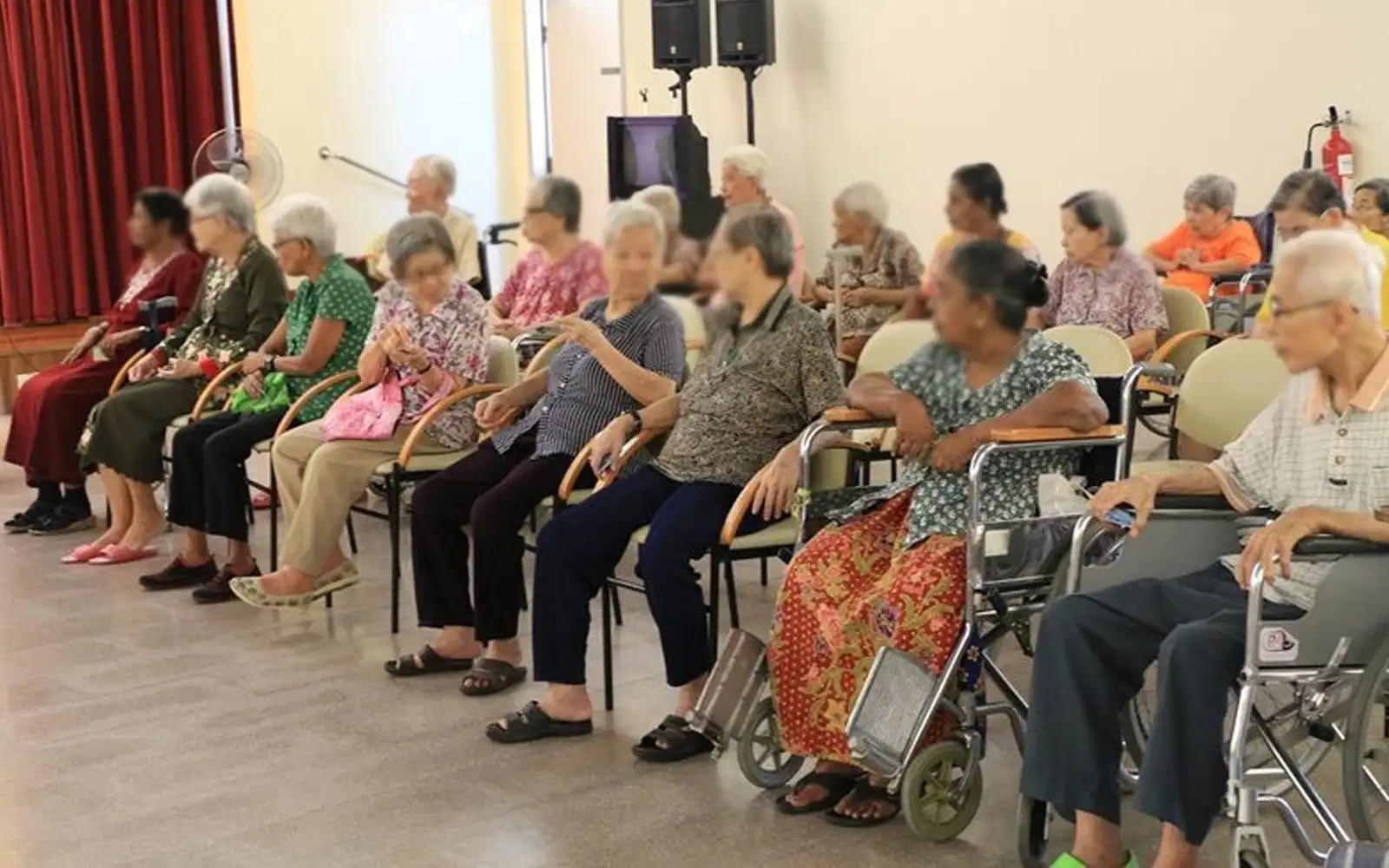
The 2027 budget brings fresh momentum to Malaysia’s preparations for longer lives.
Its wider investment commitments, including RM25 billion from government-linked investment companies, provide a timely setting to consider how capital, housing and care can work together for older Malaysians.
The opportunity is to translate that momentum into responsible investment in care, housing, healthcare, technology and services that families can depend on. The task is to turn that momentum into services that families can depend on.
The scale is clear. Asean’s population aged 60 and over stood at 74.4 million in 2020 and is projected to reach 127 million by 2035. The speed matters, too. France had 115 years to make the transition to an aged society. Malaysia will have about 27 years.
The statistics department’s preliminary estimates for 2026 put the population aged 60 and above at 4.2 million, or 12.3% of the total. These figures make healthy ageing an immediate infrastructure and investment priority.
The recent call by the finance ministry to invest responsibly in the longevity economy remains an important starting point. As proposals take shape, it helps to keep their purpose in view: preserving independence, supporting changing needs and creating lasting value for both families and investors.
Care becomes investable when we can show that the service works for people as well as the numbers work for capital.
We should begin with the person rather than the building.
The National Health and Morbidity Survey 2025 found that 60% of older Malaysians were pre-frail, representing about 2.4 million people. Another 10.7% were already frail. This strengthens the case for earlier support, before greater dependency develops.
Most people hope to remain independent and connected to familiar surroundings for as long as they can. Their needs may then change gradually, or suddenly after an illness or a fall. A useful care system must offer choices between living at home with support and receiving more intensive help. Day services, rehabilitation, home nursing, assisted living and residential care each have a place.
The surroundings matter, too. A home that worked well at 45 may be harder to manage at 75. Stairs, maintenance, transport and access to healthcare can become obstacles. This does not necessarily mean someone needs residential care. It may mean the environment needs to adapt so that independence can continue.
The property sector, therefore, has a role beyond supplying more retirement units. Adaptable homes, accessible public spaces, walkable neighbourhoods and connections to health and community services can help people remain active and involved. Independence should be understood through the life a person can lead, as well as where they live.
This has consequences for development. A well-designed building matters, alongside its continuing usefulness as residents’ needs change.
Early collaboration with the care operator can help align design, skilled staffing and the support families may need over time. Clear information about services and costs helps families plan with greater confidence.
For families, the real test is simple: will this place still be right for someone they love when that person needs more help?
These considerations also strengthen the investment case. Local demand, sustainable pricing, staffing, governance and long-term maintenance deserve attention together. An adaptable, operationally viable development can better serve residents and sustain investor confidence.
The reduction in service tax on elderly care, together with the exemption announced in the 2027 budget, offers welcome relief for families.
They also provide a useful occasion to consider affordability across the full range of needs, from accommodation and daily living to more intensive care. Middle-income families and lower-income households should remain part of that planning. Affordability cannot be added as an afterthought.
Developers, care providers, insurers, employers and policymakers each have a role in exploring practical ways for people to pay for support across different stages of needs. Different households will need different arrangements. Community services, rental options and supported access can complement ownership models, where local evidence and sustainable funding support them.
The announced allocation of more than RM40 million to train 8,000 people in elderly care reinforces the importance of the workforce. Training, supervision and staff retention deserve the same early attention as land and buildings. Investing in people helps turn a well-designed setting into dependable and trustworthy care.
The proposed Senior Citizens Bill is a further reminder of the value of clear responsibility and accountability.
Safeguarding, transparent fees, accessible complaints procedures and standards that can be monitored help families, operators and investors build confidence together.
The same care should guide how progress is measured. Alongside beds built and units sold, attention should go to residents’ social connections, consistent care, timely support and staff development. These outcomes help show whether investment is adding value to everyday life.
One of us, Sri Nadarajah, was born in Malaysia and spent much of his working life developing businesses abroad. That experience taught him to respect both ambition and execution. A promising idea must survive contact with the practical details: land, finance, operations, people and accountability.
Malaysia does not need to choose between commercial discipline and doing good. The strongest care investments will require both.
The budget provides momentum; thoughtful partnerships can carry it forward. Institutional capital has a role alongside government, communities and responsible private operators.
With local evidence, adaptable design and clear delivery responsibilities, Malaysia can build homes and services that remain dependable as lives change. That is how longevity becomes part of the country’s working social infrastructure.
Khin Nadarajah and Sri Nadarajah are the founders of Venus Healthcare, a specialist care provider.
The views expressed are those of the writers and do not necessarily reflect those of FMT.
Subscribe to our newsletter and get news delivered to your mailbox.
KioskNews shows a cleaned-up reading view extracted from the publisher’s page — the original always lives on their site, not ours.