Kuching North achieves Level 1 Smart City status, now sets sights on Level 2
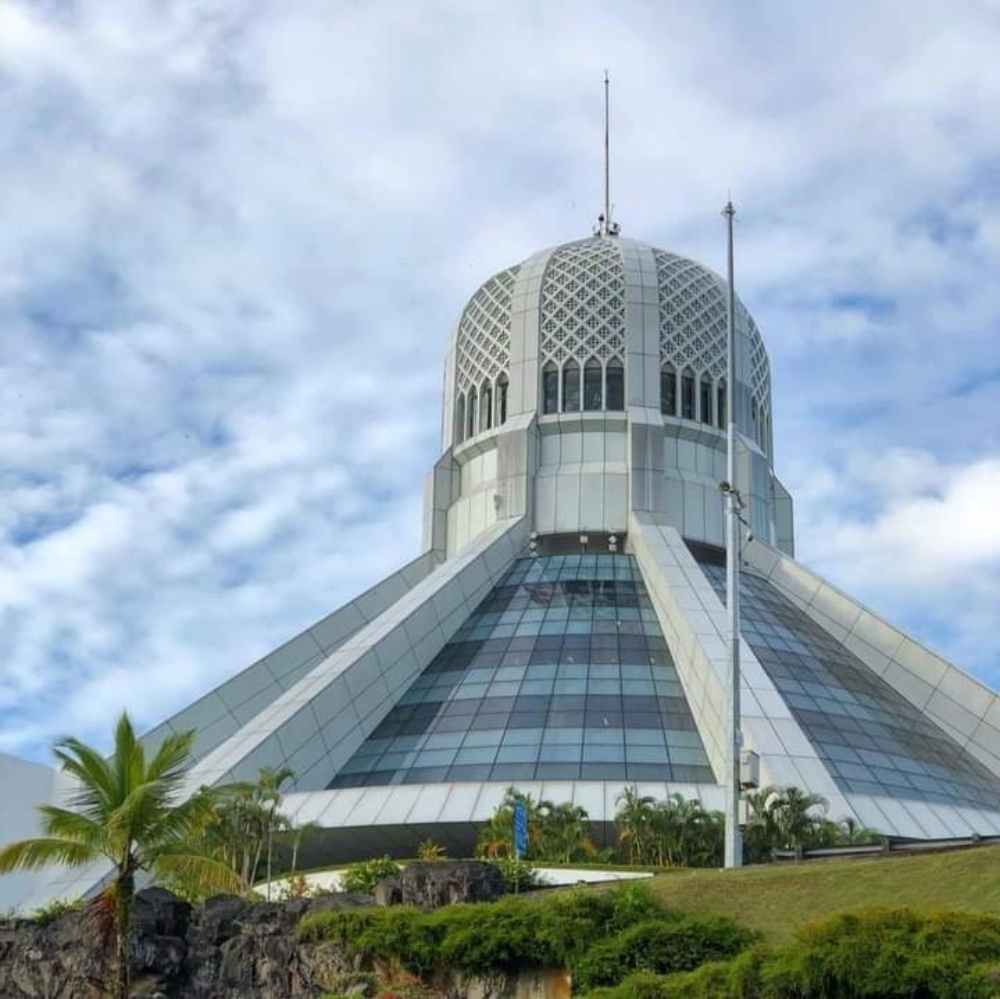

The headquarters of the Kuching North City Commission at Bukit Siol in Petra Jaya, Kuching. Kuching North is expanding its use of digital technology, including smart traffic lights, surveillance systems and satellite data, to improve urban management. — The Borneo Post pic
First Published: Wednesday, 28 Oct 2026 10:02 AM MYT
KUCHING, Oct 28 — Kuching North has achieved Smart City Level 1 under the Smart City Rating Criteria set by the Ministry of Housing and Local Government (KPKT), with efforts now geared towards meeting the requirements for Level 2.
Caretaker Minister in the Premier’s Department Datuk Dr Abdul Rahman Junaidi said the achievement reflected Kuching North City Commission’s (DBKU) continued efforts to strengthen urban governance through technology and innovation.
In his welcoming speech at the Sarawak Urban Forum 2.0 here on Monday, he said DBKU had been strengthening its smart city agenda through the digitalisation of services and adoption of technology to improve the efficiency of urban management.
“Through the i-DBKU platform, DBKU continues to expand digital service delivery to provide more efficient, integrated and people-friendly services,” he said.
Among the smart city initiatives implemented by DBKU are smart street lighting, smart traffic lights, Geographic Information System, and closed-circuit television systems.
Dr Abdul Rahman also highlighted DBKU’s strategic collaboration with the Malaysian Space Agency through a memorandum of understanding, which opens up opportunities to use space technology and satellite data for urban management, environmental monitoring, land-use planning, and disaster management.
He said the collaboration demonstrated the potential of technology to improve urban planning and management while helping the city prepare for future challenges.
“A future-ready city is not determined solely by the modernity of its infrastructure, sophistication of its technology or economic growth.
“Rather, it is a city that can anticipate change, address challenges effectively, adapt to new circumstances and ensure its people continue to enjoy a high quality of life,” he said.
He said cities today face various challenges such as climate change, waste management, urban mobility, environmental sustainability and digital transformation.
“Therefore, we must ensure that urban development is carried out in a balanced manner, alongside heritage preservation, environmental protection and community well-being,” he added.
On Kuching’s development, Dr Abdul Rahman said the city should continue to modernise while preserving its historical identity and cultural uniqueness.
Progress, he stressed, must benefit all segments of society without neglecting the interests of future generations.
He added that urban development should not be measured solely by the number of buildings constructed, infrastructure improvements or economic growth, but also by the quality of life, community well-being and the ability to meet the needs of present and future generations. — The Borneo Post
KioskNews shows a cleaned-up reading view extracted from the publisher’s page — the original always lives on their site, not ours.