Red Bull challenges food safety regulator’s ban on ‘energy drink’ label
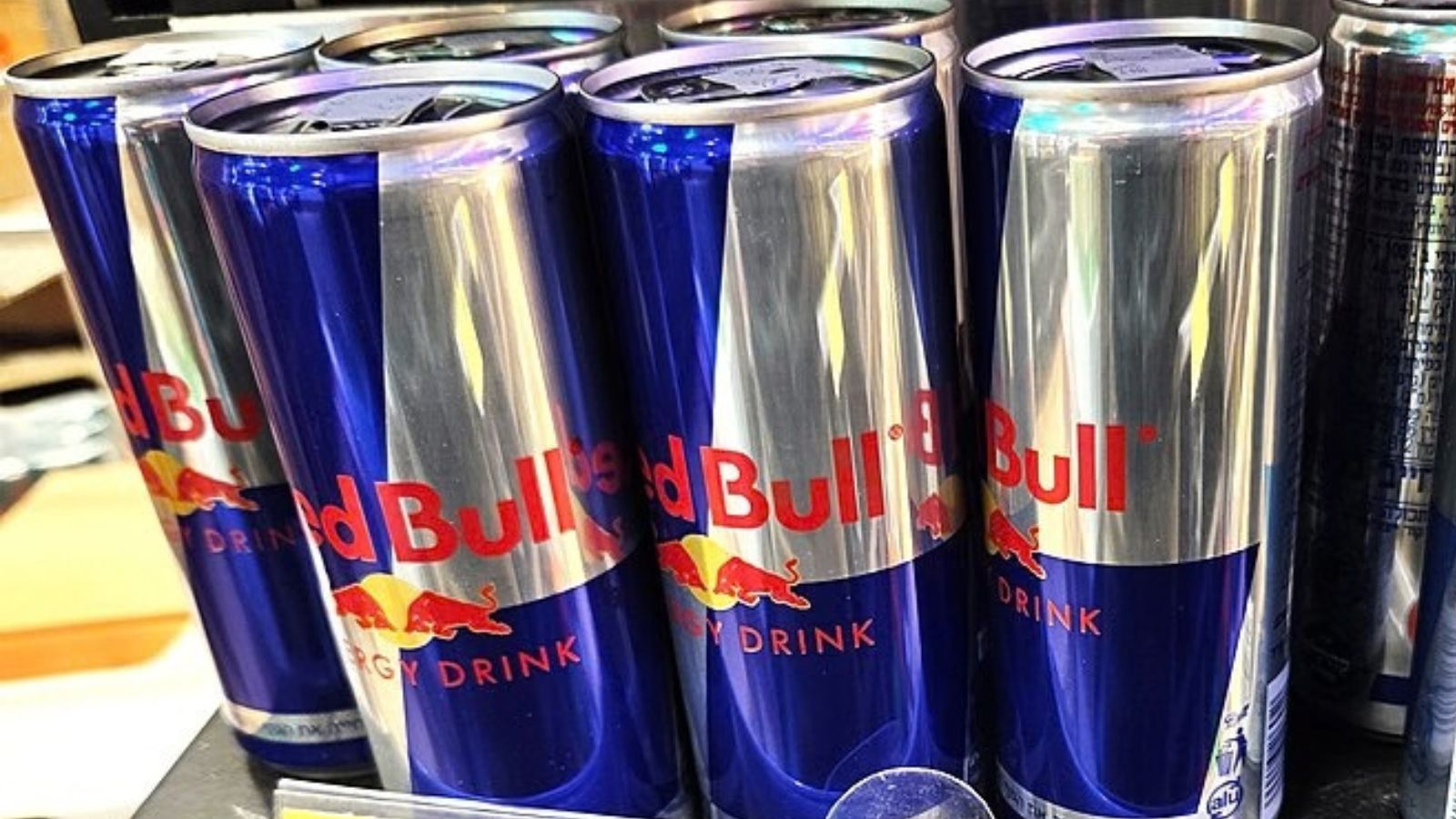
Red Bull India has approached the Delhi High Court, claiming that the regulatory process was not followed before the use of the globally recognised descriptor was prohibited. (Photo: Wikimedia Commons)
Austrian beverage company Red Bull has challenged the Indian food regulator Food Safety and Standards Authority of India’s (FSSAI) decision to prohibit the use of the term “energy drink” on high-caffeine beverages, arguing that the order was issued without prior notice and is creating uncertainty for its investments in the country.
Red Bull India has approached the Delhi High Court, claiming that the regulatory process was not followed before the use of the globally recognised descriptor was prohibited, according to the company’s court filing seen by Reuters.
The case marks the first legal challenge to the move, which is part of a wider food safety enforcement drive in India that has seen regulators carry out surprise inspections and examine compliance by major companies.
In June, India directed manufacturers of high-caffeine beverages marketed as “energy drinks” to stop using the description on their products. Authorities also rejected attempts to delay the intervention in a market that is projected to reach USD 1.6 billion by 2028.
The decision has brought Red Bull into conflict with Indian regulators alongside other major players, including Pepsi, Monster Beverage and billionaire Mukesh Ambani’s Reliance. Companies have warned that removing the category label could affect brands that have been built around claims of providing instant energy.
Red Bull says order threatens investments
In its petition filed on September 25, Red Bull India argued that the prohibition was imposed without a change to the underlying product standard.
The company described the move as an “abrupt prohibition” and said it “introduces substantial regulatory uncertainty and adversely affects” its existing and planned commercial investments in India.
Story continues below this ad
Red Bull also argued that the order runs contrary to India’s stated policy of facilitating “international trade, promote investment and provide greater certainty to businesses”.
The company said its “effect is to bring the petitioner’s entire business to a standstill”.
A government source said the Food Safety and Standards Authority of India (FSSAI) would defend the decision in court. The source said the regulator had historically not permitted the use of “energy drinks” on product labels.
India’s energy drinks market expands
India’s energy drinks market has expanded rapidly, with retail sales estimated to be growing 12.6% annually, faster than in the United States and China, according to Euromonitor.
Story continues below this ad
The market received a major boost after Pepsi launched Sting in India in 2017. Its 20-rupee ($0.21) plastic bottles became particularly popular among consumers aged 15 to 19, Euromonitor estimates.
Red Bull’s revenue in India reached $130 million in 2024, more than twice the figure recorded four years earlier.
The wider category is projected to generate $1.6 billion in Indian retail sales by 2028.
Health concerns over high-caffeine drinks
Energy drinks have also attracted scrutiny from regulators in several countries because of concerns over ingredients including high levels of caffeine and sugar, as well as taurine, an amino acid.
Story continues below this ad
England is set to prohibit the sale of energy drinks to children under 16 from April next year.
KioskNews shows a cleaned-up reading view extracted from the publisher’s page — the original always lives on their site, not ours.