MoTA, IGNCA pact seeks to save country’s vanishing tribal heritage
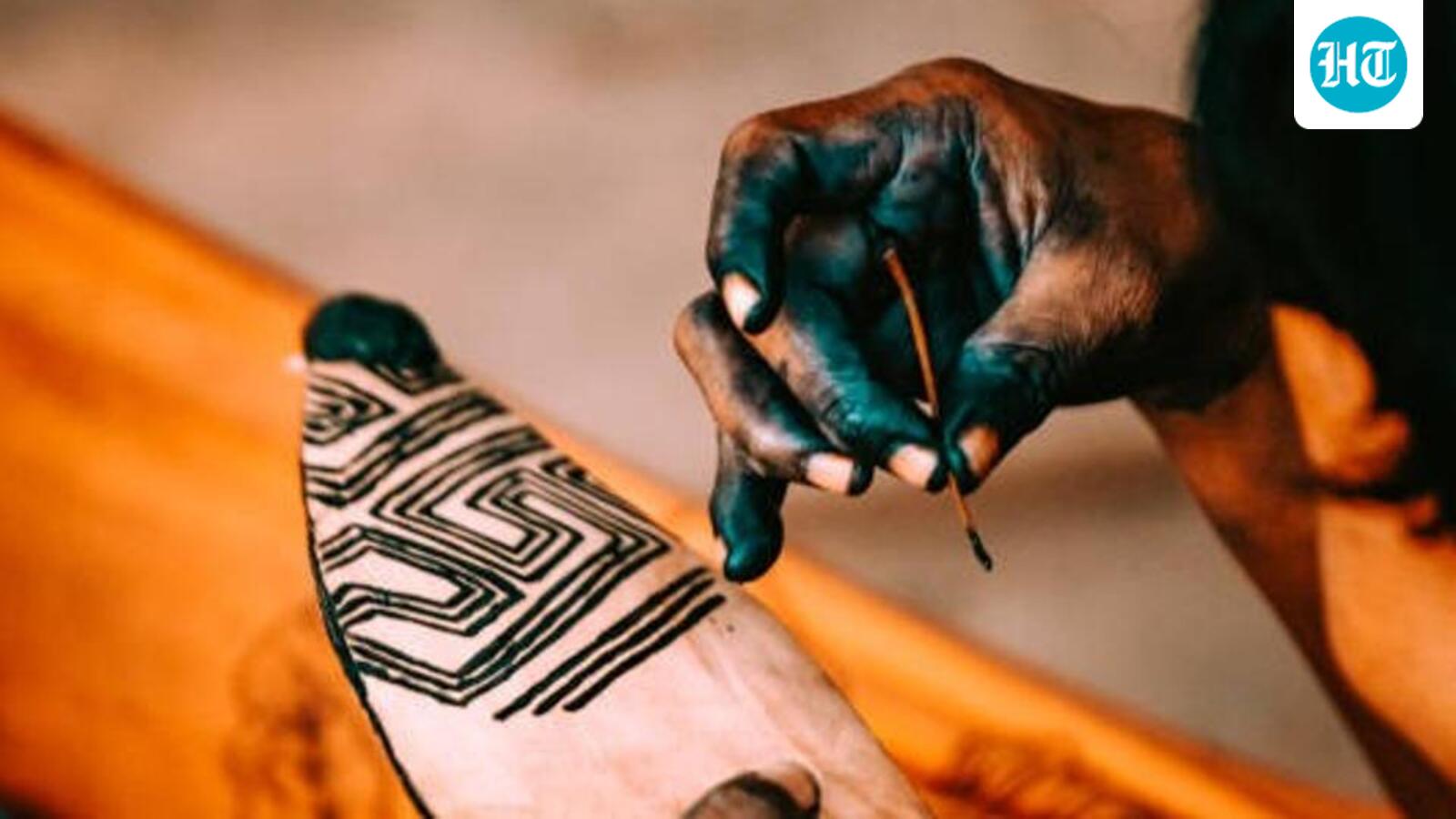
The country’s vanishing tribal languages, oral traditions, indigenous art forms and traditional knowledge will be the focus of a new five-year collaboration between the Ministry of Tribal Affairs (MoTA) and the Indira Gandhi National Centre for the Arts (IGNCA), aimed at creating systematic documentation and preservation mechanisms for the country’s diverse tribal heritage.
The two institutions signed a memorandum of understanding (MoU) on Monday covering the identification, preservation, documentation, digitisation, publication and dissemination of tribal arts, music, musical instruments, cuisines and other cultural traditions. The agreement also seeks to document customary practices and traditional ecological knowledge.
Also Read:Half of Odisha’s most vulnerable tribals cut off from welfare schemes: CAG report
A senior MoTA official said that the collaboration comes with an emphasis on cultural traditions that are endangered or at risk of being lost and under the agreement, the institutions will work towards creating knowledge repositories and archives and organising exhibitions dedicated to tribal culture.
“The MoU envisages support for sustainable livelihood programmes for tribal artisans and performers by providing opportunities on national and international platforms, including exhibitions and workshops. It also provides for academic exchanges, knowledge-sharing and capacity-building programmes focusing on the history, culture and social development of tribal communities,” he said, asking not to be named.
He further said that another significant component will be the development of dedicated galleries and state-of-the-art digital museums showcasing tribal arts and artefacts, as well as the historical contribution of tribal communities to India’s freedom struggle.
The institutions will also support youth camps in schools, universities and other centres of learning to familiarise students with tribal cultural values, conservation practices and the diversity of tribal customary practices.
Ranjana Chopra, the secretary of ministry of tribal affairs, said that MoTA will identify priority areas and themes for documentation and preservation and facilitate coordination with Tribal Research Institutes (TRIs) and other relevant institutions.
“It will also facilitate the participation of tribal scholars, artists, artisans, cultural practitioners, language experts and traditional knowledge holders in research, documentation, exhibitions and workshops. IGNCA, an autonomous trust under the Ministry of Culture, will provide academic, technical, archival and curatorial expertise. Through its regional centres, it will support TRIs in documenting tribal languages, oral traditions, folklore, traditional knowledge, arts, crafts, music, dance, material culture and customary practices. It will also assist in designing museum layouts, digital displays and interactive cultural content,” she said.
The agreement has also laid down provisions on intellectual property. Intellectual property generated under the MoU will belong to MoTA, while proceeds from its use will be directed towards or utilised for the benefit of the concerned tribal communities through mechanisms facilitated by the ministry, subject to existing laws.
The secretary further said that the MoU says the arrangement will not affect recognised or vested traditional and community rights of tribal communities and keepers of traditional knowledge relating to folklore, languages, art forms, oral traditions, traditional medicines, technologies and customary practices.
“The pact is non-financial and does not involve any transfer of funds, grants, fees or other monetary consideration between the two institutions. Its activities will be undertaken on a mutually agreed, best-efforts basis and subject to institutional resources, administrative approvals and applicable rules. A Joint Coordination Committee may be constituted to provide strategic guidance and review progress,” she said.
KioskNews shows a cleaned-up reading view extracted from the publisher’s page — the original always lives on their site, not ours.