Chinese wife asks online gamers to repeatedly ‘kill’ husband to curb late-night gaming habit

A woman in southern China’s Guangdong province called on gamers to “kill” her husband in an online game to stop him staying up all night playing the game. Her plan worked after numerous players joined the hunt.
The woman, surnamed Chen, posted a video on November 14 showing her husband, surnamed Li, playing the online game. She asked other players to “kill” him at around 1am so he would come to bed with her.
Chen said Li had stayed up playing until 3 or 4am for the previous three nights, disturbing her sleep.
Many netizens initially took her request as a joke. But Li’s response in the video soon changed their minds. Ignoring Chen’s plea for help, he confidently declared that it was “impossible for them to find him.”
“I wasn’t going to help your wife, but you’ve given me a good reason to hunt you down,” one player commented.
The video revealed Li’s in-game ID, “tiantiankaixin” – Chinese for “happy every day” – as well as his location and character.
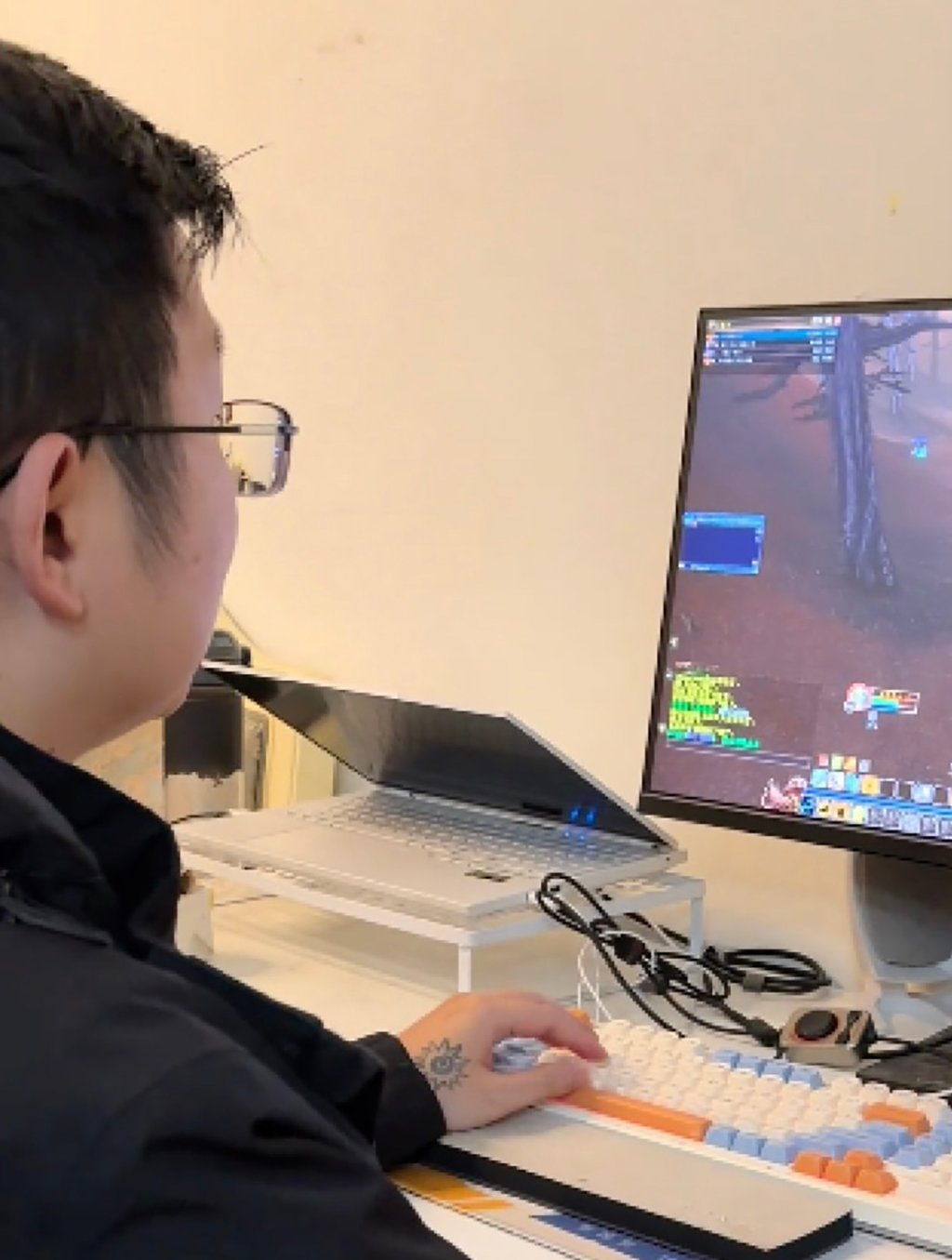
Over the following nights, numerous players logged into the game with one mission: to find and kill “tiantiankaixin.” During one three-hour stretch, Li was repeatedly killed. Each time, he had to make a “corpse run” – running as a spirit from a graveyard back to the place where his character had died so he could resurrect.
On the second night after Chen posted her appeal, Li went to bed before midnight. Chen said it was the earliest he had gone to sleep all year.
Other players using the same ID, “tiantiankaixin,” were also mistakenly targeted.
Some joked that “tiantiankaixin” had become an Easter egg – or a hidden boss – in the game. One player quipped: “‘Tiantiankaixin’ has become ‘tiantianxintong’” – a play on words meaning “heartbroken every day.”
Another commenter took a more serious tone: “I support the wife’s request. He has the freedom playing games, but staying up late to play is very harmful to his health.”

On the fourth day, Chen said Li had switched to a character with an invisible mode, but players continued to report his location and hunt him down.
Even World of Warcraft’s official Chinese account posted a video joking about “the wife’s bounty on her husband.”
Li has reportedly since stopped staying up late to play online games.
The World Health Organization formally included gaming disorder in the 11th Revision of the International Classification of Diseases in 2019, prompting changes in public health policy and clinical practice related to gaming addiction in China.
Li’s gaming habits do not appear severe enough to meet the criteria for gaming disorder. However, doctors have warned that staying up late can pose health risks, including sleep problems and memory loss, and, in more serious cases, cardiovascular and cerebrovascular diseases.
KioskNews shows a cleaned-up reading view extracted from the publisher’s page — the original always lives on their site, not ours.