Terracotta warriors were mainly built by women and children, batch fingerprints show
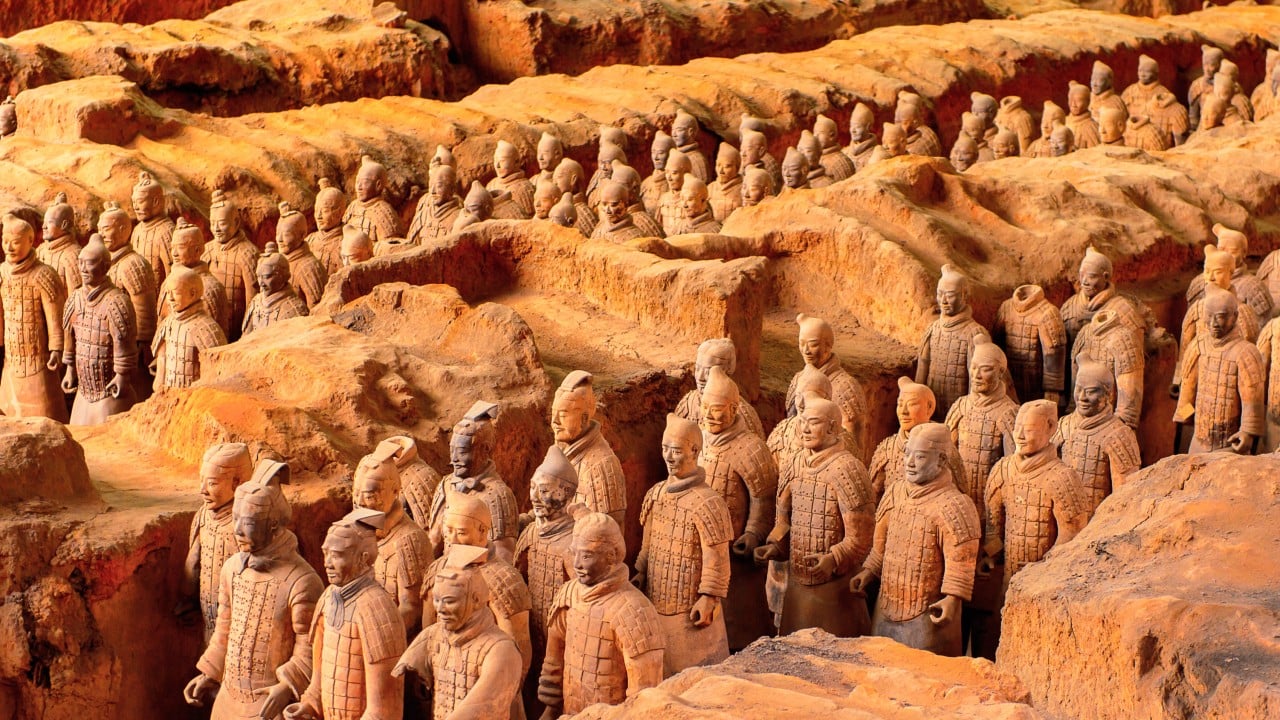
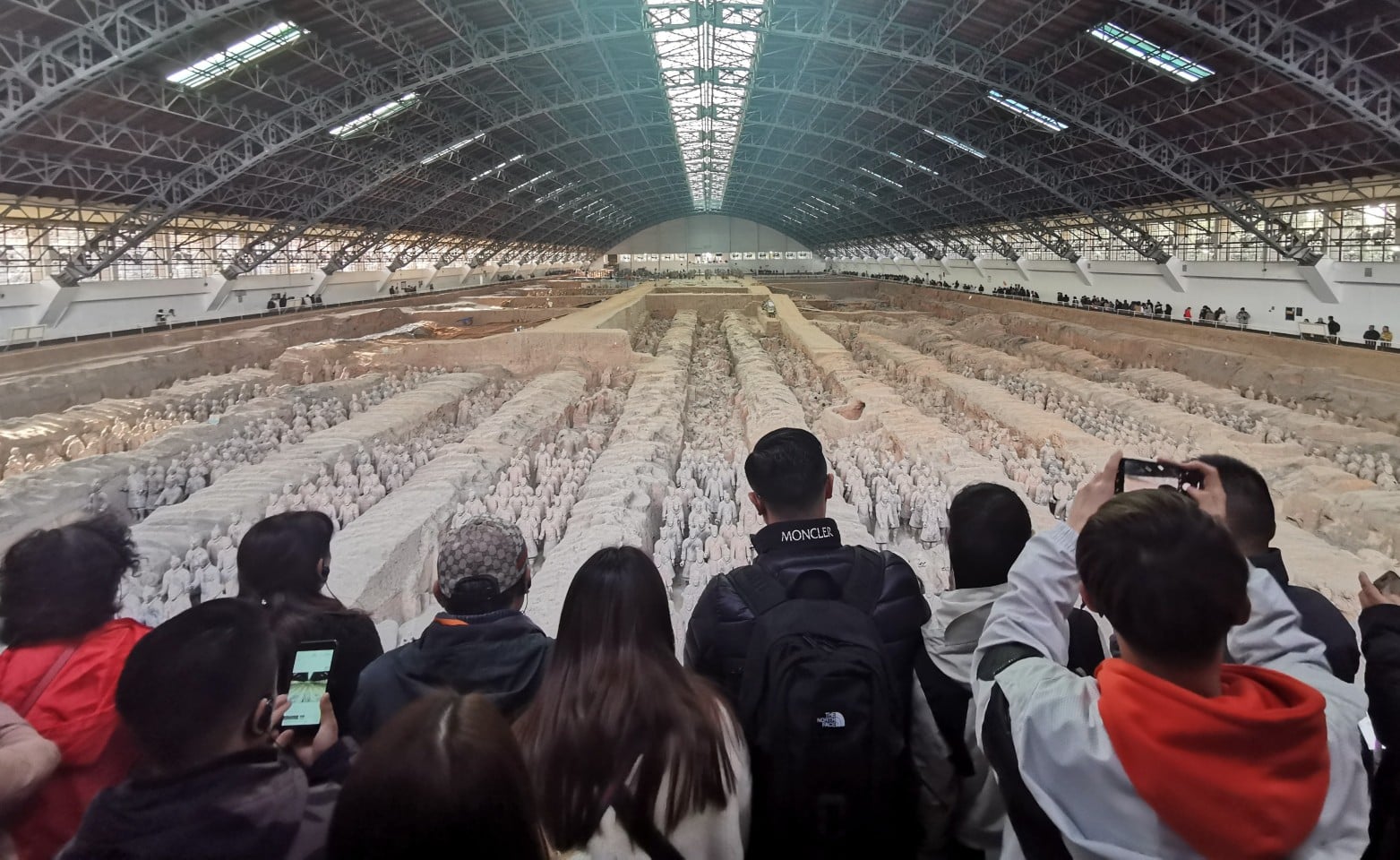
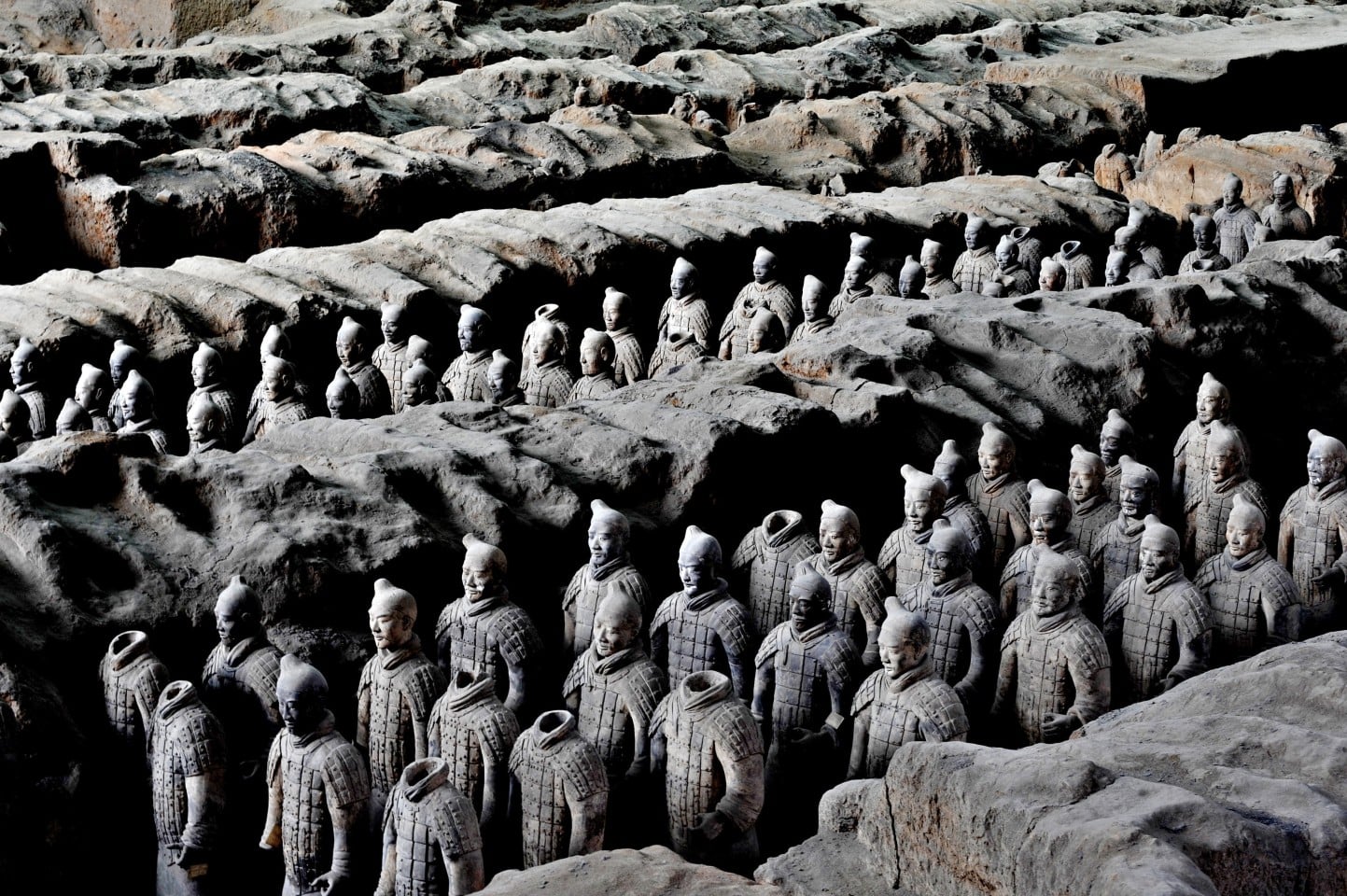
Some 5 metres underground near one of China’s oldest cities lies the life-size army of thousands of terracotta warriors.
The purpose of the army, located 35km northeast of historic Xian, was to protect China’s first emperor, Qin Shi Huang, in the afterlife. The Terracotta Army was buried with him after his death in 210BC.
Now, a new study shows that a portion of the terracotta warriors was largely made by adult women and minors, not solely by men as previously thought.
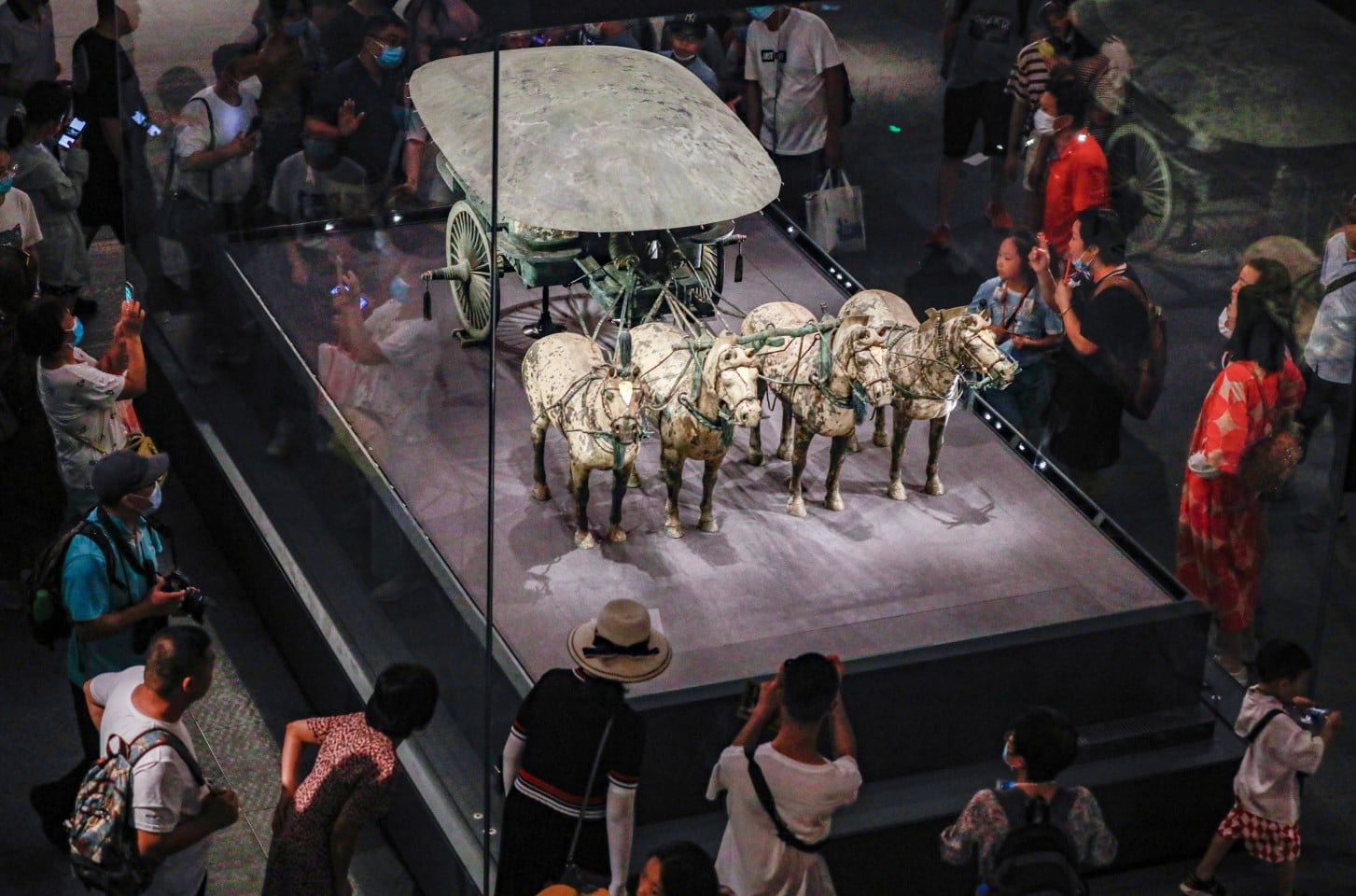
14
“These findings challenge the long-held assumption that Terracotta Army production relied exclusively on adult male labour, providing the first quantitative biological evidence for a diverse workforce including women and children,” Shen Jingyi wrote in the paper published on October 13 in the peer-reviewed Journal of Cultural Heritage.
Shen, the corresponding author of the paper, is an associate professor at the School of Archaeology at Shandong University.
The researchers’ model estimates that adult males accounted for about 45 per cent of the total fingerprints, adult females for nearly 32.7 per cent and the remaining 22.3 per cent came from minors under 15 years old – the legal threshold for adulthood under Qin dynasty law.
Previously, archaeologists believed that large-scale handicraft production during the Qin dynasty (221-207BC) was undertaken only by adult males. However, there was a lack of direct evidence regarding the creators of the Terracotta Army.
State broadcaster CCTV stated last year that, using modern scientific instruments, researchers at the Emperor Qin Shi Huang’s Mausoleum Site Museum had found over 100 fingerprints on more than 40 unearthed Terracotta Warrior figurines.
While it was the first time minors’ fingerprints were discovered, it was still believed that the artisans’ fingerprints were predominantly those of adult males.
Shen’s team took a different approach. She analysed 79 well-preserved fingerprints found on 36 Terracotta Warriors in Unit T23 of Pit 1 of the Mausoleum of the First Qin Emperor.
To distinguish between males and females, researchers used a Bayesian mixture model, which could analyse an entire group of fingerprints at once, rather than attempting to classify each trace.
The researchers also compared ancient fingerprints with modern fingerprint data of different ages and genders.
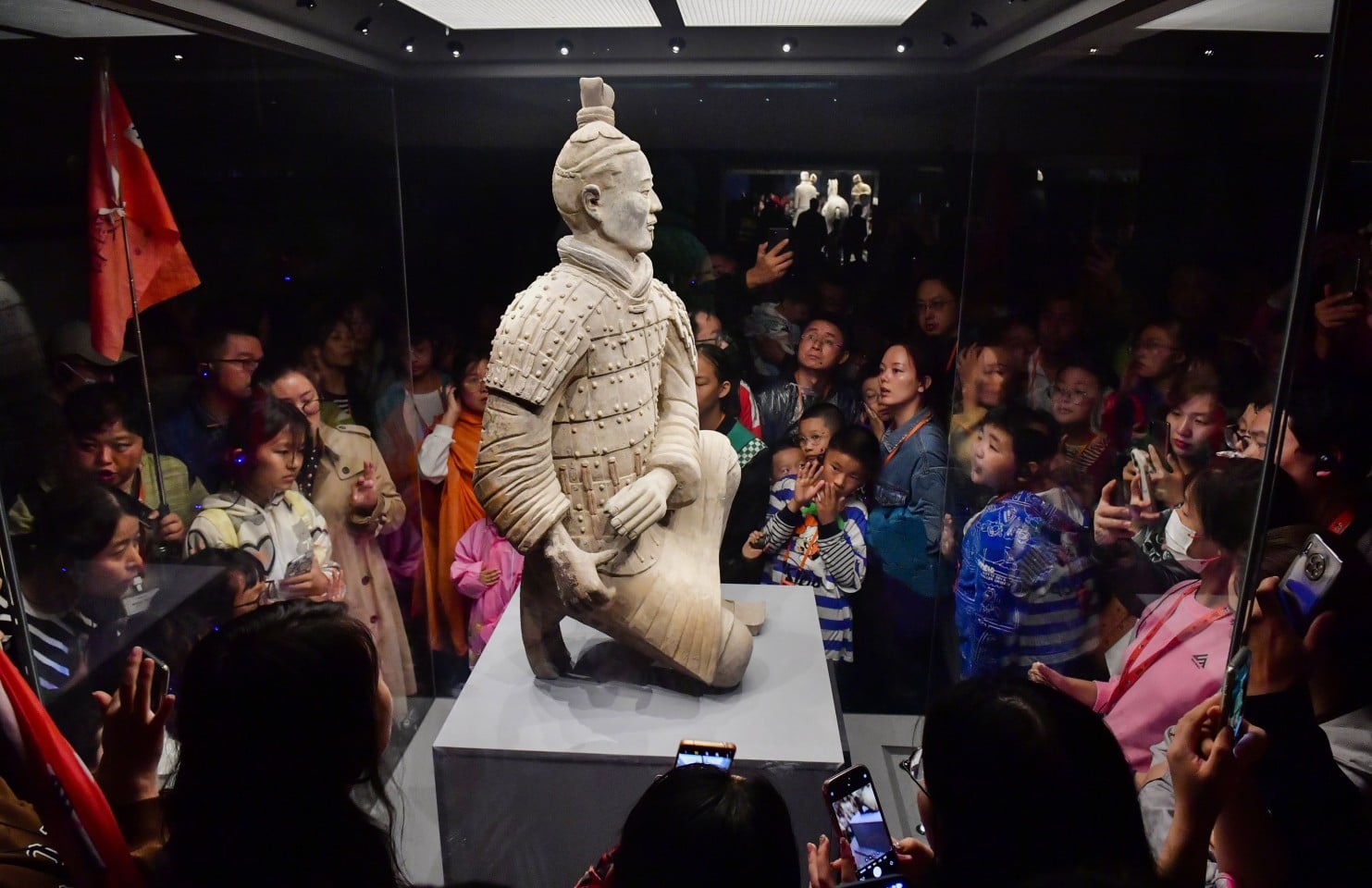
Each ceramic warrior bore between one and five distinct fingerprints. They were distributed across the figures – the head, arms, armour, hands, collar and even the feet – apparently left unintentionally during production.
Of these, 73 fingerprints were left during the shaping, moulding and assembly processes, and six were formed when pre-made decorations, such as armour rivets and belts, were pressed onto the surface of the terracotta figures.
Scientists photographed the fingerprints and measured the mean ridge breadth (MRB), which increases with age.
Artefacts unearthed in other regions and legal documents such as Qin dynasty bamboo slips also support Shen’s viewpoint.
Anthony J. Barbieri-Low, a professor of Chinese history at the University of California, Santa Barbara, wrote the book Artisans in Early Imperial China in 2007, which provides a detailed account of the artisan groups of that era.
During the Qin dynasty, lacquerware inscriptions were unearthed, including da nvzi (adult woman), xiao nvzi (young woman) and xiao nanzi (young man), indicating that women and children took part in craft production under state supervision.
According to the book, xiao nanzi is a male under 1.5 metres (4.9 feet) tall. Xiao nvzi is a female who is no taller than 1.43 metres.
Xiao nvzi could not sign her name on handicrafts like da nvzi, and could do only simple or subservient work.
The findings of Shen’s team suggest this batch of pottery figures may have been made by female and underage artisans, although it may not reflect the distribution of artisans among all Terracotta Warriors.
“Unit T23 represents only a localised area of Pit 1, so the results may reflect the labour structure of a specific phase or production group rather than the entire project,” Shen wrote at the end of the paper.
However, this archaeological evidence and research suggest that the Terracotta Army may have been made by a greater number of female and underage artisans than traditionally assumed.
The terracotta figures have lain underground with Emperor Qin Shi Huang for more than 2,200 years.
In 1974, they were discovered by several villagers while digging a well, and later became known to the world.
KioskNews shows a cleaned-up reading view extracted from the publisher’s page — the original always lives on their site, not ours.