After recent Delhi-NCR rape cases, SC orders more patrolling near schools, cab driver checks
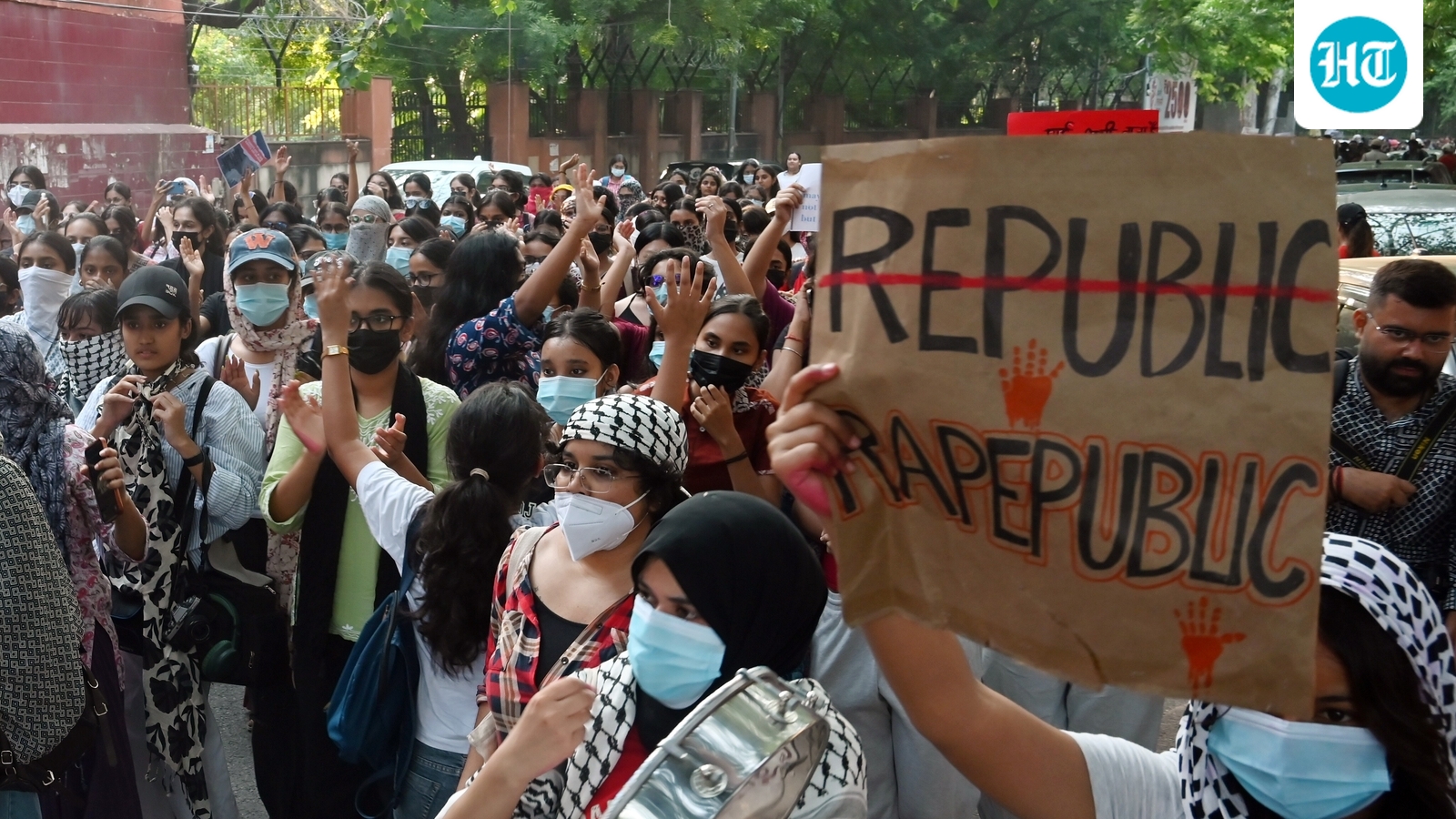
The Supreme Court on Thursday ordered enhanced police patrolling around schools, colleges, universities and coaching centres across Delhi, mandated stringent verification of drivers and assistants operating public transport and app-based cabs such as Ola and Uber, and directed authorities to ensure real-time monitoring of vehicle tracking and SOS systems as part of a sweeping preventive policing regime to curb sexual offences in the national capital.
The court also called for dedicated command centres or “war rooms” to monitor police patrolling and CCTV infrastructure, and ensure immediate field-level response to vulnerabilities, incidents and public complaints, while making the Delhi government and police chief directly accountable for implementing the measures.
Also Read | Few guards, no lights: Inside the Delhi park where a 17-year-old was gang-raped
A bench of justices JB Pardiwala and K Vinod Chandran pointed out that that the exercise was aimed at ensuring the existing and newly mandated safeguards translated into “visible, timely and verifiable action” on the ground. It directed the chief secretary of the Delhi government and the commissioner of police to file periodic compliance reports and warned that the two officers would be made “personally answerable” if the court found that its directions were not being implemented with the seriousness required.
“The question before us, therefore, is not merely whether appropriate directions exist, but whether those directions are translating into sustained, visible and verifiable action on the ground,” it said.
The directions came in continuation of the court’s September 28 order after it took suo motu cognisance of a series of recent rape incidents in Delhi-NCR. The court said its endeavour was two-fold – to immediately identify and address deficiencies in existing mechanisms for crime prevention and emergency response, and to make the authorities identify any gaps in policy or its implementation.
Also Read | 'Delhi park gangrape accused threatened to call kin, I said go ahead’: Survivor in FIR
The bench particularly emphasised prevention rather than merely investigating crimes after they occur. Referring to the “Broken Windows” theory of policing, it said unattended streetlights, dysfunctional CCTV cameras, unmonitored dark stretches and unresolved public complaints may individually appear to be minor administrative lapses but collectively create a perception of neglect and diminished vigilance.
The court accordingly directed immediate enhancement of beat patrolling across Delhi, with particular focus on educational institutions and other areas identified as vulnerable through the mapping exercise ordered earlier. Senior police officers will have to regularly meet beat personnel and review local vulnerabilities, emerging patterns of delinquency and the effectiveness of patrolling, while existing protocols governing the deployment and halting of police control room vans will also have to be reviewed.
Also Read | 16-year-old gang-raped inside sleeper bus in Greater Noida, had fled home after scolding over studies
In a significant move aimed at tightening passenger safety, the court directed strict verification of drivers and assistants operating government and private buses, cabs, taxis and autorickshaws, including vehicles linked to app-based aggregators such as Ola, Uber and Rapido. Only registered and verified persons will be permitted to operate such vehicles, while their names and photographs will have to be displayed prominently so that passengers can immediately identify and report unauthorised drivers.
The court also prohibited unauthorised sub-letting of vehicles to unverified drivers and ordered periodic and surprise checks at vehicle checkpoints. Violations, it said, should invite prompt regulatory action, including suspension or dismissal of drivers or assistants and seizure of vehicles, wherever warranted.
It directed the authorities to examine the implementation of its earlier directions on vehicle tracking system devices and integrate their monitoring with the police emergency response system. These systems, along with SOS mechanisms, will have to undergo periodic and surprise checks to ensure that they remain functional.
Also Read | From Greater Noida to Delhi: 47-km bus ride ends in gangrape of 16-year-old
The authorities have also been asked to educate passengers about how SOS mechanisms work, what happens after an alert is activated and how quickly assistance can be expected. The court directed them to disclose the existing response protocol, identify the personnel or unit responsible for responding to SOS alerts and specify the mechanism for monitoring compliance with prescribed response times.
The court’s emphasis on accountability extended to the police’s existing “Shishtachar Squads”, constituted under a March 2025 Delhi Police circular to deal with eve-teasing and sexual harassment in public spaces. The commissioner of police has been directed to submit the squads’ weekly reports for the preceding three months, along with a consolidated assessment showing where and when they conducted drives, their frequency, the action taken and its follow-up.
Also Read | Supreme Court on recent Delhi rape cases involving minors: 'Painful parallel to Nirbhaya case'
The police chief has also been asked to furnish a detailed status report on the implementation of Operation “Nirbheek” and the “Nazuk” scheme aimed at encouraging school and college-going girls to report sexual offences and harassment. The report will have to spell out how the safety and confidentiality of complainants are ensured and what safeguards exist against retaliation, intimidation or harassment after a complaint is made.
Notably, the bench said it was not seeking to multiply standing orders or administrative compliance. Instead, it wanted to determine whether the safeguards already prescribed by the Delhi Police were functioning as “living instruments of preventive policing” or had remained substantially confined to paperwork.
The court directed the chief secretary and commissioner of police to remain the deponents of all affidavits reporting compliance throughout the proceedings. It specifically said that if its directions were not complied with, implemented or accorded the required seriousness, the two officers would be made personally answerable.
Also Read | Days after minor's gangrape in Delhi, 2 DU students sexually harassed by 4 men in SUV
At the same time, the bench cautioned against preventive policing becoming a licence for arbitrary or excessive exercise of police powers. While police must act firmly where intervention is required, such action must remain within the bounds of “legality, proportionality and accountability”, it said.
The court’s directions also cover civic conditions that can create vulnerabilities. Authorities have been ordered to identify trucks, heavy vehicles and other vehicles habitually parked in a manner that obstructs visibility or creates blind spots and to remove them. Unauthorised liquor shops and establishments have also been ordered to be identified and dealt with, with beat officers directed to remain vigilant about illegal liquor supply and crowding or loitering around such establishments.
The authorities have been given time till November 6 to file comprehensive, district-wise status reports on compliance with the earlier and latest directions, including measures implemented, those still pending and reasons for the delay. The matter has been posted for further hearing on November 16, with the Ministry of Home Affairs and Delhi government’s transport department also directed to participate.
KioskNews shows a cleaned-up reading view extracted from the publisher’s page — the original always lives on their site, not ours.