Anutin proposes tougher drug laws, presumption of dealing for possession
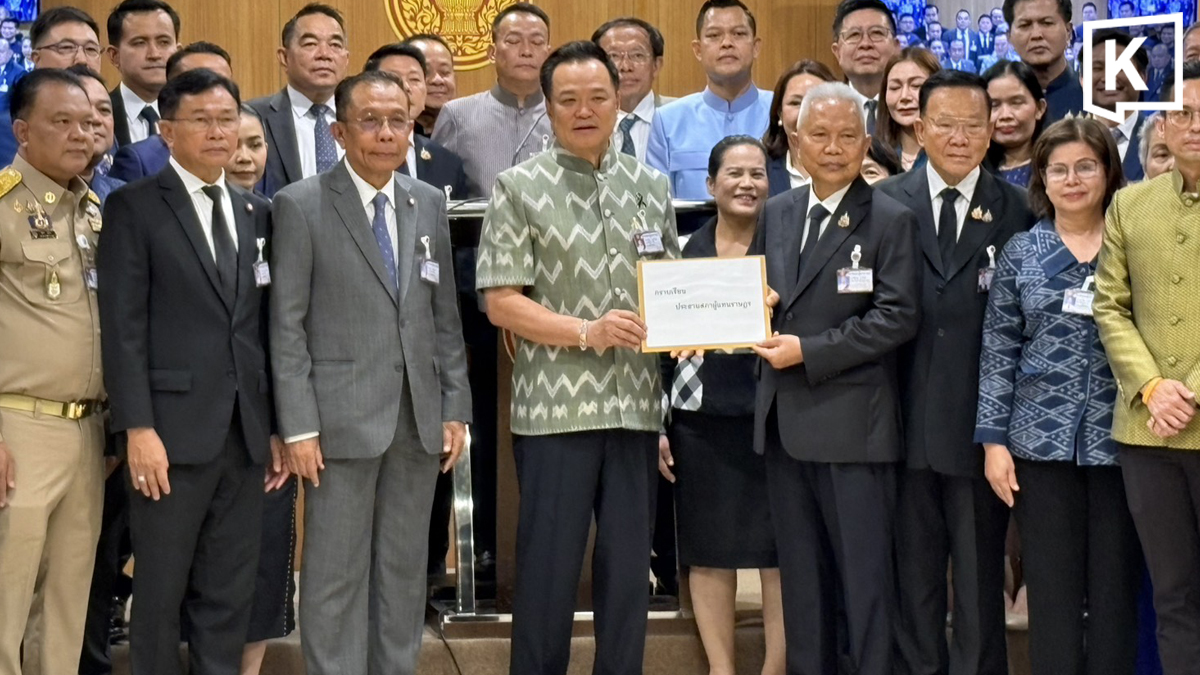
BANGKOK — 21 October 2026, Prime Minister Anutin Charnvirakul and lawmakers from the Bhumjaithai Party submitted two draft bills to tighten Thailand’s drug laws, including a proposal to presume that people possessing illegal drugs intend to sell them, increase penalties for drug users and expand investigative powers.
Anutin, who also serves as interior minister and leads Bhumjaithai, submitted the proposed amendments to the Narcotics Code and the law governing drug-related criminal proceedings to House Speaker Sophon Sarum.
Anutin said the proposed changes aim to strengthen drug suppression, close legal loopholes and improve access to rehabilitation. The bills would also expand the powers of officials from the Office of the Narcotics Control Board (ONCB), allowing them to obtain information from central databases to support drug-related prosecutions, treatment and rehabilitation.
The proposals would also authorize officials to suspend the distribution of, or remove, online content that encourages drug use.
Under the proposed amendments to drug-case procedures, the Narcotics Suppression Bureau would be able to seek Criminal Court approval to obtain communications and other information in any format or through any channel for drug-related investigations.
The draft would also extend the maximum period authorities can detain a person arrested on a drug-related charge from three days to seven days to allow more time for investigation and the pursuit of wider criminal networks.
Another provision would allow people responsible for caring for someone suspected of drug use to voluntarily request treatment and rehabilitation on that person’s behalf.
Anutin said the government was intensifying anti-drug operations involving police, ONCB officials, local administrators and the military. He cited a clash during an operation in Phetchaburi on the night of 20 October, saying deaths during confrontations between authorities and suspected drug traffickers were losses the government wanted to prevent.
He also said he had approved four additional X-ray vehicles for the Royal Thai Police to support enforcement efforts.
“We do not want to rely on luck to avoid losses,” Anutin said, arguing that comprehensive prevention and suppression measures were needed to reduce casualties and combat drug trafficking.
Sophon said the drug situation had reached a crisis point, causing widespread hardship. He said the proposed legislation reflected cooperation between the executive and legislative branches and that Parliament recognized the need for stronger measures.
The two bills will need to proceed through the parliamentary process before any proposed changes can become law.
KioskNews shows a cleaned-up reading view extracted from the publisher’s page — the original always lives on their site, not ours.