ERP 2 data used to detect suspected offences involving 31 Malaysian cross-border taxis
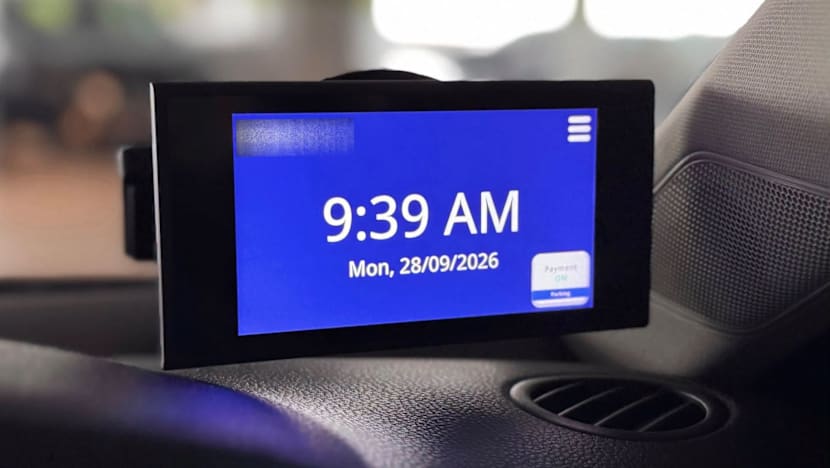
SINGAPORE: Data from on-board units (OBUs) helped the Land Transport Authority (LTA) detect 60 instances of suspicious activity involving 31 Malaysian cross-border taxis between May and July.
Ms Sun Xueling, Senior Minister of State for Transport, said in a Facebook post on Monday (Sep 28) that the drivers involved have been notified of their offences and reminded of the relevant penalties.
LTA will begin formal enforcement action against offenders from September, she added.
OBUs are devices installed in vehicles as part of the islandwide satellite-based Electronic Road Pricing (ERP) 2 system, which uses satellite technology instead of physical gantries to determine a vehicle's location.
Ms Sun said that although ERP 2 is designed primarily for payments and charges, it would also enhance LTA's ability to manage traffic across Singapore and give the authority better tools to detect and enforce against vehicle-related offences, including the provision of illegal cross-border taxi services.
"We will continue working with the relevant authorities to safeguard the livelihoods of our local taxi and private-hire drivers, and ensure safe cross-border journeys for our commuters," she added.
CNA has reached out to LTA for more information, including details on the formal enforcement action and whether it has a timeline for expanding the use of ERP 2 data to enforce against other offences.
LTA announced earlier on Monday that it was rolling out new ERP 2 road markings and signs from October, ahead of the system's launch on Jan 1, 2027.
The authority also said that all ERP 2 data would be accessed and used for authorised purposes, with strict safeguards governing its collection, use and security.
ERP 2 DATA FOR ENFORCEMENT
In February, then-Acting Transport Minister Jeffrey Siow said that LTA would use vehicle-specific ERP 2 data only for payment, charges and enforcement, including the non-payment of ERP charges and cross-border taxi enforcement.
Mr Siow also said at the time that Malaysian taxis would be required to install OBUs because the devices were necessary for the authorities to track the vehicles and enforce against them, if needed, while they were in Singapore.
Under enhancements to the Singapore-Malaysia Cross-Border Taxi Scheme that took effect on May 4, taxis must install a device required by the other country to enable enforcement when entering that country.
This means Malaysian taxis must have Singapore's ERP 2 OBU to enter Singapore.
ERP 2 could potentially also be used to enforce against other traffic offences.
In May, Mr Siow said the system could be used to enforce against traffic offences such as speeding, although further enhancements would be needed.
The Ministry of Transport and Ministry of Home Affairs were studying the implementation details, he said in a written parliamentary reply to a question on using ERP 2 to monitor and enforce speed limits in Silver Zones and School Zones.
KioskNews shows a cleaned-up reading view extracted from the publisher’s page — the original always lives on their site, not ours.