Cradle to career: Japanese parents take over dating, job hunting for children
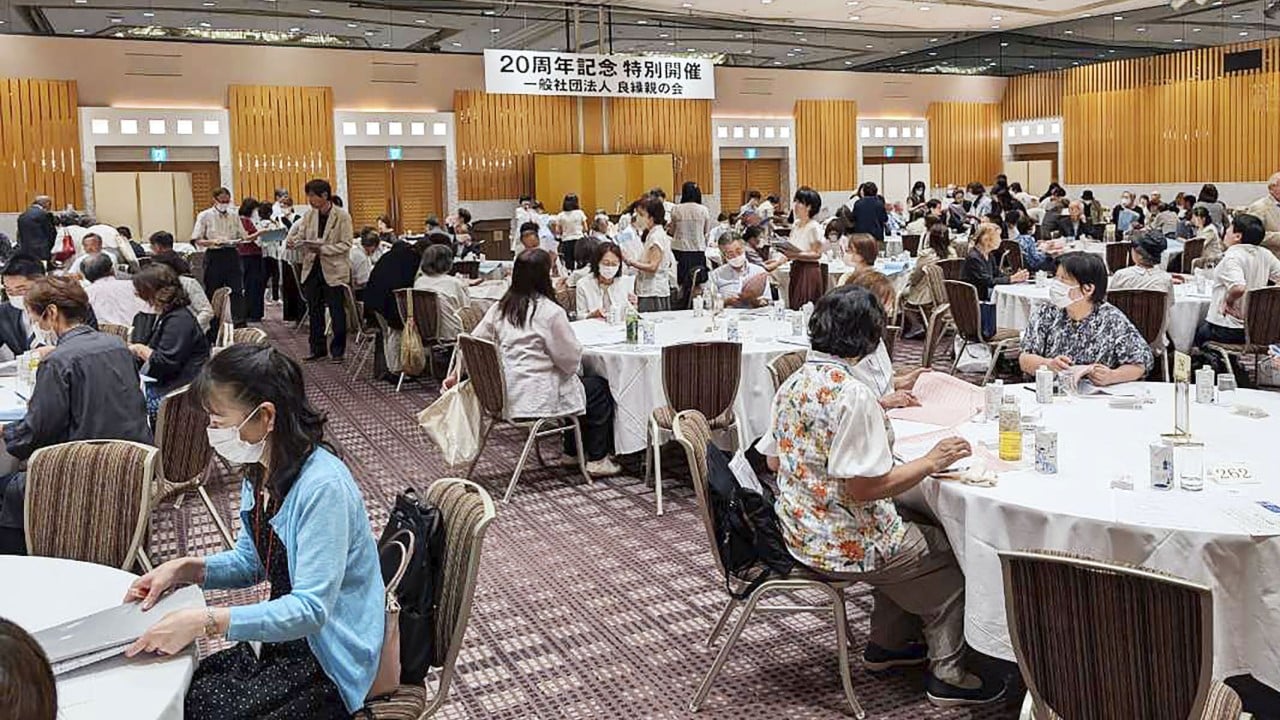
Parents in Japan are taking an increasingly active role in their children’s lives – helping them find marriage partners, navigate job hunting and secure housing – as the line between parental support and personal decision-making continues to blur.
In a practice known as “proxy matchmaking”, parents attend social events armed with photos and profiles of their children, hoping to find suitable marriage partners through conversations with other parents.
The Association of Parents of Marriage Proposal Information, which began organising such gatherings in 2005, says attendance has grown from a few dozen people to around 200 at events in major cities, while regional gatherings regularly attract about 30 participants.
Parents submit profiles listing their children’s age, education, occupation, hobbies and other details, then exchange contact information with families they find promising, leaving the prospective couples to decide whether to pursue a relationship.

Most participants are in their late sixties or early seventies, although some are in their fifties.
Parental involvement is also becoming more common in job hunting, with a Mynavi Corp survey showing that 52 per cent of parents of students graduating in 2024 were contacted by employers to confirm their approval of a job offer, surpassing half for the first time.
The survey also found that 17 per cent of companies invited parents to job offer ceremonies or entrance ceremonies, reflecting employers’ growing efforts to gain families’ understanding and support.
A separate survey by graduate recruitment service ABABA found that 52 per cent of students wanted their parents involved in job hunting and 51 per cent of parents wanted to participate, with students most often citing anxiety about making decisions on their own.
Parents are similarly taking an active role in finding housing for students, with a survey by real estate information service provider At Home Co showing that 70 per cent were actively involved and, among those parents, about 30 per cent personally visited or contacted real estate agencies.
Yuriko Nishijima of At Home said parents tended to have the final say on budgets while students had more influence over location and housing preferences, adding that parental involvement could help smooth the process from property searches and viewings to signing a lease.
KioskNews shows a cleaned-up reading view extracted from the publisher’s page — the original always lives on their site, not ours.