Top court sets aside ₹425-crore fine on Gujarat diamantaire, cautions on AI use
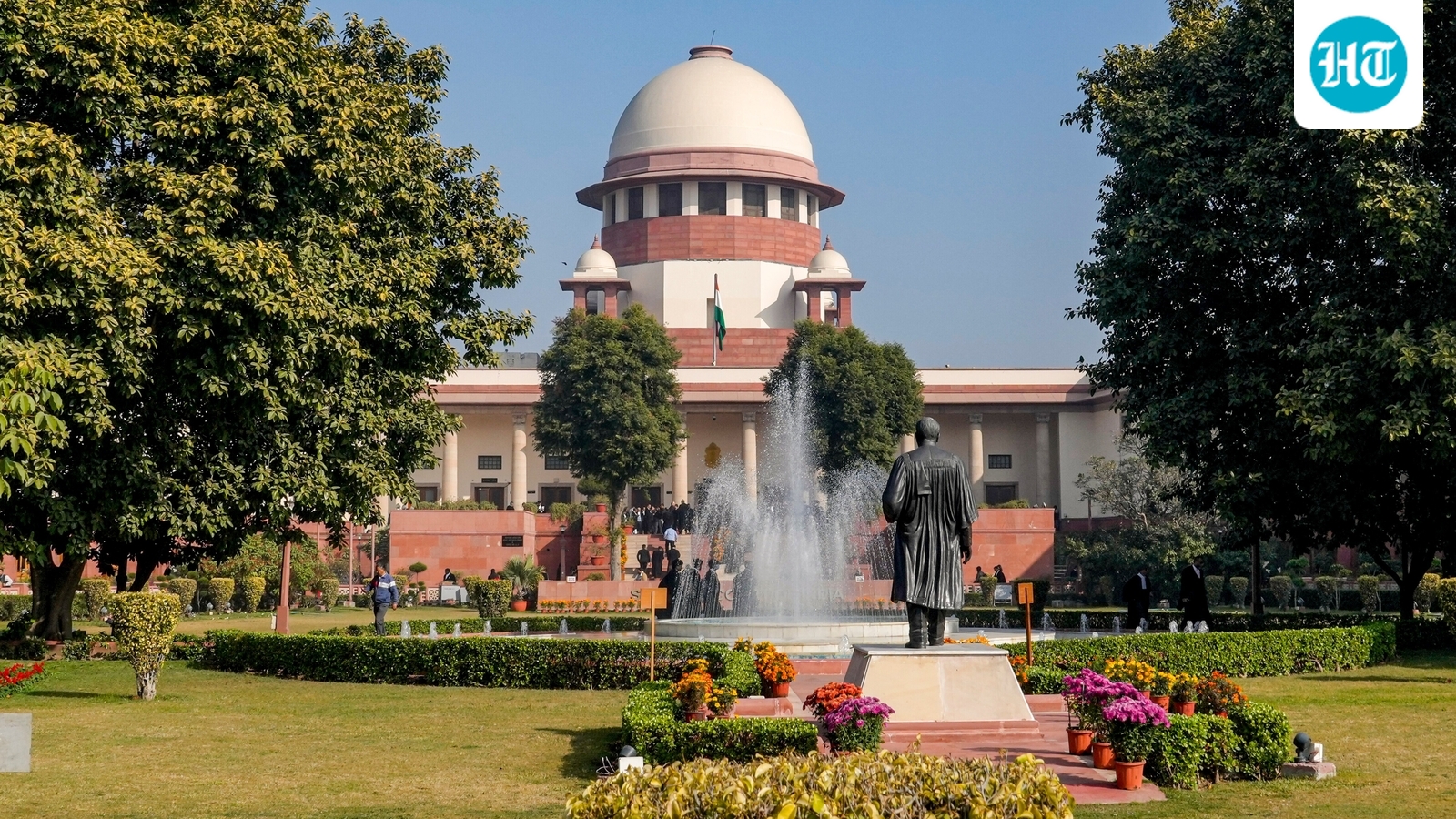
The Supreme Court on Wednesday set aside an order issued by a customs officer in Gujarat slapping a penalty of ₹425 crore against a diamond trader which had relied upon AI-generated case laws that did not exist.
Remanding the matter back to be decided by an officer of the same rank, a bench of justices Dipankar Datta and Sheel Nagu said that while Artificial Intelligence can be an “assistive tool”, it will be imprudent and dangerous if it assumes the driver seat in adjudicating decisions.
“Artificial Intelligence (AI) may well serve as training wheels but entrusting it with the pilot’s seat would be both imprudent and dangerous,” the bench said. Setting aside the order of October 8, 2025 passed by the Additional Commissioner of Customs, Surat, the court remanded the matter back to the same authority requiring that the case be decided not by the same individual but by an officer of the same rank.
SC leaves action against officer to appointing authority
Sparing any action against the said officer, the order said: “We leave it to the wisdom of the appointing authority to initiate such action against the author of the order as may be warranted in the circumstances, in accordance with law.”
The appeal was filed before the court by the aggrieved trader, Vijay Ghanshyam Gadiya, who was slapped with a penalty of ₹425.27 crore under Section 114 of the Customs Act, 1962, for misdeclaring a consignment of natural diamonds as lab-grown diamonds to pay a lower tariff.
Also read: ‘Catastrophic, invisible’: Supreme Court flags use of AI in legal process as ‘misconduct’
AI may assist but cannot replace
The court said that the use of AI is not prohibited as it can always be an “assistive tool” that can expedite the decision-making process. However, sounding a note of caution, the bench said, “Assistance can never be substituted for adjudication,” as it noted the fallout of this mistake in this case.
“The use of AI in this case, resulting in reliance placed by the Additional Commissioner of Customs on material which is dubious, proves fatal to the sustainability of the order imposing penalty on the appellant. Such circumstances compel us to interfere and remand the case,” the bench said.
KioskNews shows a cleaned-up reading view extracted from the publisher’s page — the original always lives on their site, not ours.