Likud primary results boost Netanyahu’s bid to reshape sinking party, win back voters

Prime Minister Benjamin Netanyahu warmly welcomed the results of Monday’s Likud primary election, describing himself as “very satisfied” on Tuesday morning and insisting that the party list chosen by members would achieve a “big victory” in the October 27 election.
Netanyahu appeared to have legitimate reason to celebrate, with several hardliners whom he reportedly feared would harm the party’s popularity in the general election shunted toward the back of the Likud electoral slate.
With polls consistently showing the Likud party likely to win fewer than 25 Knesset seats, only those who finished in the top 17 of Monday’s primary are seen as having a realistic shot of making it back to the Knesset. The other eight spots are controlled by Netanyahu himself, whose position as party leader was not part of the primary vote.
Promoted: Sheba's Humanitarian MissionsKeep WatchingSkip Ad
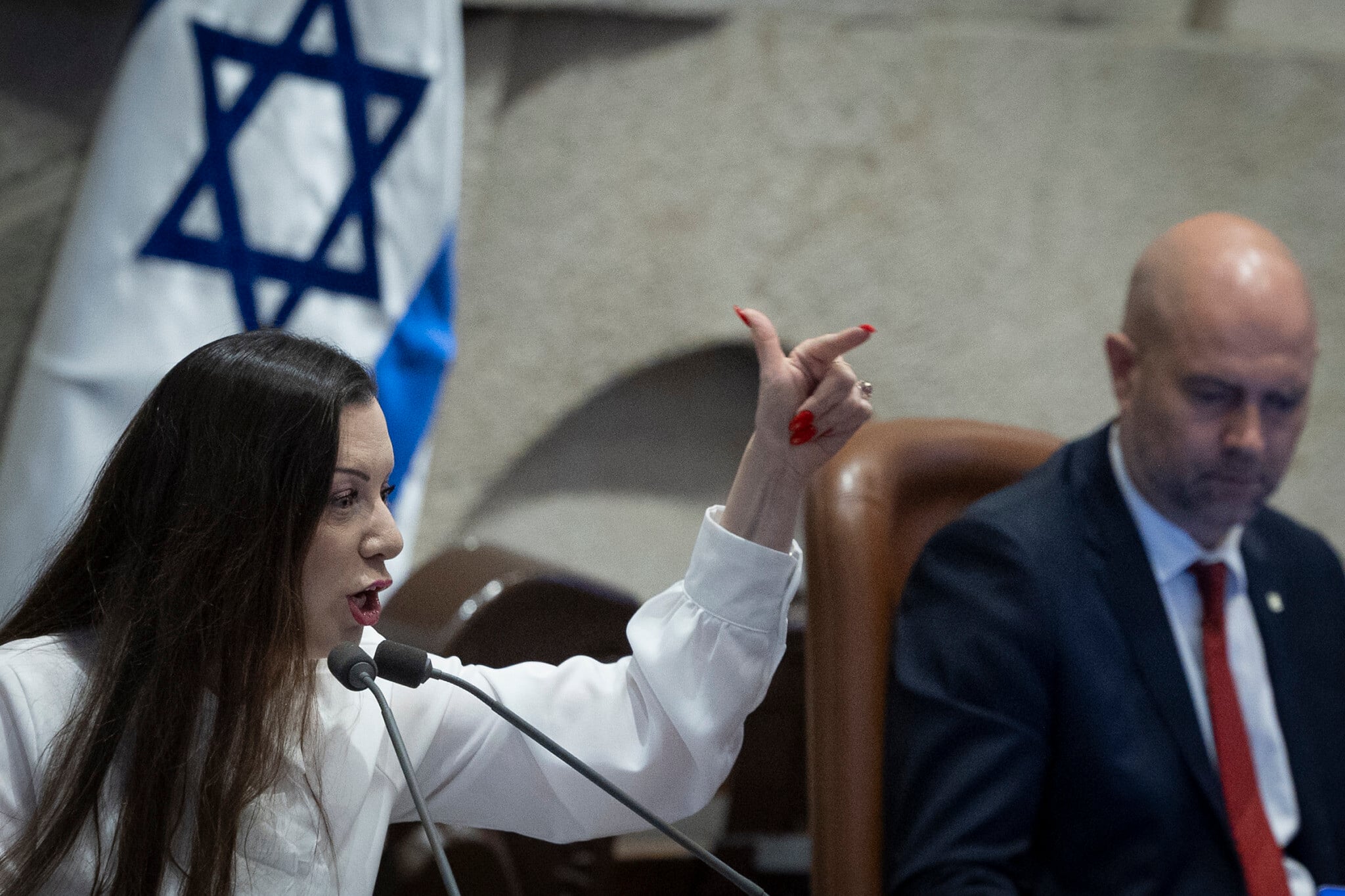
Almost certainly out of a job come October are hardliners like MK Hanoch Milwidsky, MK Nissim Vaturi and Social Equality Minister May Golan, who declared Tuesday that she was “too right-wing” for Netanyahu.
For Netanyahu, facing the very real prospect of losing office, holding onto power may hinge on moderating the Likud slate to the point that the party becomes palatable again to voters who have fled over its turn to the hard right in the last election. After he successfully expanded his direct control over about a third of the top seats, Monday’s primary marked a key test of his ability to shape the Likud roster into something he can sell to potential supporters, one he seems to have passed with flying colors, though the real trial won’t take place until October 27.
Get The Times of Israel's Daily Edition by email and never miss our top stories
By signing up, you agree to the terms
“The general election will be determined by between 25 percent to a third of… voters that voted Likud last time and now are either defecting to the liberal side or staying at home,” said pollster Nimrod Nir of the Agam Institute and the Hebrew University of Jerusalem.
In the last election, Likud won 32 seats, a number consistent with its showing in elections over the previous decade. Today, polls put it at around 22-23 seats, slightly behind or neck-and-neck with former IDF chief of staff Gadi Eisenkot’s centrist Yashar party and almost certainly unable to scrape together another governing coalition.
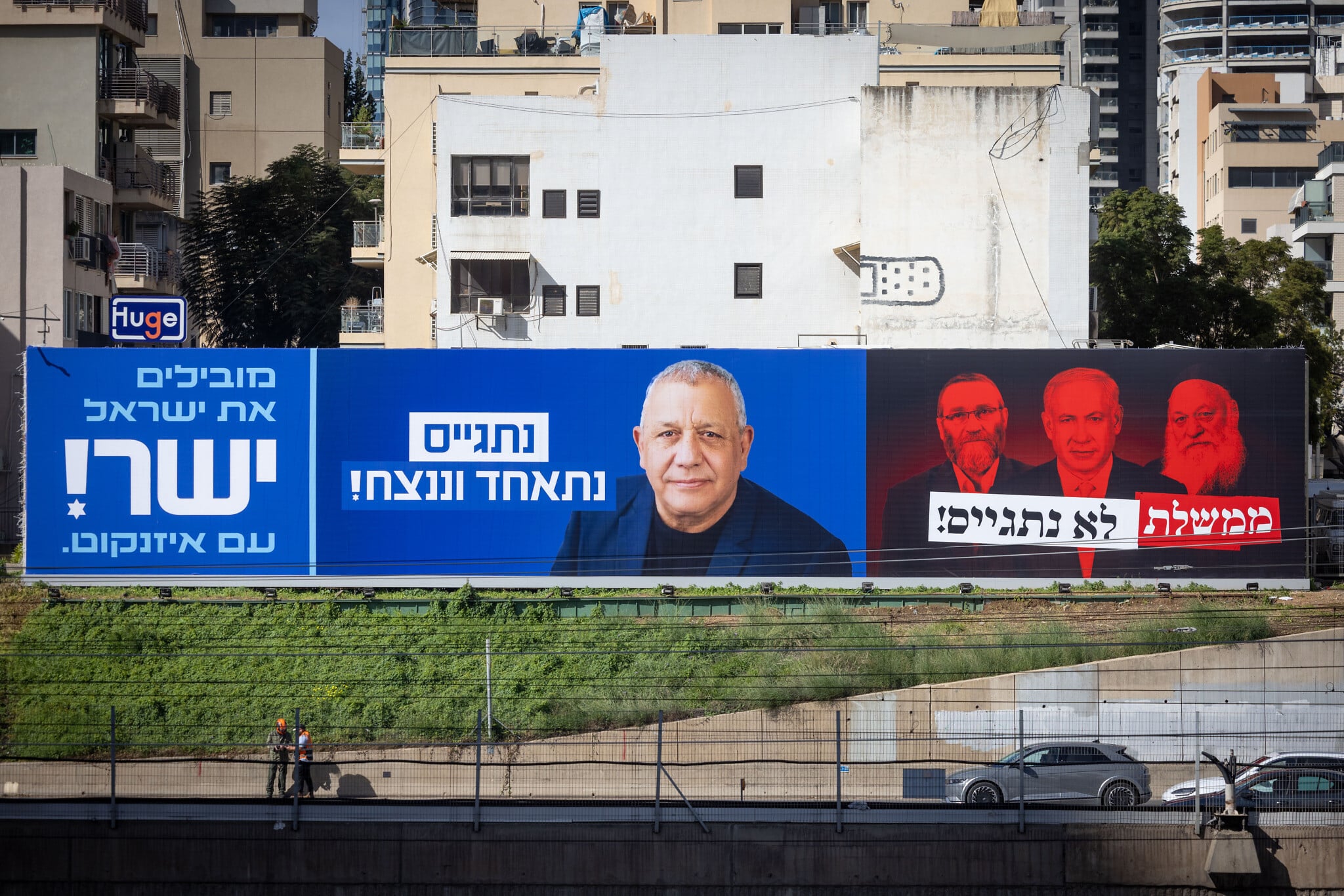
Many of Likud’s former voters have moved toward more moderate right-wing or even centrist parties that will likely bolster Eisenkot or Beyachad head Naftali Bennett’s bid to cobble together a government and oust Netanyahu from power.
Speaking with The Times of Israel on Tuesday, Nir noted that those who voted for Likud in the past appeared to be more likely to lean toward political pragmatism than the party’s approximately 140,000 dues-paying members who were eligible to cast ballots in the primary.
He cited a poll that showed 54.9% of Likud voters were in favor of a national unity government between the right and center, a prospect supported by only 33.9% of Likud members.
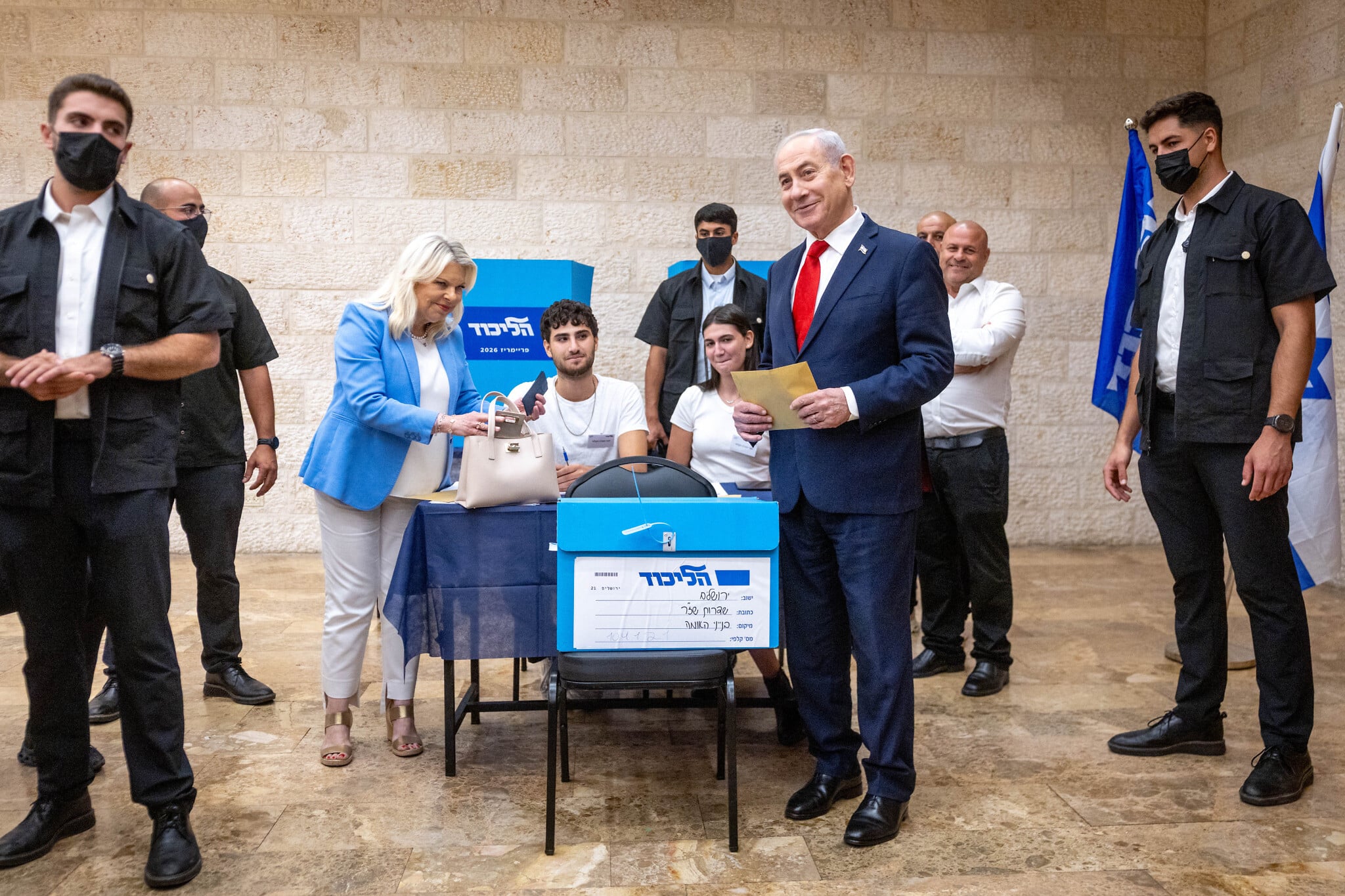
“A majority of Likud voters would want a government coalition with the more centrist parties, whereas two-thirds of party members would rather have the same ultra-right, ultra-Orthodox kind of government,” he said.
While bringing in more moderate candidates and pushing down those less palatable to the average voter won’t change the widespread view of the party and its leadership as responsible for the failures of October 7 or erase voters’ memory of its recent push to exempt Haredim from military service, it could help Likud with voters who remain on the fence, an important achievement in and of itself.
The composition of the party “will have great significance on whether [its voters] come back home,” Nir said.
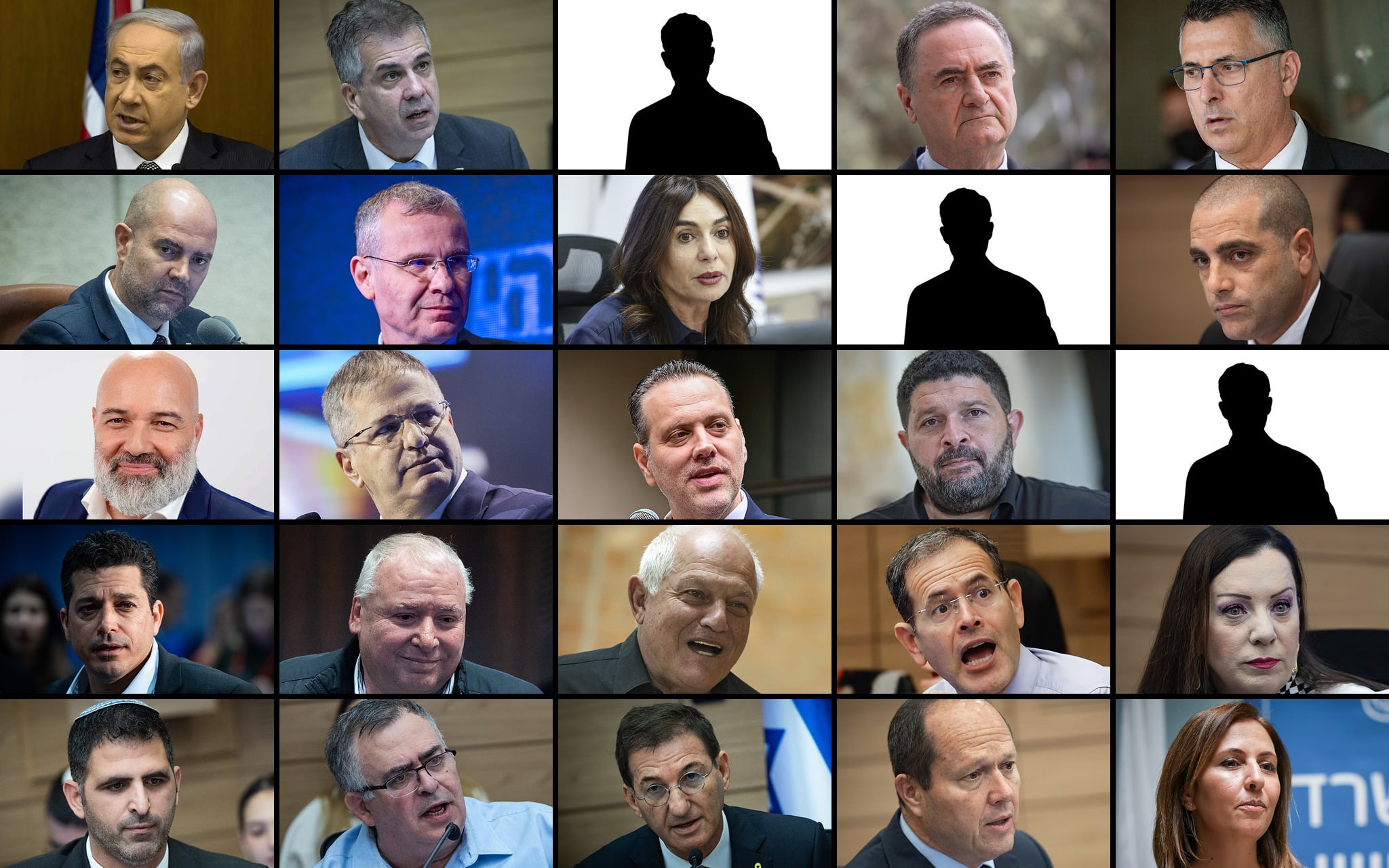
If left up to primary voters alone, Likud’s list would likely continue to pull toward the right.
A recent poll by Nir of 1,000 primary voters unconnected to the internal wheeling and dealing that often plays a major part in how members cast ballots found that firebrand MK Tally Gotliv and Knesset Foreign Affairs and Defense Committee chairman Boaz Bismuth, another member of the party’s far-right flank, would be among the top three vote-getters.
Instead, the pair finished in 12th and 15th place respectively, with Netanyahu’s control of reserved slots likely pushing them down to slots 19 and 23. (Gotliv has alleged fraud, claiming that her name had been left off ballots at some polling stations.)
At the same time as he pushed some unpalatable candidates out, Netanyahu also threw a bone to the more hardline elements of the electorate by endorsing former Otzma Yehudit MK Almog Cohen, who came in at number 8 in the primary vote.
“This was an attempt to hold back Likud voters who defected to [Otzma Yehudit chairman and National Security Minister Itamar] Ben Gvir, which many did during these past few years, because Ben Gvir keeps on giving the impression, and maybe rightfully so, that [Netanyahu] is holding him back from being even more nationalistic and security-driven,” Nir stated.
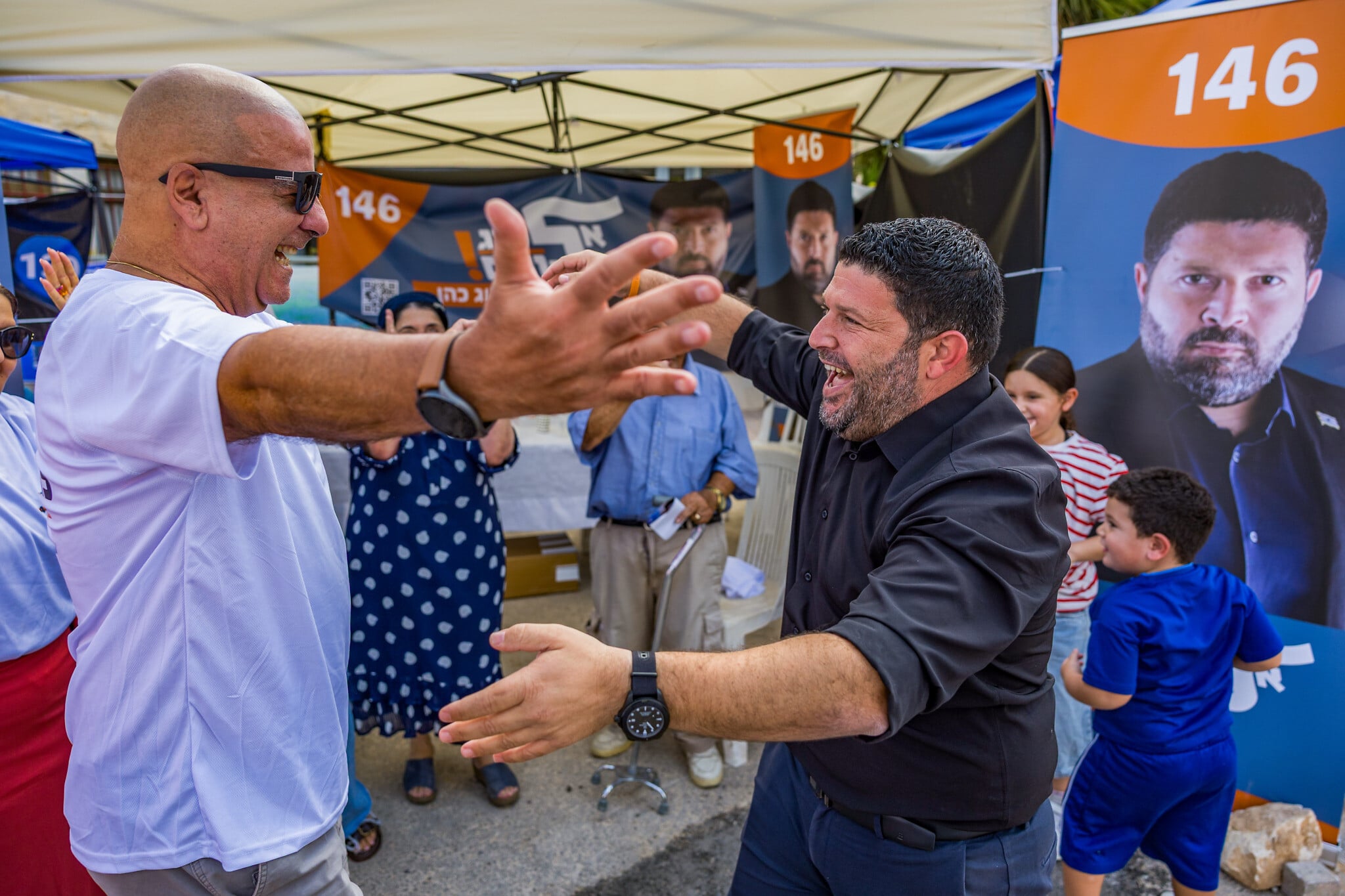
Netanyahu won control of the reserved seats last month, when the Likud Central Committee agreed to greatly expand his control over the party’s Knesset slate.
His push to secure the reserved spots was reportedly based on concerns that the primary would elevate candidates who are highly popular among the Likud base, but whom internal party polling suggests are less appealing to moderate right-wing and swing voters.
Five of those slots have already been handed out to Foreign Minister Gideon Sa’ar, Defense Minister Israel Katz, Likud Central Committee chair Haim Katz and political newcomer Oren Dobronsky, with three more in the top 15 yet to be named, along with two others in spots 26 and 29.
According to Nir, Netanyahu can now use those spots to complete his crafting of what he perceives as the slate most likely to raise Likud’s haul in the general election.
It gives Netanyahu “the opportunity to bring some more moderate people and some fresh faces from the outside that will actually try to appeal to the larger voter audience rather than the party members,” he said.
Help us report truthfully on social media

As a multimedia journalist, my job is to take the quality, fact-based journalism produced by The Times of Israel newsroom and make it accessible across every platform — from Instagram posts to podcasts to short-form videos.
This is how many, especially young people, consume news these days. But misinformation is rampant on social media. Our team at ToI produces accurate, responsible short-form reporting on Israel and the Jewish world.
If you believe in the importance of factual social media journalism, please consider joining our reader support group, The Times of Israel Community. Your financial support is essential to sustain responsible multimedia reporting.
— Gabriella Jacobs, multimedia journalist
Support our work Support our work Already a member? Sign in to stop seeing this
If you’d like to comment, join
The Times of Israel Community.
KioskNews shows a cleaned-up reading view extracted from the publisher’s page — the original always lives on their site, not ours.