Purple harvest: Safeguarding the future of the ube industry

- Ube (purple yam) is gaining global popularity, with the market projected to grow from 455 million USD in 2024 to 943 million USD by 2035.
- Many farmers in Leyte have transitioned to ube farming, responding to increased international demand, which has led to foreign inquiries and significant orders.
- To sustain ube production, farmers require training, resources, and government support, with calls for ube to be declared a priority crop to protect local varieties.
This is AI-generated. Read the article for full context. Report any errors.
BAYBAY CITY, Philippines — “Hulog ng Langit.” (Unexpected blessing.)
This is how Olegario Paredes Jr., a root crop farmer from Eastern Visayas, describes the rise of ube (purple yam) in global food trends.
Ube has been steadily finding its place in the global market in recent months, earning comparisons to Japan’s matcha as a distinctly Filipino product with growing international appeal.
Transparency Market Research values the global ube market at roughly US$455 million in 2024, with projections climbing to $943 million by 2035. For farmers like Paredes, it is a chance to turn a once-ordinary crop into a reliable source of income.
One of the founders of Organikong Magsasaka at Mangingisda ng Rehiyon Otso (OMMRO), Paredes previously cultivated sweet potato and cassava at the Juanito Eco Farm School for Practical Agriculture (JEFSPA) in Kananga, Leyte.
But ube changed farming for him.
“Labing pamatuod lang, ang ube ang maoy naghatag ug maayong kita sa akoa, sa JEFSPA, ug sa uban pa nga mga farmers,” Paredes says.
(More than anything, ube has provided a good source of income for me, JEFSPA, and other farmers.)
Global demand
Paredes started planting ube in 2023.
The crop that once seemed ordinary was beginning to attract an extraordinary amount of attention. Soon, the surge reached Eastern Visayas directly.
As international interest in ube spiked in 2024, the Fatima Multi-Purpose Cooperative, a cooperative that uplifts local farmers, fisherfolk, and low-income groups, began venturing into ube processing.
They reached out to Paredes for an organic supply agreement.
Soon, foreigners began visiting the region in search of ube suppliers, Paredes tells Rappler.
“Niabot sa farm, niari sa region para pagkita sa amo production area ug ang processing sa Fatima,” Paredes recalls.
(They visited the farm and came to the region to see our production area and the processing facility in Fatima.)
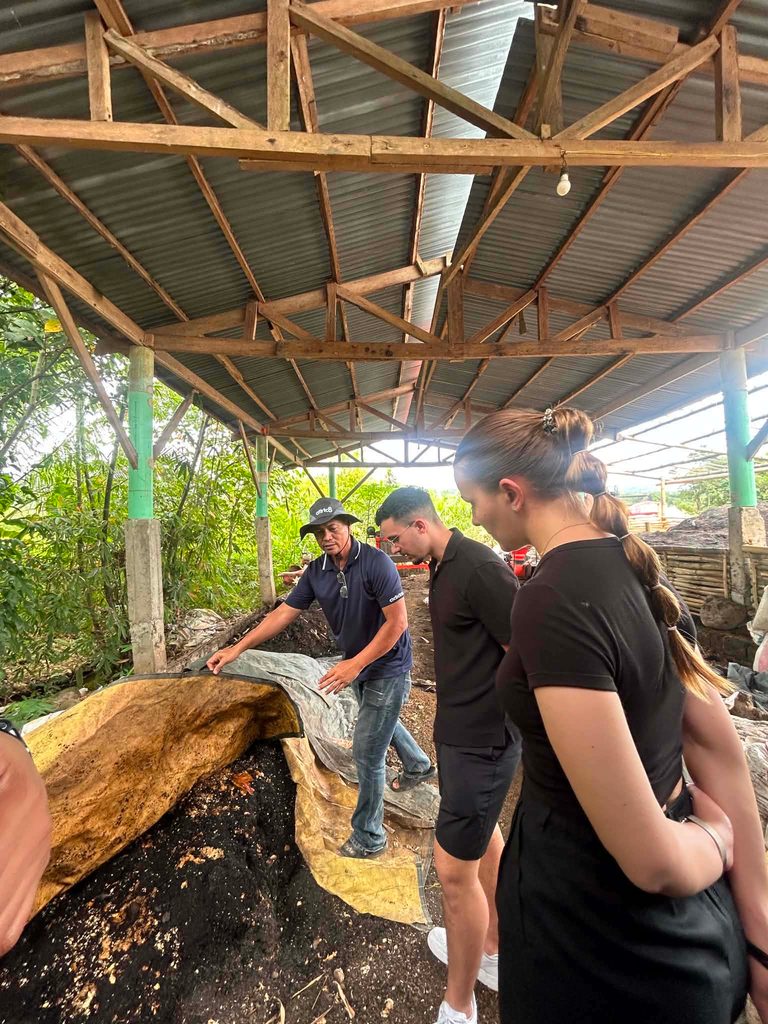
In March 2026, a Moroccan buyer who was looking for a steady source of ube powder visited Paredes. The buyer wanted 1,000 kilograms of ube every month for distribution across four countries.
That single order alone works out to roughly 80 tons of raw ube a month.
And that Moroccan buyer wasn’t an outlier.
Purple gold
Since he started planting ube, Paredes’ farm has fielded over 10 separate foreign inquiries.
That demand pushed him to convert more of his farmland to ube production.
As a general rule, 50 tons of ube, sold at P50 per kilo, brings in P2.5 million. However, that kind of sales, he says, is only possible with consistent monitoring and cooperative weather.
But ube farming can also be challenging.
Ube’s full production cycle—from land propagation to harvest—takes about a year, Paredes explains.
In the early days, Paredes’ crops were vulnerable to pathogens, waterlogging, and mistimed planting. All the risks are concentrated in the plant’s fragile first few months.
Starting an ube farm isn’t cheap, either. Testing and planting materials come at a cost, with each seedling running P30 to P40 which can potentially rise proportionally to the demand.
While ube is a resilient crop—which means it can handle intense weather conditions—Leyte’s frequent exposure to disruptive storms could still affect yield, particularly given that harvest season is from September to November.
Support system
To meet the demand in the long run, farmers need more than planting materials: they need proper ube production training, processing tools, and adequate funding support.
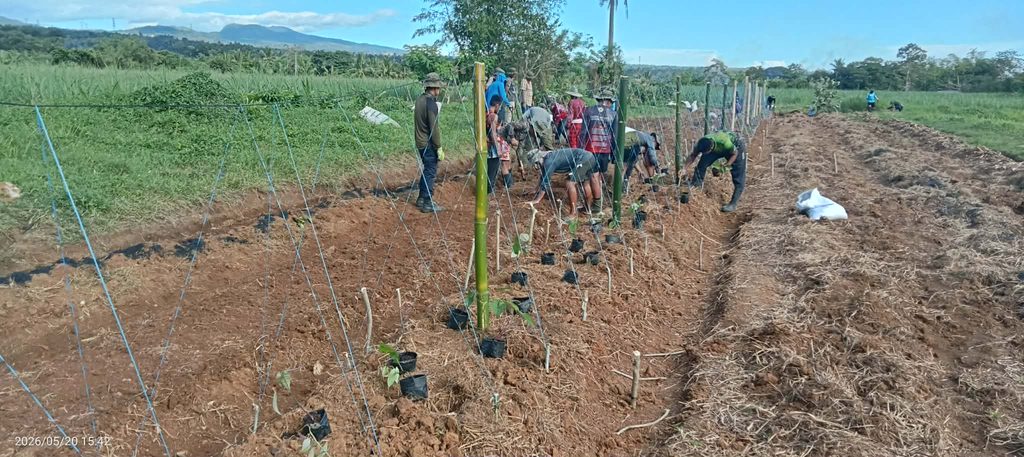
For instance, right now, farmers are having difficulties sourcing seedlings, Paredes says. To help close that gap, he started supplying planting materials beyond his own region, with buyers often offering advance payment just to reserve stock.
The Department of Agriculture’s high-value crops division also distributed over 50,000 ube seedlings to OMMRO members and other farmers in the first quarter of 2026.
Paredes and OMMRO work with various institutions, including the Department of Agriculture, Agricultural Training Institute, and other local and international agencies to address these challenges.
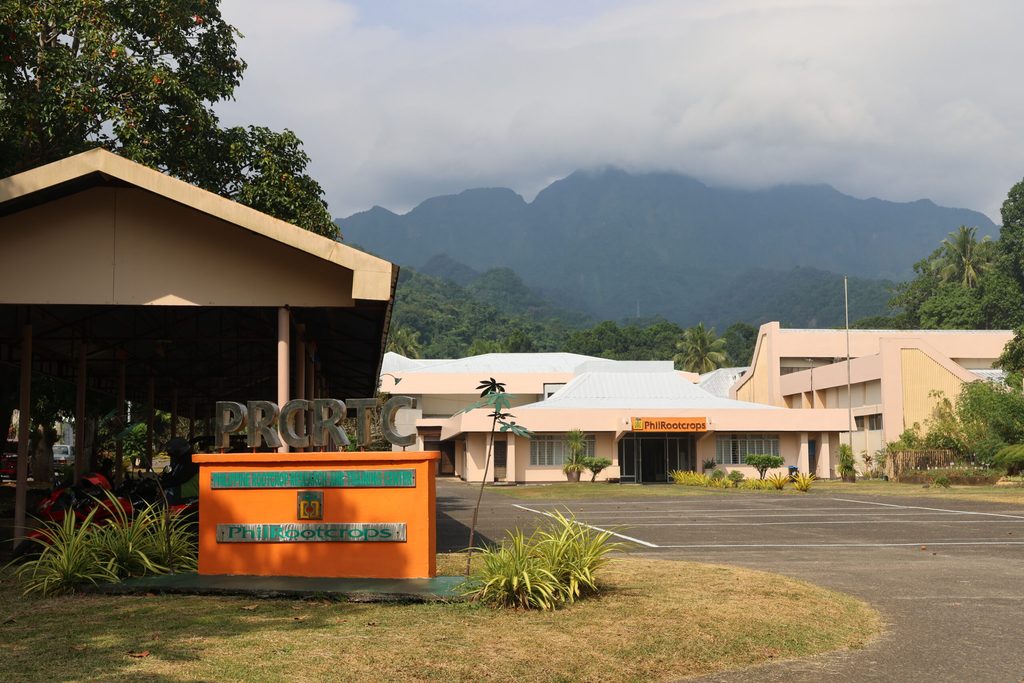
Among these agencies is the Philippine Root Crops Research and Training Center (PhilRootCrops), which is based at Visayas State University (VSU) in Baybay City.
Established in 1977, PhilRootCrops is the country’s national research and training center for root crops and tubers. It conducts regular cultivation workshops and crop monitoring.
The center’s director, Professor Marlon Tambis, calls ube one of the most resilient crops in the Philippines. Ube is a perennial crop with strong economic upside, he notes, yet many farmers still lack the training to make the most of it.
Tambis says the crop’s potential is outpacing the resources needed to develop it. PhilRootCrops is currently developing new cultivation technologies but the funding hasn’t kept pace.
“While we are provided by VSU of P500,000 every year, it’s still very small,” Tambis says.
“Of course, that is not enough because we are a national center. We have a national mandate. We have clients from everywhere in the Philippines. That’s just one month’s expenses,” he says.
It’s been this way for years, Tambis says. Through PhilRootCrops’ long and continued efforts, the center has managed to acquire multiple partnerships that continue to fund its operations and development, a lifeline that has kept its research going even as government funding stays thin.
Safeguard ube
Ube’s rise is an opportunity too important to let slip away, Paredes points out. Securing that opportunity starts with protecting the crop itself.
First, Paredes wants ube formally declared a priority crop by law, a status he believes would unlock more structured, long-term government support. He also calls for safeguarding the country’s ube varieties, beginning with a stop to raw ube from being sold abroad.
“Unta, ang gobyerno, dili nila i-allow na ibaligya sa gawas ang raw ube. Kung pwede, powder or processed product lang para maprotect nato ato mga gipananom na mga ube varieties,” says Paredes.
(Hopefully, the government will not allow raw ube to be sold abroad. If possible, only powdered or processed products should be exported so we can protect the ube varieties that we have cultivated.)
On August 22, Leyte 4th District Representative Richard Gomez filed House Bill No. 10225, known as the Philippine Ube Industry Development Act, to declare purple yam a national priority crop and boost production and exports.
Then there’s the matter of people.
Small farmer groups need to be organized and backed with real support so that big companies don’t end up monopolizing the industry and dictating prices at farmers’ expense.
Paredes says there should be a dedicated agency to help farmers navigate exports and move faster.
For years, farmers struggled with low demand for their crops. With ube, for the first time in a long while, that’s no longer the problem.
Whether Eastern Visayas farmers will be able to take full advantage of this demand depends on the support they get. – Rappler.com
Jennifer Jezreel Kaye Pading is an economics student at Visayas State University in Baybay City in Leyte. An Aries Rufo Journalism Fellow for 2026, she is also the executive editor of Amaranth and community officer of AYEJ-Leyte Panaad Ha Sinirangan.
![[In This Economy] Ubenomics: Kaya ba nating masabayan ang ube craze?](https://www.rappler.com/tachyon/2026/06/UBENOMICS.jpg?fit=449%2C449)
ALSO ON RAPPLER
- Trend Intel: Here’s why we’re not done talking about ube, the world’s latest craving
- [Time Trowel] Ube: History you can eat
- The science behind the purple ube jam turning white
- ‘Di nangangamote: Inspirations from Japan’s sweet potato industry
- Your next cafe crawl: Ube-st drinks in Makati
- From jar to table, Good Shepherd Café reinvents Baguio’s signature flavors
KioskNews shows a cleaned-up reading view extracted from the publisher’s page — the original always lives on their site, not ours.