Experts demand climate change be declared a global health emergency as heat-related deaths soar
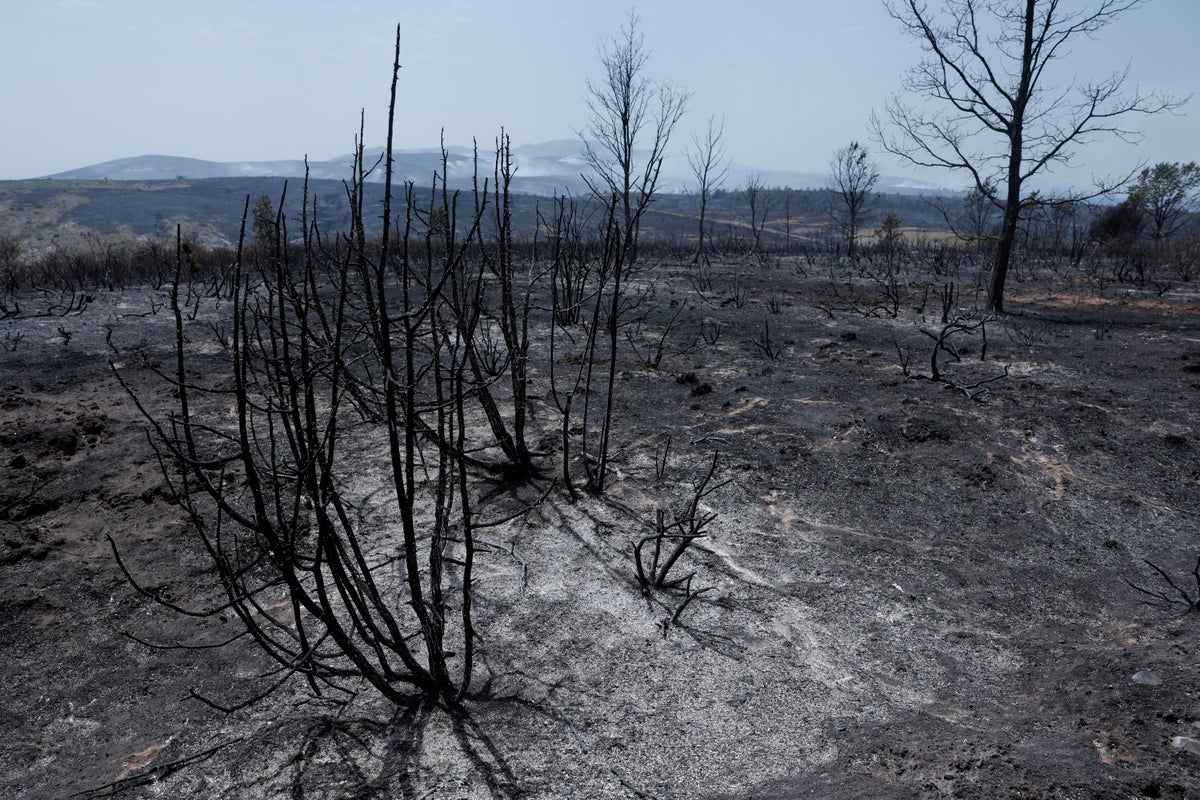
The impact of climate change on human health is now outstripping international action, prompting experts to demand that the crisis be officially declared a global health emergency.
According to the Lancet Countdown on Health and Climate Change, health risks from global warming escalated faster in the decade following the 2015 Paris Agreement than during the preceding decade.
Global average annual heat-related fatalities surged by almost 36 per cent after the Paris accord was established.
Extreme heat contributed to a record 710,000 fatalities in 2023, with researchers attributing over 70 per cent directly to man-made warming.
The paper involved over 140 experts across 30-plus nations, led by University College London (UCL) alongside the World Health Organisation (WHO).
Published on Wednesday before next month's UN Cop31 climate conference, the study monitors 54 indicators tracking how health interacts with heat, air pollution, disease transmission, energy infrastructure, adaptation, research financing, legislation, extreme weather and climate-related economic damage.
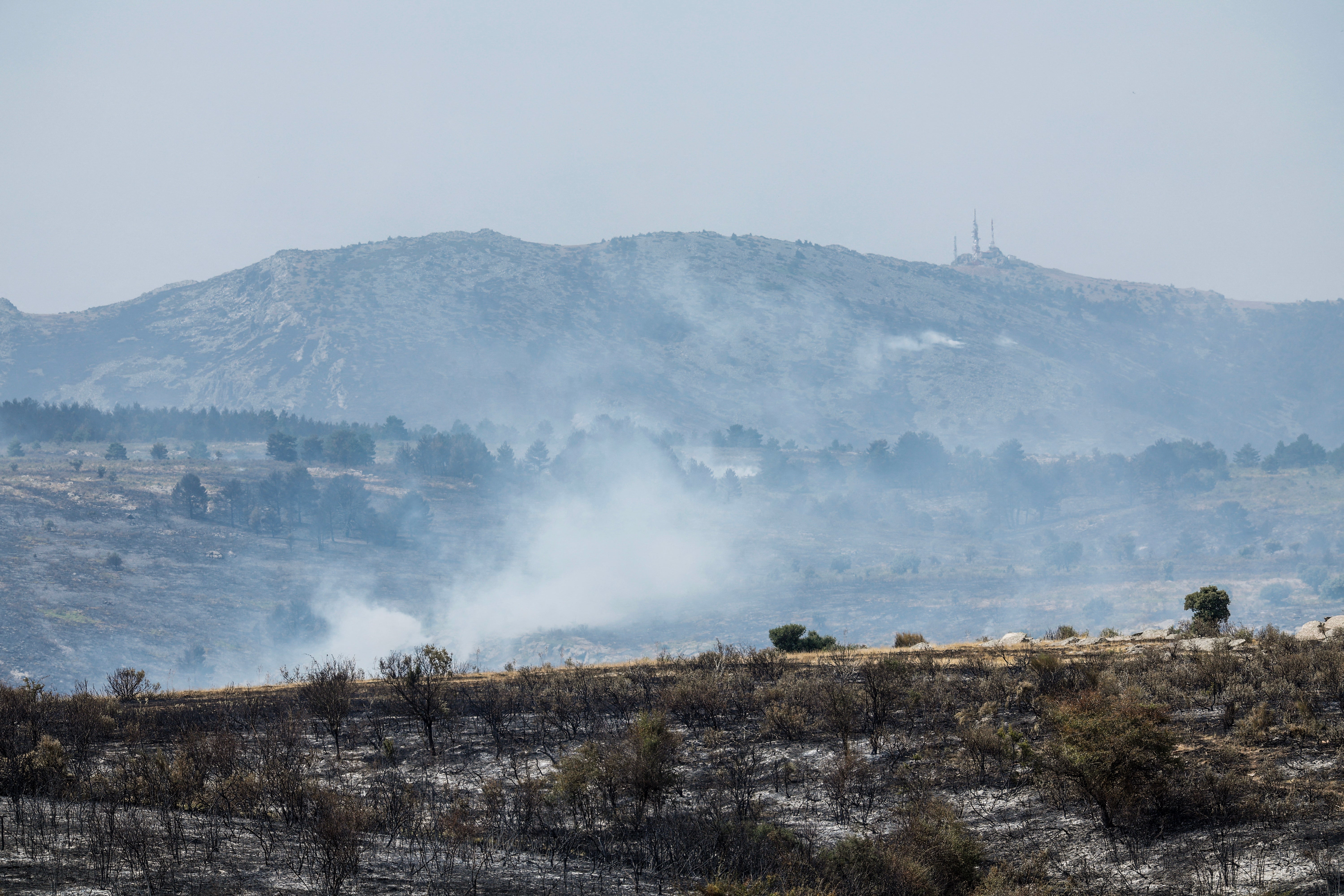
Severe drought affected nearly 52 per cent of global land for at least one month in 2025, the second-highest level recorded.
Fresh satellite analyses show that 80 per cent of Earth’s land has experienced major shifts in wet and dry groundwater storage since 2003, threatening sanitation and food security.
Clean energy funding hit a record in 2025 at nearly double fossil fuel investment, while reduced air pollution prevented roughly 323,000 annual deaths across 77 nations where fossil emissions fell post-2016.
However, scientists emphasised that fossil fuels still provide over 80 per cent of world energy, producing emissions driving the crisis.
This follows recent UN warnings that global temperatures will breach the crucial 1.5C pre-industrial threshold, accelerating severe weather risks and irreversible tipping points.
Researchers calculated that the 100 top oil and gas producers are set to surpass production limits compatible with 1.5C by 150 per cent by 2040, up from 138 per cent last year.
Reacting to the data, the report's authors called for human health to sit at the core of all climate choices, from cutting emissions to allocating funds.
Professor Marina Romanello, executive director of the Lancet Countdown, said: "A decade after the Paris Agreement, our findings are unambiguous: the health harms of climate change are growing faster than the world’s response to them, and in many cases even accelerating."
"Real progress has been made in clean energy, health system readiness, and health-protective regulation, all of which are already delivering health benefits to local communities. However, progress has been too slow, too small, and isn’t reaching those who need it most.
"That is why we are calling for climate change to be formally recognised as a global health emergency, with health placed at the centre of every climate decision."
She added: "These numbers point to a clear emergency. The rate of increase in many climate-related health threats is accelerating, while heat deaths linked to climate change have reached a record high, and the economic toll is battering vulnerable sectors and communities the hardest.
"The risks become even more profound when you consider how different hazards interact and compound. At the same time, drought is spreading, and the world is swinging to water extremes, some drying out, while others are flooding.
"This isn’t a gradual worsening; it’s a step change that must be recognised as the global health emergency it is."
KioskNews shows a cleaned-up reading view extracted from the publisher’s page — the original always lives on their site, not ours.